Are you confused about whether to buy a blender or a juicer? You’re not alone.
Both appliances seem similar, but they work in very different ways and give you different results. Choosing the right one can change the way you enjoy your fruits and veggies every day. You’ll discover the key differences between a blender and a juicer, so you can make the best choice for your health, taste, and lifestyle.
Keep reading to find out which one fits your needs perfectly!
Blender Basics
Blenders are common kitchen tools that help mix and crush food. They work by spinning blades very fast. This process breaks down food into smaller pieces or liquid. Blenders are useful for many recipes and drinks.
Understanding the basics of blenders helps choose the right one. Knowing their functions and types makes cooking easier and faster.
Main Functions
Blenders chop, mix, and puree food. They blend fruits and vegetables into smoothies. They can also crush ice for cold drinks. Some blenders heat food while blending. This helps make hot soups or sauces.
Common Uses
Blenders make smoothies, milkshakes, and purees. They help create sauces and dressings. Blenders also crush nuts and seeds. They can prepare baby food by softening hard items. Mixing pancake or cake batter is easy too.
Types Of Blenders
Countertop blenders are large and powerful. They handle big batches and tough ingredients. Personal blenders are small and portable. They are perfect for single servings. Immersion blenders are handheld. They blend food directly in pots or bowls.

Credit: www.youtube.com
Juicer Essentials
Juicers are kitchen tools designed to extract juice from fruits and vegetables. They separate the liquid from the pulp, offering a smooth and refreshing drink. Understanding juicer essentials helps you pick the right one for your needs.
Juicers come in various styles and serve different functions. Knowing their main features makes it easier to choose and use them properly.
Primary Purpose
The main job of a juicer is to pull juice out of fruits and veggies. It removes the solid parts like seeds and skin. This gives you pure, fresh juice without any pulp.
Popular Varieties
Common types include centrifugal, masticating, and triturating juicers. Centrifugal models use fast spinning blades. Masticating juicers crush and press slowly. Triturating juicers grind and squeeze for the most juice.
Typical Applications
Juicers are great for making fresh fruit and vegetable juice. Many use them for leafy greens like spinach or kale. Some also juice hard veggies such as carrots and beets. Juicing helps get nutrients and vitamins quickly.
Blender Vs Juicer: Key Differences
Blenders and juicers both help make healthy drinks, but they work very differently. Understanding their key differences can help you choose the right one. This section breaks down how blenders and juicers differ in processing, texture, and nutrients.
Processing Method
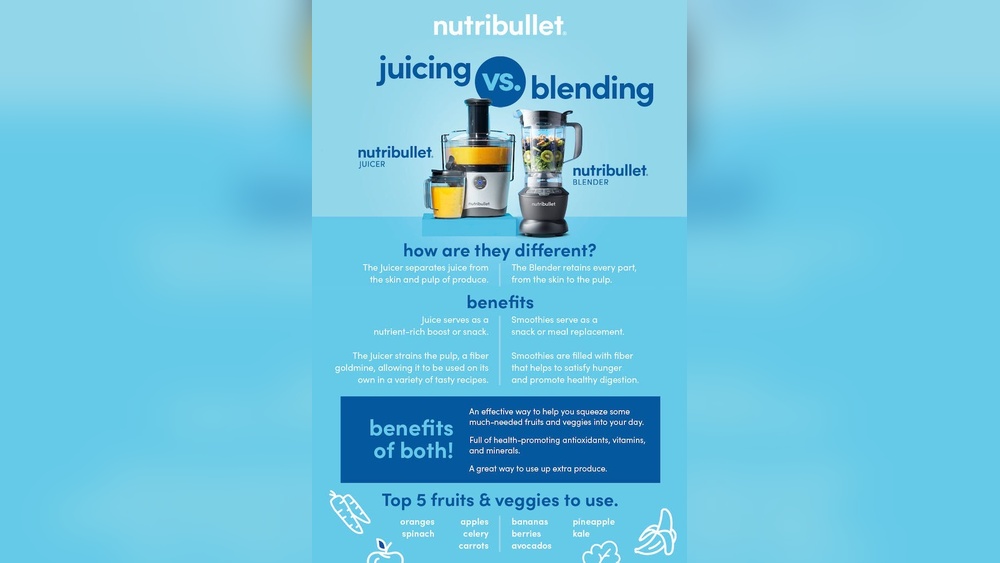
Blenders chop and crush whole fruits and vegetables. They blend everything, including pulp and fiber. Juicers extract liquid by pressing or spinning. They separate juice from pulp, leaving behind the solid parts. This means blenders keep all parts of the produce, while juicers only keep the juice.
Texture And Consistency
Blended drinks are thick and smooth. They contain fiber, making them feel fuller. Juiced drinks are thin and clear. They have no pulp or fiber. This makes juice easier to drink quickly but less filling than blended drinks.
Nutrient Retention
Blenders keep all fiber and nutrients because they use the whole fruit or vegetable. Fiber helps with digestion and slows sugar absorption. Juicers remove fiber but deliver concentrated vitamins and minerals. Some nutrients may oxidize faster in juice, reducing freshness over time.

Credit: ciarragadgets.com
Health Benefits Comparison
Understanding the health benefits of blenders and juicers helps you choose the right tool for your diet. Both offer unique advantages. This section compares their effects on fiber, vitamins, minerals, and digestion.
Fiber Content
Blenders keep all the fiber from fruits and vegetables. The fiber stays in the drink, which helps with fullness and blood sugar control. Juicers remove most of the fiber, leaving mostly liquid. This means juicing gives less fiber but a smoother drink.
Vitamin And Mineral Levels
Blended drinks have vitamins and minerals from the whole fruit or vegetable. Juicing can concentrate vitamins and minerals in the juice. Some nutrients may break down faster in juice due to exposure to air. Blending keeps more nutrients stable for longer.
Impact On Digestion
Fiber in blended drinks slows digestion and helps gut health. Juiced drinks are easier to digest because they lack fiber. Juicing may provide quick nutrient absorption but less gut support. Blending supports digestion better by keeping the fiber intact.
Choosing The Right Appliance
Choosing the right appliance between a blender and a juicer depends on your daily habits and needs. Each device offers unique benefits that suit different lifestyles. Picking the perfect one helps you enjoy healthy drinks and save time.
Lifestyle Considerations
Think about how often you will use the appliance. Blenders suit those who like smoothies and soups. Juicers work well for people who want fresh, clear juices. Consider your kitchen space too. Blenders usually take less room than juicers.
Recipe Preferences
Blenders keep all the fiber and pulp from fruits and vegetables. This makes thicker drinks like shakes and purees. Juicers separate juice from pulp, giving a smooth, thin drink. If you prefer clear juice, a juicer is best. For creamy, full-flavored drinks, pick a blender.
Budget And Maintenance
Blenders often cost less and are easier to clean. Juicers can be pricier and need more parts cleaned. Check how much time you can spend cleaning. A simple appliance saves effort and keeps you using it more.
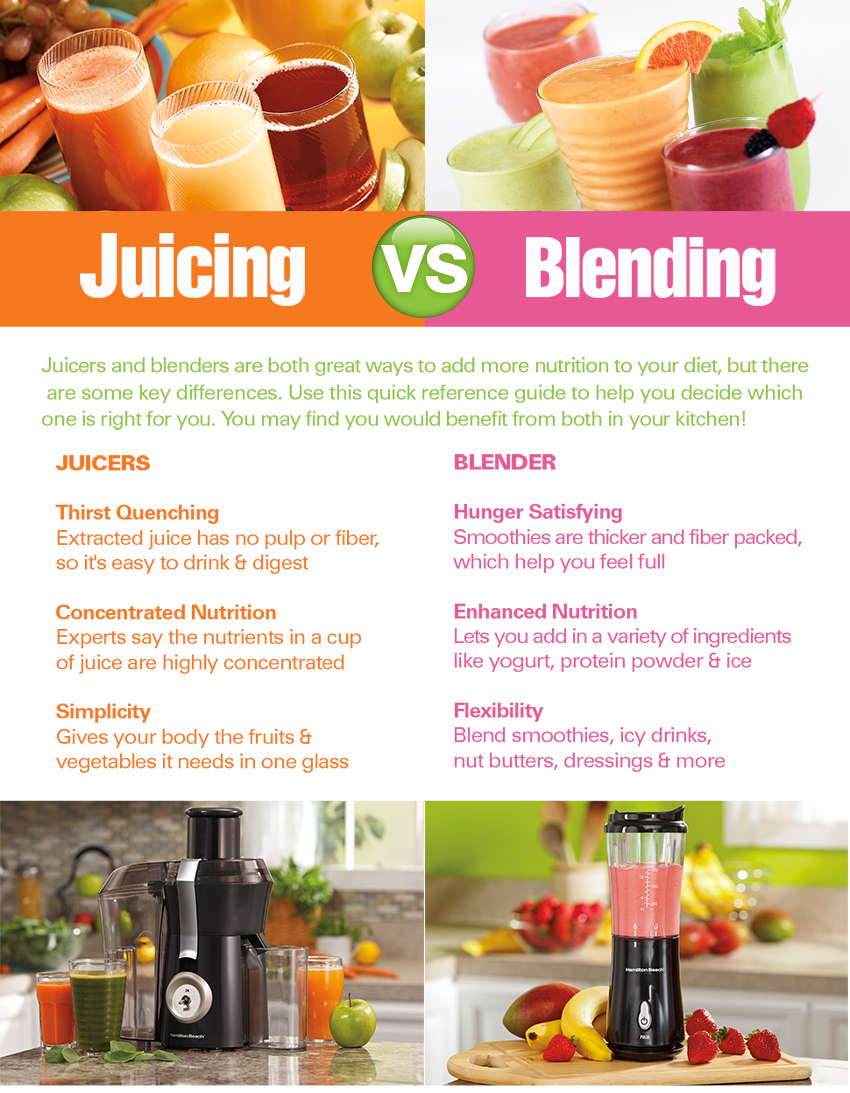
Credit: hamiltonbeach.ca
Tips For Effective Use
Using a blender or juicer correctly makes a big difference in your results. Simple tips help you get the best taste and nutrition. Careful use also keeps your appliance safe and lasting longer.
Below are key points for cleaning, getting more nutrients, and staying safe.
Cleaning And Care
Clean your blender or juicer right after use. Wash all removable parts with warm water and soap. Avoid soaking electrical parts in water. Use a brush to remove pulp or food stuck in small spaces. Dry parts fully before putting them back. Regular cleaning stops mold and bad smells.
Maximizing Nutrient Intake
Choose fresh fruits and vegetables for best nutrients. Cut ingredients into small pieces for easy blending or juicing. Drink your juice or smoothie soon after making it. Nutrients can break down if left too long. Keep the pulp from juicers; it has fiber and can be added to recipes.
Safety Precautions
Always check that the blender or juicer is off before assembling or cleaning. Do not put hands or utensils inside while it runs. Use the provided pusher tool for feeding ingredients. Keep the appliance on a flat, dry surface. Read the manual for specific warnings and instructions.
Frequently Asked Questions
What Is The Main Difference Between A Blender And A Juicer?
A blender crushes whole fruits and vegetables into a thick liquid, keeping all fiber. A juicer extracts only liquid, separating juice from pulp for a smoother drink.
Which Is Healthier: Juice From A Juicer Or Smoothie From A Blender?
Smoothies retain fiber and nutrients from whole produce, making them more filling. Juices provide concentrated vitamins but lack fiber, causing quicker sugar absorption.
Can A Blender Replace A Juicer In Daily Use?
A blender can make smoothies but won’t extract pure juice like a juicer. It’s versatile but won’t separate pulp from juice, so it cannot fully replace a juicer.
What Types Of Fruits Work Better In A Blender Or Juicer?
Soft fruits like berries work great in blenders, while juicers excel with hard fruits like apples and carrots. Leafy greens juice better than blend for smoother results.
Conclusion
Blenders and juicers serve different purposes in the kitchen. Blenders keep the whole fruit or vegetable, including fiber. Juicers extract only the liquid, leaving pulp behind. Choose a blender for smoothies and thick drinks. Pick a juicer for clear, fresh juice without solids.
Both tools help you enjoy healthy drinks in your own way. Understanding their differences helps you decide what fits your needs best. Simple and clear.