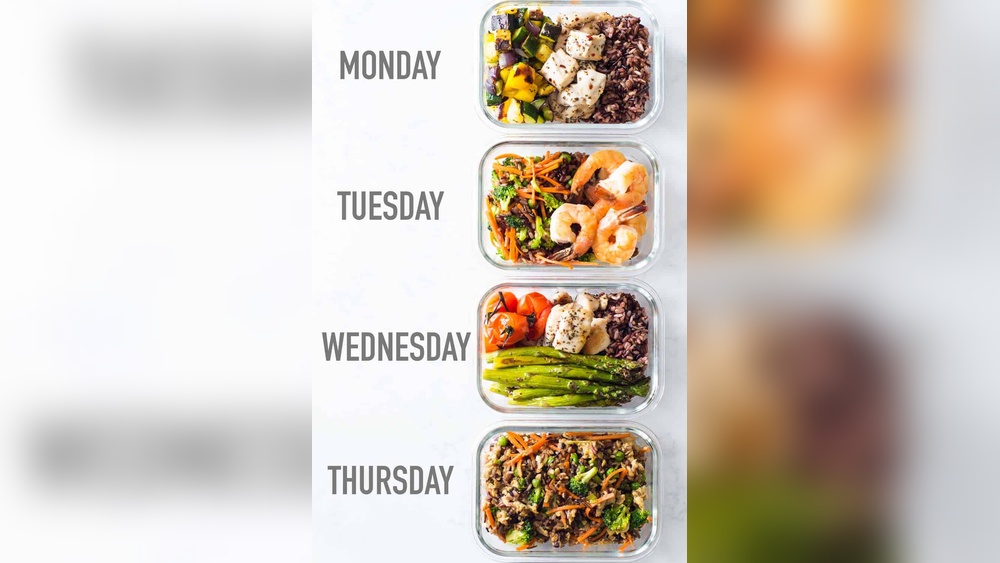
Are you tired of rushing through meals or grabbing unhealthy snacks on busy days? What if there was a simple way to save time, eat better, and reduce stress around food?
That’s where meal prep comes in. Understanding what meal prep is can change the way you approach your daily eating habits. Keep reading to discover how this straightforward habit can make your life easier and your meals more enjoyable.
Benefits Of Meal Prep
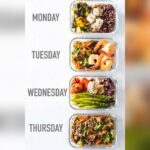
Meal prep offers many benefits that make daily life easier and healthier. It helps people save time and money, eat better, waste less food, and control portions. These benefits make meal prep a smart choice for busy individuals and families.
Saving Time And Money
Preparing meals ahead cuts down cooking time during the week. It avoids last-minute trips to the store or eating out. Buying ingredients in bulk saves money. Cooking in batches lowers energy use and reduces food costs.
Promoting Healthy Eating
Meal prep encourages using fresh, whole ingredients. You can plan balanced meals with vegetables, proteins, and grains. It reduces the chance of grabbing unhealthy snacks. Having ready meals helps maintain a consistent diet.
Reducing Food Waste
Planning meals lets you buy only what you need. It prevents food from spoiling in the fridge. Using leftovers creatively cuts waste further. Less waste means saving money and helping the environment.
Enhancing Portion Control
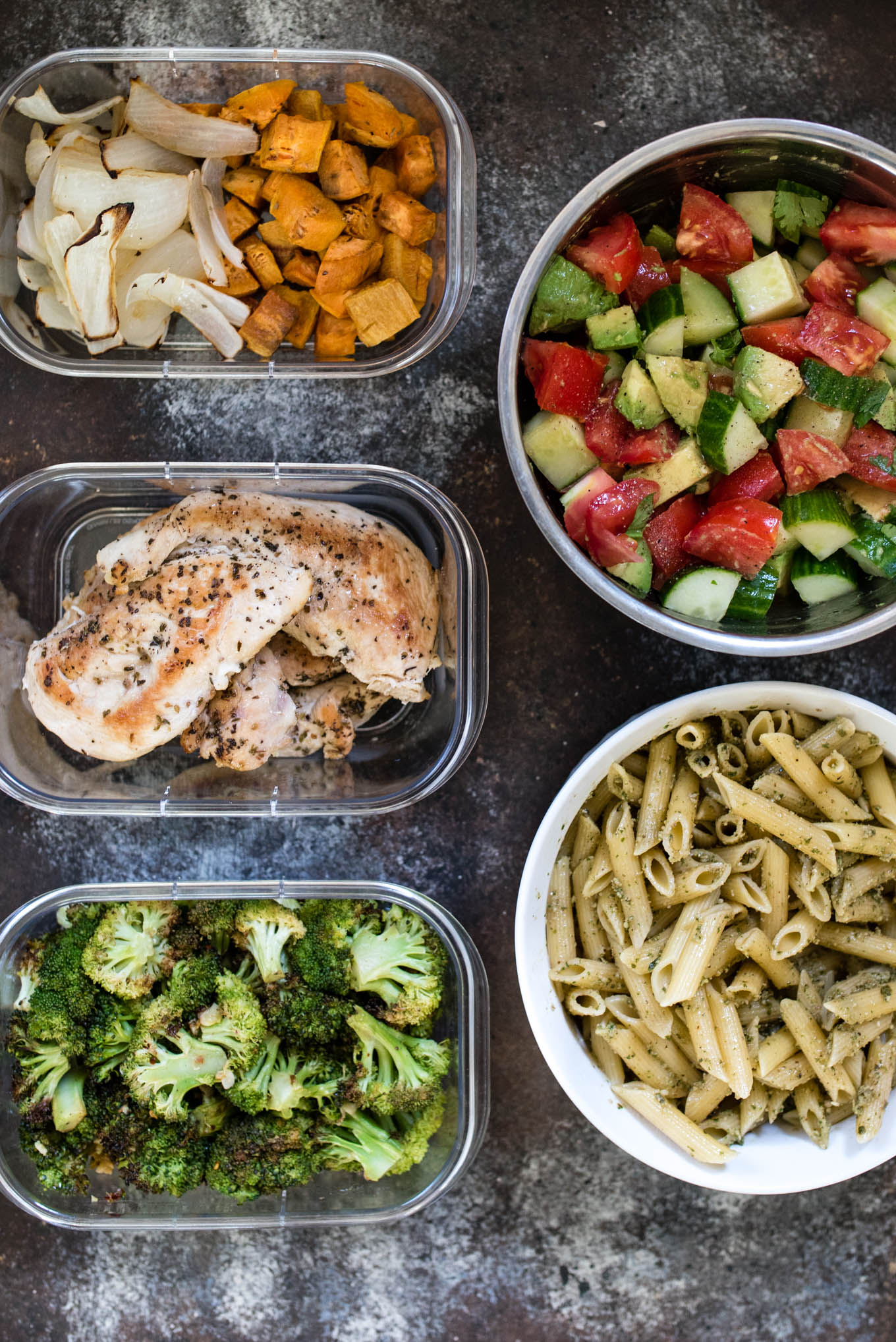
Pre-portioned meals help avoid overeating. Measuring food keeps calories in check. It supports weight management and better digestion. Portion control makes eating more mindful and satisfying.
Credit: www.nutritiouseats.com
Essential Tools And Containers
Meal prepping saves time and stress during busy days. Having the right tools and containers makes the process easier and more effective. Proper containers keep food fresh and help with portion control. Useful kitchen gadgets speed up prep and cooking. Knowing how to store food correctly extends its shelf life and taste.
Choosing The Right Containers
Select containers that fit your meal sizes and types. Look for airtight lids to prevent leaks and keep food fresh. Clear containers help see the contents quickly. Use BPA-free plastic or glass for safety and durability. Stackable containers save space in the fridge or freezer.
Must-have Kitchen Gadgets
A good set of knives speeds up chopping vegetables and meats. A cutting board keeps your workspace clean and safe. Measuring cups and spoons ensure recipe accuracy. A slow cooker or instant pot can make meal prep hands-free. Food scales help with portion control and nutrition tracking.
Storage Tips For Freshness
Cool cooked food before sealing containers to avoid moisture buildup. Label containers with dates to track freshness. Store raw and cooked foods separately to prevent cross-contamination. Use freezer-safe containers for long-term storage. Keep herbs fresh by wrapping them in damp paper towels before refrigerating.
Planning Your Meals
Planning your meals is the first step to successful meal prep. It saves time and reduces stress. A clear plan helps you shop smart and cook efficiently. It also ensures you eat healthy and enjoy your food.
Start by thinking about the week ahead. Consider your schedule, tastes, and goals. Plan meals that fit your lifestyle and keep you satisfied.
Creating A Weekly Menu
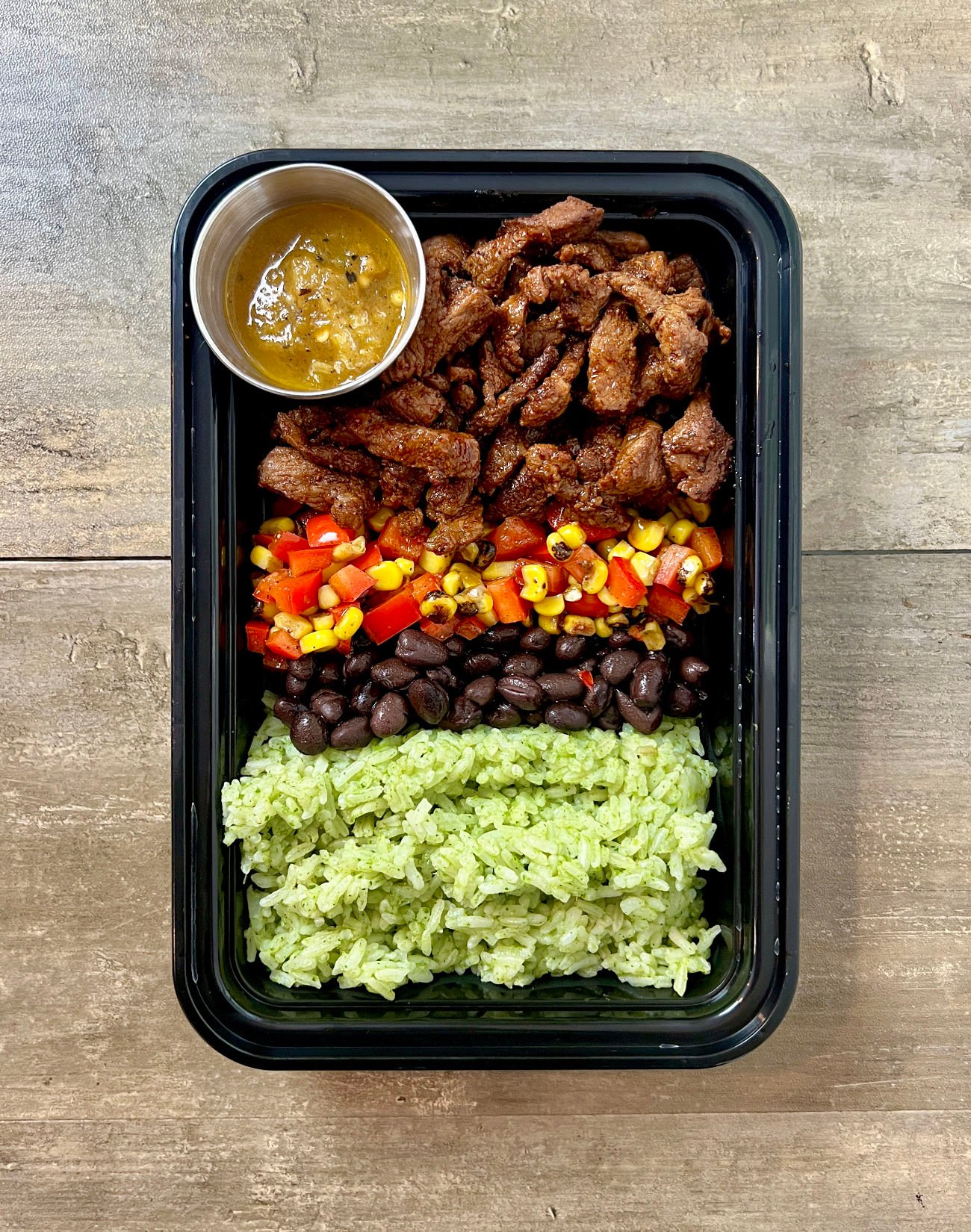
Write down meals for each day of the week. Include breakfast, lunch, dinner, and snacks. Choose simple recipes that you can make in batches. This helps avoid last-minute cooking and unhealthy choices.
Use a calendar or meal planner to organize your menu. This visual guide keeps you on track. Change the plan if needed to suit your mood or schedule.
Balancing Nutrition
Make sure each meal has proteins, carbs, and fats. Add plenty of vegetables and fruits for vitamins. This balance keeps your body strong and energized.
Try to include whole grains and lean proteins. Avoid too much sugar and processed foods. Proper nutrition supports your health and weight goals.
Incorporating Variety
Eat different foods to avoid boredom and nutrient gaps. Change up fruits, vegetables, and protein sources each week. Use herbs and spices to add flavor without calories.
Trying new recipes keeps meals exciting. Variety helps you get all necessary nutrients. It also makes meal prep more enjoyable.
Credit: mealprepmanual.com
Step-by-step Meal Prep Process
Meal prep saves time and reduces stress during busy days. It helps you eat healthy meals without daily cooking. Following a clear process makes meal prep easier and more effective. Here is a simple step-by-step guide.
Grocery Shopping Strategies
Plan your meals for the week first. Write a list of needed ingredients. Stick to your list to avoid buying extra items. Choose fresh vegetables, fruits, and proteins. Buy in bulk for items you use often. Check for sales and discounts. Avoid processed foods and snacks. Organize your list by store sections. This saves time while shopping.
Batch Cooking Techniques
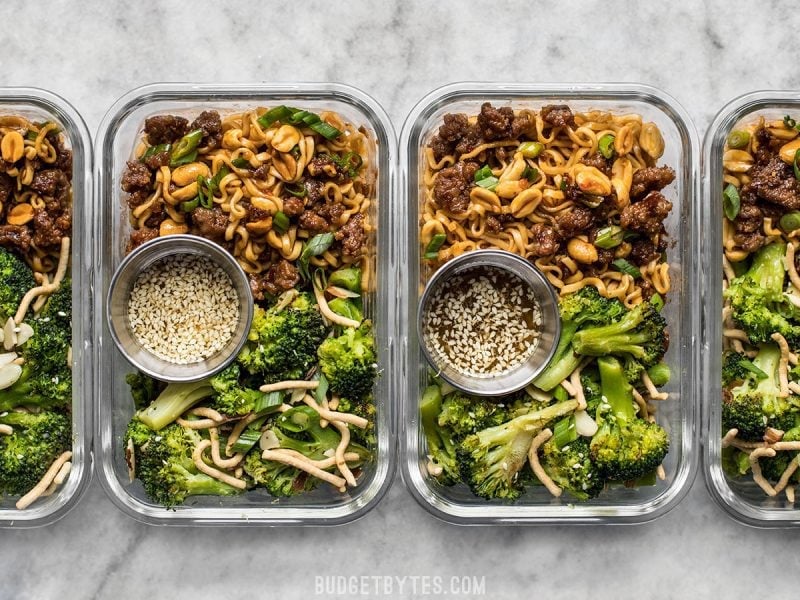
Cook large portions of food at once. Use big pans or pots for efficiency. Prepare staples like rice, pasta, or beans. Cook proteins such as chicken, beef, or tofu in bulk. Roast or steam several vegetables together. Divide cooked food into containers for each meal. Cool food before sealing containers. Label containers with dates to track freshness.
Safe Food Handling
Wash hands thoroughly before and after cooking. Clean all surfaces and utensils well. Store raw meat separately from other foods. Keep cooked meals in the fridge within two hours. Use airtight containers to keep food fresh. Reheat meals to at least 165°F (74°C). Do not refreeze thawed food. Discard any food left out too long.
Easy And Healthy Meal Ideas
Easy and healthy meal ideas make meal prep simple and enjoyable. They save time and help keep your diet balanced. Preparing meals ahead means less stress and fewer unhealthy choices.
Choosing nutritious ingredients boosts energy and supports overall health. Planning meals in advance helps control portions and avoid food waste. Below are some tasty options for every meal and snack.
Breakfast Options
Start with overnight oats mixed with fruits and nuts. Hard-boiled eggs and whole grain toast offer protein and fiber. Smoothies with spinach, banana, and yogurt are quick and filling. Prepare breakfast muffins with vegetables and cheese for variety.
Lunch And Dinner Recipes
Grilled chicken with quinoa and steamed vegetables makes a balanced meal. Stir-fried tofu with mixed veggies and brown rice is healthy and tasty. Chili with beans and lean ground turkey provides protein and fiber. Roasted salmon with sweet potatoes and broccoli supports brain health.
Snack Preparations
Cut vegetables like carrots and cucumbers for easy dipping. Greek yogurt with honey and berries satisfies sweet cravings. Nuts and seeds offer healthy fats and keep hunger away. Homemade energy balls with oats, peanut butter, and dates make a great treat.
Tips For Staying Motivated
Staying motivated with meal prep can be a challenge. It takes effort to keep up the habit. Small steps help to build a lasting routine. Here are some simple tips to stay on track and enjoy meal prep every week.
Setting Realistic Goals
Start with easy goals. Plan meals for just two or three days. Choose recipes with few ingredients. Avoid cooking too much at once. Realistic goals stop you from feeling tired or overwhelmed. Gradually add more meals as you gain confidence.
Tracking Progress
Write down your meal prep days. Note how much time you spend cooking. Record your favorite meals and those you don’t like. Seeing progress motivates you to continue. Small wins build a positive habit. Use a simple journal or a phone app.
Adapting To Lifestyle Changes
Life can change fast. Work, family, or plans can affect your routine. Be flexible with your meal prep. Adjust the number of meals or cooking days. Try quick recipes if you are busy. Changing your plan keeps meal prep doable and fun.
Credit: www.budgetbytes.com
Frequently Asked Questions
What Is Meal Prep And Why Is It Important?
Meal prep means preparing meals in advance to save time and ensure healthy eating. It helps reduce stress, avoid unhealthy choices, and maintain portion control. Meal prepping supports weight management and saves money by minimizing food waste.
How Can Meal Prep Save Time During The Week?
Meal prepping batches meals at once, cutting daily cooking time. It allows quick reheating or assembling, making busy weekdays easier. Planning ahead prevents last-minute meal decisions, streamlining your daily routine and freeing up time for other activities.
What Are The Best Foods For Meal Prepping?
Ideal meal prep foods are easy to store and reheat. Examples include grains, lean proteins, roasted vegetables, and salads. Choose nutrient-dense, versatile ingredients that stay fresh for days. Avoid foods that spoil quickly or lose texture when reheated.
How Does Meal Prep Support Healthy Eating Habits?
Meal prepping controls portions and ingredients, reducing overeating and unhealthy snacks. It encourages balanced meals with proper nutrients. Planning meals helps avoid processed foods and fast food, promoting consistent, mindful eating habits and better nutrition.
Conclusion
Meal prep saves time and reduces stress during busy days. It helps control portions and supports healthy eating habits. Preparing meals ahead can cut food waste and save money. Simple planning makes cooking easier and faster. Anyone can start with basic recipes and grow skills over time.
Meal prep brings more balance to daily life. Try it for a week and notice the benefits yourself.