Have you ever wished you could cook restaurant-quality meals right at home, with perfect flavor and texture every time? That’s exactly what sous vide cooking can help you achieve.
Imagine sealing your food in a bag, cooking it slowly in warm water, and ending up with tender, juicy dishes that taste amazing. Curious how this method works and why it’s becoming so popular among home cooks and chefs alike?
Keep reading, and you’ll discover the simple secrets behind sous vide cooking—and how it can transform your meals for good.

Credit: www.omahasteaks.com
Sous Vide Basics
Sous vide cooking is a method that uses precise temperature control. It cooks food slowly and evenly. This technique helps keep food tender and juicy. It also enhances flavors in a natural way.
Many chefs and home cooks enjoy sous vide for its simplicity and consistency. The basics are easy to understand and apply.
How Sous Vide Works
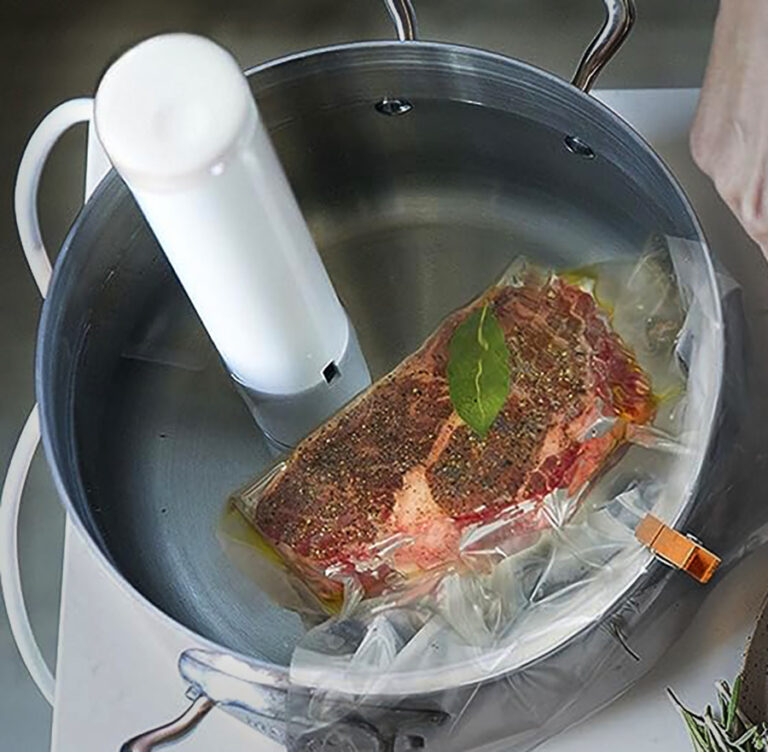
Sous vide means “under vacuum” in French. Food is sealed in a plastic bag without air. The bag is placed in a water bath at a set temperature. The water cooks the food gently and evenly. This slow cooking keeps food from overcooking. It locks in moisture and flavor.
Essential Equipment
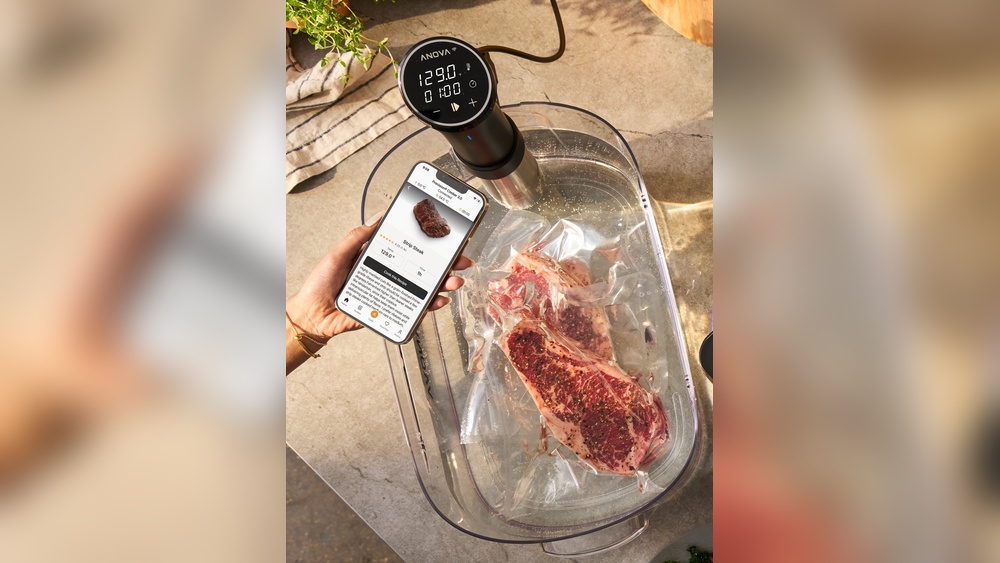
You need a few key tools to start sous vide cooking. A sous vide immersion circulator heats and circulates water. A heat-safe container holds the water. Vacuum-seal bags or ziplock bags keep food sealed. A reliable thermometer helps check temperature. These tools work together for perfect results.
Common Ingredients
Sous vide works well with many foods. Meat like beef, chicken, and pork cook evenly. Fish and seafood stay tender and moist. Vegetables keep their texture and color. Herbs and spices add flavor during cooking. Simple ingredients create delicious meals with this method.
Preparing For Sous Vide
Preparing for sous vide cooking is a key step to get the best results. It involves choosing the right ingredients and handling them properly. Careful preparation helps food cook evenly and taste great.
Selecting The Right Cut
Choose cuts that benefit from slow, even cooking. Tough cuts like brisket or pork shoulder become tender with sous vide. Lean cuts like chicken breast stay juicy and soft. Avoid very thin pieces that cook too fast. Thickness affects cooking time and texture.
Seasoning And Marinating
Simple seasoning works well for sous vide. Salt and pepper enhance natural flavors. Herbs and garlic add mild aroma. Marinate meats to boost taste and tenderness. Use acidic ingredients like lemon or vinegar carefully. They can change texture if left too long.
Packaging Techniques
Seal food tightly to prevent water entry. Vacuum sealing is best for sous vide. It removes air and keeps flavors inside. Use sturdy bags made for cooking. Remove as much air as possible to ensure even cooking. Double bag fragile items for extra protection.
Cooking With Precision
Sous vide cooking means cooking food with exact temperature control. This method uses water heated to a precise degree to cook food evenly.
Precision helps avoid overcooking or undercooking. It keeps food moist and full of flavor. Every bite tastes just right.
Temperature Settings
Each type of food needs a specific temperature. For example, steak cooks well at 130°F for medium rare. Chicken needs a higher temperature, around 165°F, to be safe.
Setting the right temperature is key. It controls how tender or firm your food turns out. Small changes make a big difference in texture.
Cooking Times For Different Foods
Cooking time depends on the food type and thickness. Thin fish fillets may take 30 minutes. Thick cuts of meat might need 2 to 4 hours.
Longer cooking times help tougher cuts become tender. Shorter times keep delicate foods soft. Timing is part of the precision process.
Safety Tips
Always use fresh, high-quality food to reduce risks. Seal food properly in vacuum bags to avoid water contact. Keep water temperature steady to kill harmful bacteria.
Clean equipment after each use. Store cooked food safely and use it within recommended times. Safe handling ensures tasty and healthy results.
Credit: pneumasolutions.com
Finishing Touches
Finishing touches in sous vide cooking bring out the best in your dish. After slow and even cooking, the final steps add flavor, texture, and appeal. These steps make your meal more enjoyable and visually attractive.
Searing And Browning
Searing adds a crisp, flavorful crust to sous vide food. Use a hot pan, grill, or torch to brown the surface quickly. This step boosts aroma and taste without overcooking. A quick sear keeps the inside tender and juicy.
Plating And Presentation
Presentation matters as much as taste. Arrange food neatly on the plate for a clean look. Use fresh herbs, sauces, or colorful sides to brighten the dish. Simple plating makes the meal inviting and appetizing.
Storing And Reheating
Store sous vide food properly to keep its quality. Cool the food quickly and keep it in airtight containers. Reheat gently using sous vide or low heat to avoid drying out. Proper care preserves flavor and texture for later meals.
Benefits Of Sous Vide
Sous vide cooking offers several key benefits that improve your meals. This method cooks food slowly in a water bath at a precise temperature. It brings out the best in flavor, texture, and nutrition. Here are some main advantages of sous vide cooking.
Flavor Enhancement
Sous vide locks in all natural juices and flavors. Food cooks evenly, so taste spreads throughout. No flavor escapes during cooking. This method makes dishes more intense and delicious. Herbs and spices infuse deeply into the food.
Texture Improvement
Food cooks gently and evenly in sous vide. This prevents overcooking or drying out. Meat stays tender and juicy, not tough. Vegetables keep a perfect bite, not mushy. Consistent texture enhances every bite you take.
Nutrient Retention
Cooking at low temperatures helps keep vitamins and minerals. Nutrients don’t leach out into water or air. Food stays more nutritious than with traditional methods. Your meals remain healthy and full of good energy.

Credit: anovaculinary.com
Troubleshooting Tips
Troubleshooting sous vide cooking helps you get perfect results every time. Small mistakes can change the taste and texture of your food. Knowing how to fix common problems saves time and avoids waste. This guide covers common mistakes, how to adjust time and temperature, and solving equipment issues.
Common Mistakes
One common mistake is sealing the bag poorly. Air inside the bag causes uneven cooking. Use a vacuum sealer or remove air by hand carefully. Another error is overcrowding the water bath. Food needs space to cook evenly. Cook in batches if needed. Lastly, not preheating the water affects cooking time. Always wait until water reaches the right temperature before adding food.
Adjusting Time And Temperature
Different foods need different times and temperatures. Thicker cuts require longer cooking. Tough meats need higher temperatures or longer time to become tender. Seafood cooks faster and at lower temperatures to stay soft. Use a guide or recipe as a starting point. Adjust based on your texture preference. Check food early to avoid overcooking. Experiment with small changes for best results.
Handling Equipment Issues
Sometimes the sous vide device stops heating or circulating water. Check if it is plugged in and turned on. Clean the device regularly to avoid clogs or buildup. Use a container with a lid to keep water from evaporating. If the device does not reach the right temperature, test it with a thermometer. Replace or repair faulty equipment to keep cooking safe and consistent.
Sous Vide Recipes To Try
Sous vide cooking brings precision and ease to your kitchen. Recipes using this method deliver consistent, delicious results. You can try simple dishes or explore complex flavors. Here are some popular sous vide recipes to start with.
Steak Perfection
Sous vide cooks steak evenly from edge to edge. Set the water bath to your preferred doneness. After cooking, sear quickly on a hot pan for a crust. Enjoy juicy, tender steak every time. This method removes guesswork and overcooking risks.
Tender Chicken Breast
Chicken breast can dry out easily with normal cooking. Sous vide keeps it moist and soft. Cook at a low temperature for an hour or more. The result is juicy chicken with perfect texture. Add herbs or spices before sealing for extra flavor.
Vegetable Delights
Vegetables retain color and nutrients in sous vide. Carrots, asparagus, and potatoes cook evenly and stay crisp. Use a precise temperature to avoid mushiness. Season with salt, pepper, or garlic. This method enhances natural vegetable taste.
Decadent Desserts
Sous vide is great for creamy desserts like custards. It cooks gently to avoid curdling or cracking. Try making crème brûlée or cheesecake with this technique. The texture is smooth and rich. Perfect for impressing guests or treating yourself.
Frequently Asked Questions
What Is Sous Vide Cooking Method?
Sous vide is a cooking technique where food is vacuum-sealed in a bag. It is then cooked in a water bath at a precise, consistent temperature for an extended time. This method ensures even cooking and retains moisture and flavor.
How Does Sous Vide Improve Food Taste?
Sous vide cooking enhances flavor by cooking food evenly at controlled temperatures. It preserves natural juices and textures. The slow cooking process allows flavors to develop deeply, creating tender and perfectly cooked dishes every time.
Is Sous Vide Cooking Safe To Eat?
Yes, sous vide cooking is safe when done correctly. Cooking at precise temperatures kills harmful bacteria. Vacuum sealing prevents contamination. Always follow recommended temperature and time guidelines for food safety.
What Equipment Do I Need For Sous Vide?
You need a sous vide immersion circulator, a heat-safe container, and vacuum-seal bags. The circulator heats water to precise temperatures. Vacuum-sealing keeps food airtight for even cooking and flavor retention.
Conclusion
Sous vide cooking lets you cook food evenly and keep it juicy. It uses low, steady heat in a water bath. This method helps flavors stay strong and textures stay tender. You can cook meat, fish, vegetables, and more with ease.
It saves time and reduces the risk of overcooking. Many home cooks enjoy its simple, precise results. Try sous vide to make meals that taste fresh and consistent every time. Cooking becomes less stressful and more fun this way. Give it a chance and see the difference yourself.