Have you ever wondered how to make your snacks last longer without losing their flavor? Or maybe you want to create healthy, homemade treats that don’t rely on preservatives.
If so, a food dehydrator could be the perfect tool for you. Whether you’re a busy parent, an outdoor enthusiast, or someone who loves experimenting in the kitchen, understanding who needs a food dehydrator can change the way you approach food storage and preparation.
Keep reading to discover how this simple device can transform your eating habits and save you money.
Benefits Of Food Dehydrators
Food dehydrators offer many benefits for anyone who enjoys healthy eating and saving resources. They remove moisture from food, helping to keep it fresh longer. This process keeps most of the food’s nutrients and flavor intact. Using a dehydrator also helps reduce waste and saves money by making homemade snacks. These machines are simple to use and fit into many lifestyles.
Preserving Nutrients And Flavor
Dehydrating food keeps vitamins and minerals mostly unchanged. The gentle drying process avoids high heat that can destroy nutrients. It also locks in the natural taste and aroma of fruits, vegetables, and meats. Unlike cooking, drying does not add extra oil or salt. This means the food stays healthy and flavorful for much longer.
Reducing Food Waste
Food dehydrators help stop food from spoiling quickly. You can dry fruits that are near going bad instead of throwing them out. Leftover vegetables and herbs also dry well and last for months. This saves money and reduces the amount of waste sent to landfills. It is a smart way to use food fully and cut down on waste.
Saving Money With Homemade Snacks
Buying dried snacks can be expensive. Making your own saves money and lets you control ingredients. You can create healthy fruit chips, jerky, and vegetable crisps at home. These snacks are perfect for travel, school, or work. Preparing snacks yourself also means fewer preservatives and less sugar.

Credit: www.amazon.com
Types Of Food Dehydrators
Food dehydrators come in different types. Each type works in its own way to dry food. Choosing the right one depends on your needs and space. Understanding these types helps you find the best fit for your kitchen or business.
Stackable Tray Models
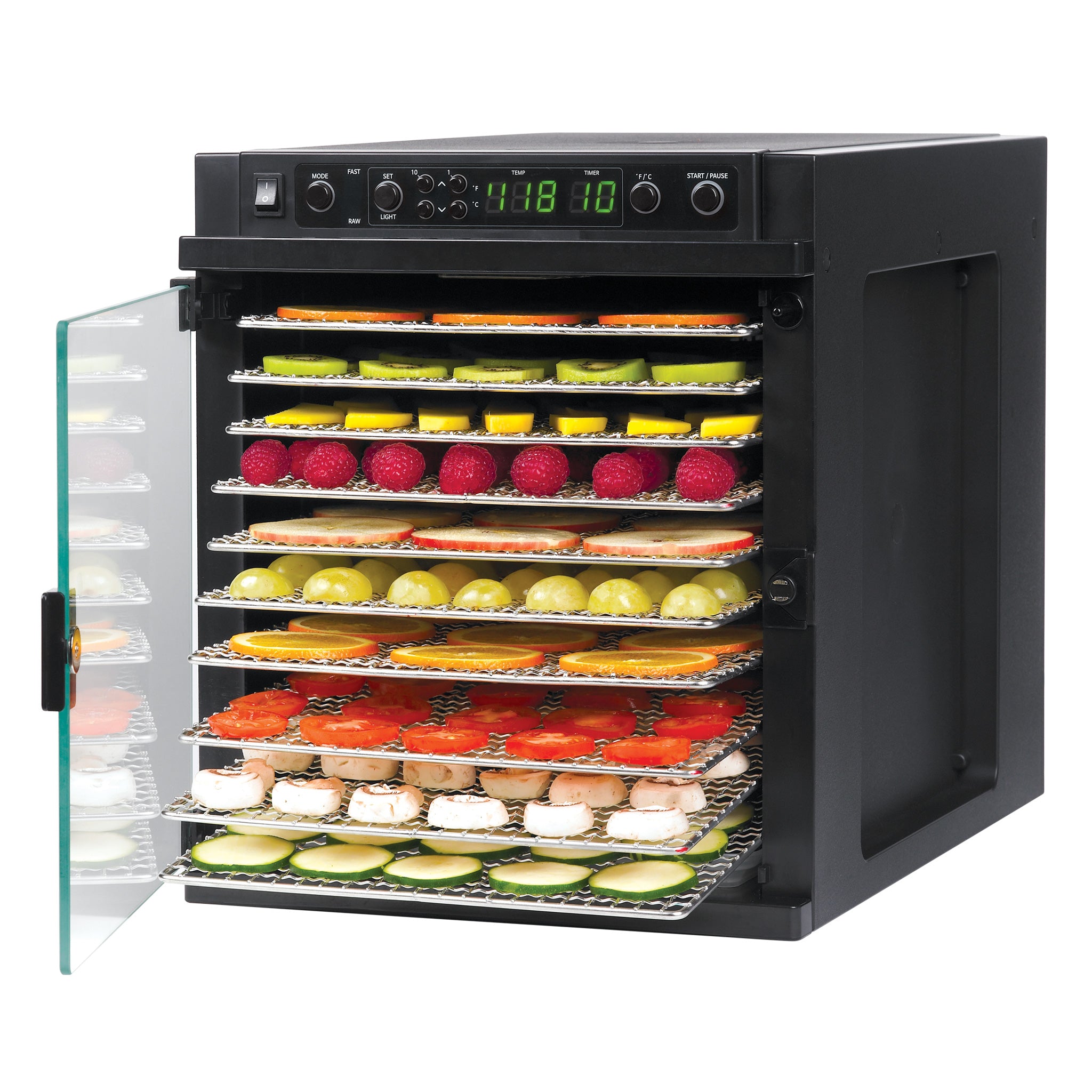
Stackable tray models have several trays stacked on top of each other. Air flows through each tray to dry food evenly. These models save space and allow drying many items at once. They are easy to clean and store. Good for home use and small batches.
Vertical Airflow Dehydrators
Vertical airflow dehydrators push air from the bottom up. This method dries food faster and more evenly. Trays do not need rotation since air moves vertically. They often have a larger capacity. Ideal for those who dry food often or in larger amounts.
Commercial Vs. Home Use
Commercial dehydrators are built for heavy use and large quantities. They are larger, stronger, and cost more. Home-use dehydrators are smaller and designed for occasional drying. They are affordable and fit on kitchen counters. Choose commercial models for business, home models for casual use.
Who Should Use A Food Dehydrator
A food dehydrator fits many lifestyles and needs. It helps preserve food by removing moisture. This process keeps food fresh for longer. Many people find it useful in daily life. It supports healthy eating, saves money, and reduces waste. Here are some groups who benefit most from a food dehydrator.
Health Enthusiasts And Fitness Fans
Dehydrators make healthy snacks easy. They dry fruits, vegetables, and lean meats. These snacks keep nutrients and taste. No added sugars or preservatives needed. Perfect for people who want clean eating. Great for protein chips and fruit leathers. A good way to fuel workouts and stay fit.
Gardeners And Home Growers
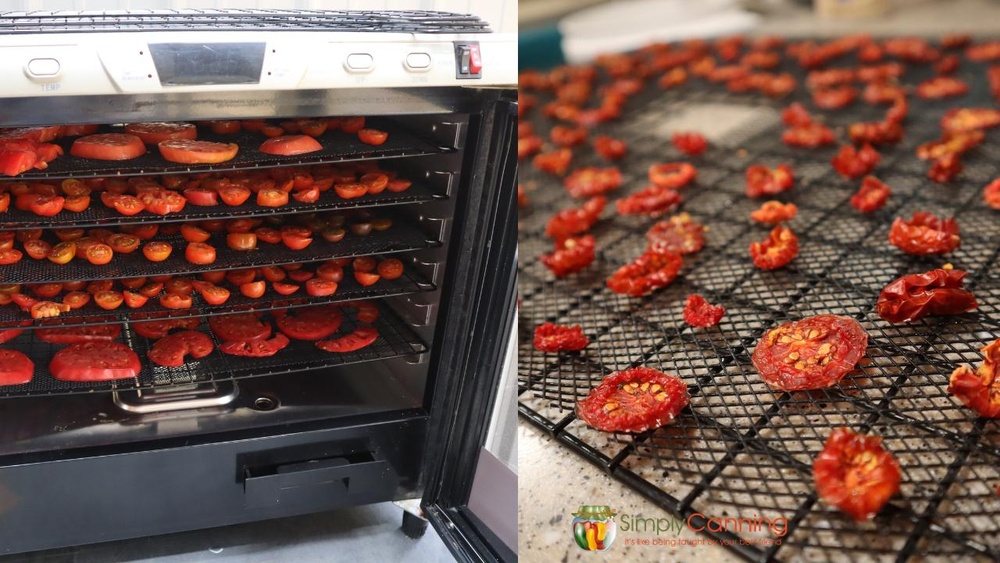
Gardeners harvest lots of fresh produce. A dehydrator helps store extra fruits and veggies. Avoids waste during peak harvest time. Keeps the garden’s bounty for months. Easy to dry herbs, tomatoes, and peppers. Saves money by reducing store purchases. Keeps the garden’s flavors all year.
Outdoor Adventurers And Campers
Dry food is light and lasts long. Ideal for hiking, camping, and backpacking. Dehydrated meals save space in backpacks. They need less weight and no refrigeration. Easy to rehydrate with water. Perfect for quick, nutritious meals outdoors. A must-have for anyone who loves nature trips.
Busy Families And Meal Preppers
Dehydrators help plan meals ahead. Dry fruits and vegetables in bulk. Store snacks ready for busy days. Reduces cooking time during the week. Helps families eat healthy without stress. Great for lunchboxes and quick snacks. Keeps food fresh and handy anytime.

Credit: cosori.com
Common Foods To Dehydrate
Dehydrating food helps preserve it for a long time. It removes moisture, stopping bacteria and mold growth. Many foods dry well and keep their flavor. This makes a food dehydrator a useful tool for many kitchens.
Common foods to dehydrate include fruits, vegetables, meats, herbs, and spices. Each type has unique benefits and uses after drying. Let’s explore some popular options.
Fruits And Vegetables
Fruits like apples, bananas, and berries dry nicely. They become sweet, chewy snacks. Vegetables such as carrots, tomatoes, and peppers also dry well. They can be used in soups or as crunchy snacks. Drying helps keep nutrients and flavor without added sugar or salt.
Meats And Jerky
Meat dehydration makes jerky, a high-protein snack. Beef, turkey, and chicken are common choices. The drying process removes water, making meat last longer. Jerky is great for camping, hiking, or quick snacks. It stays tasty and easy to carry.
Herbs And Spices
Drying herbs like basil, oregano, and thyme preserves their aroma. They keep flavor longer than fresh herbs. Spices can also be dried to enhance taste. Dried herbs and spices are easy to store and use in cooking year-round.
Tips For Choosing The Right Dehydrator
Choosing the right food dehydrator makes a big difference in your drying experience. The right model fits your needs and kitchen space well. It also saves time and energy. Consider a few key tips before buying. These help find a dehydrator that works best for you.
Capacity And Size Considerations
Think about how much food you want to dry at once. Large batches need bigger trays or more layers. Small kitchens benefit from compact models. Too big a machine takes up too much space. Too small means more drying sessions. Match the size to your usual drying needs.
Temperature Control Features
Different foods dry best at different temperatures. Adjustable controls let you set the perfect heat. Precise temperature helps keep nutrients and flavor. Some foods need low heat; others need higher heat. A good dehydrator offers a wide temperature range for flexibility.
Ease Of Cleaning And Maintenance
Drying food can leave sticky residue and crumbs. Choose a model with trays that are easy to remove. Dishwasher-safe trays save effort and time. Smooth surfaces help wipe down the machine quickly. Regular cleaning keeps the dehydrator working well and lasting longer.
Credit: tribest.com
Dehydrating Safety And Storage
Dehydrating food is a great way to preserve fruits, vegetables, and meats. Safe drying and proper storage keep food fresh and tasty. This section explains key steps to ensure dehydrated foods stay good for a long time.
Proper Drying Times
Dry foods completely to stop bacteria growth. Each food type has a specific drying time. Check recipes or manuals for exact times. Under-dried food can spoil quickly. Over-drying wastes energy and affects taste.
Preventing Mold And Spoilage
Dry food in a clean, well-ventilated area. Use fresh, high-quality ingredients to avoid spoilage. After drying, cool food before storage. Moisture left in the food invites mold. Test dryness by bending or breaking the food. No visible moisture means it’s ready.
Best Practices For Storing Dried Foods
Store dried food in airtight containers to keep moisture out. Use glass jars, vacuum bags, or plastic containers with tight lids. Keep containers in a cool, dark place. Avoid heat, light, and humidity to extend shelf life. Label containers with drying date for easy tracking.
Frequently Asked Questions
Who Benefits Most From Using A Food Dehydrator?
People who want to preserve fruits, vegetables, and meats benefit most. It suits campers, gardeners, and health-conscious individuals. Dehydrators save money by reducing food waste and allow for healthy, homemade snacks. They are ideal for anyone seeking long-lasting, nutrient-rich food storage.
Can A Food Dehydrator Help With Meal Prepping?
Yes, a food dehydrator helps with meal prepping by preserving ingredients. It allows bulk drying of fruits, vegetables, and herbs. This speeds up cooking and reduces waste. Dehydrated foods are easy to store and rehydrate, making meal preparation faster and more efficient.
Is A Food Dehydrator Good For Homemade Snacks?
Absolutely, a food dehydrator is perfect for homemade snacks. It dries fruits, nuts, and jerky without added preservatives. This creates healthy, tasty, and portable snacks. It is great for controlling ingredients and avoiding artificial additives often found in store-bought snacks.
Who Should Avoid Using A Food Dehydrator?
People with limited kitchen space or those who rarely cook may avoid it. Also, if you prefer fresh foods only, a dehydrator might not be necessary. It requires time and electricity, so casual users might find it less practical. Consider your lifestyle before purchasing.
Conclusion
A food dehydrator suits anyone who loves healthy snacks. It saves money by preserving fruits and vegetables. It helps reduce food waste at home. Busy people enjoy quick, homemade dried foods. Outdoor lovers find it perfect for camping trips. Small kitchens benefit from its compact size.
Using one is simple and safe. Choosing a food dehydrator can improve your daily eating habits. Think about your lifestyle and needs before buying. It could become a useful tool in your kitchen.