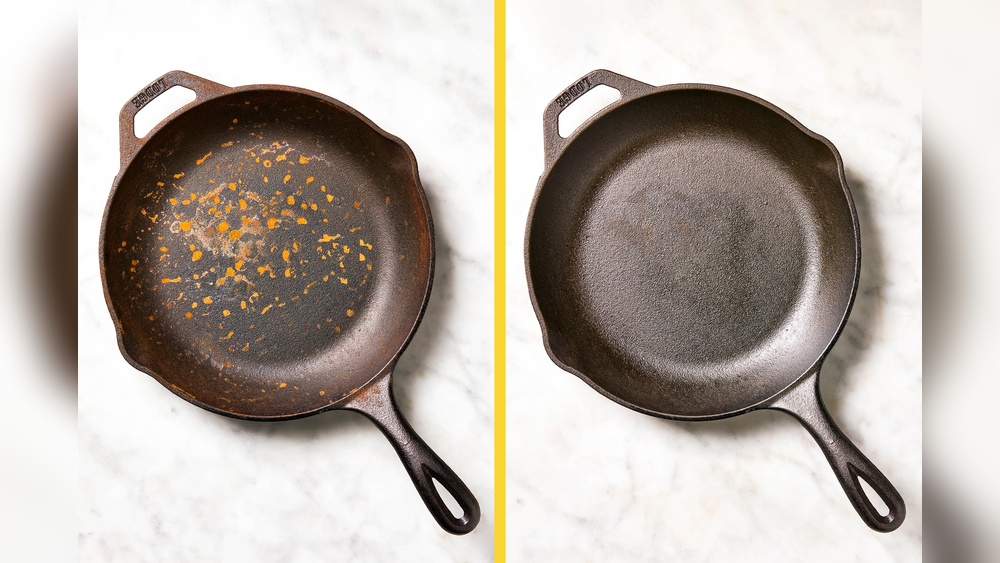
Have you ever noticed those pesky orange spots creeping onto your cast iron cookware? It’s frustrating to see something you rely on for cooking start to rust.
But why does cast iron rust in the first place? Understanding this can help you protect your favorite pans and keep them in great shape for years. You’ll discover the simple reasons behind cast iron rusting and easy steps you can take to stop it before it starts.
Keep reading—you’ll be surprised at how little changes can make a big difference.
What Causes Cast Iron To Rust
Cast iron is strong and lasts a long time. Still, it can rust if not cared for properly. Rust happens because of a chemical reaction that changes the metal. Understanding what causes rust helps protect your cast iron items.
Rust forms when water and oxygen touch the cast iron surface. This reaction creates iron oxide, which looks like reddish-brown flakes. Rust weakens the metal and can damage your cookware or tools.
Exposure To Moisture
Water is the main cause of rust on cast iron. Even small amounts of moisture can start rusting. Leaving cast iron wet or in a damp place speeds up rust formation. Drying cast iron well after use is very important.
Oxygen Reaction
Oxygen in the air reacts with iron in the metal. This reaction forms iron oxide or rust. Air alone does not cause rust quickly, but with moisture, it acts fast. Protecting cast iron from air and water helps stop rust.
Lack Of Protective Coating
Cast iron needs a layer to block water and air. Seasoning cast iron creates this protective coating. Without seasoning, bare metal is exposed and rusts easily. Regular seasoning keeps the surface sealed and safe.
Salt And Acids
Salt and acidic foods speed up rust on cast iron. Salt draws moisture and breaks down protective layers. Acidic foods like tomatoes can also harm the seasoning. Cleaning cast iron well after cooking prevents rust from forming.

Credit: www.reddit.com
Role Of Moisture And Oxygen
Rust forms on cast iron because of a chemical reaction. This reaction happens when moisture and oxygen meet the metal’s surface. Both are needed to start the rusting process.
Moisture acts like a bridge. It helps oxygen reach the iron. Without water, rust forms very slowly or not at all. Oxygen then reacts with the iron atoms.
How Moisture Affects Rust Formation
Water on cast iron’s surface speeds up rusting. It dissolves iron ions and helps them move. This creates tiny electric currents. These currents break down the metal quickly.
Even tiny drops or humidity in the air can cause rust. Wet conditions make cast iron more vulnerable. Dry environments slow down the process.
The Role Of Oxygen In Rusting
Oxygen is a key player in rusting. It combines with iron ions to form iron oxide. This iron oxide is what we see as rust. Without oxygen, the metal stays intact much longer.
Air with high oxygen levels speeds rust formation. Low oxygen slows it down. Oxygen and moisture together create the perfect conditions.
Why Both Are Necessary
Moisture and oxygen work as a team. Moisture carries iron ions and oxygen to the surface. Oxygen reacts with these ions to form rust. One without the other cannot cause rust fast.
That is why cast iron rusts more outdoors or near water. Controlling moisture and oxygen exposure helps prevent rust.
Common Mistakes That Speed Up Rusting
Cast iron rusts faster when certain mistakes happen during use or care. These errors remove the protective layer or expose the metal to moisture. Avoiding these common mistakes helps keep cast iron strong and rust-free for years.
Leaving Cast Iron Wet
Water is the main cause of rust on cast iron. Leaving the pan wet after washing traps moisture on the surface. This moisture reacts with the iron and causes rust spots.
Always dry the pan immediately with a towel. Wiping it dry stops water from sitting on the metal.
Not Seasoning Properly
Seasoning adds a protective layer of oil on cast iron. Skipping this step leaves the metal bare and open to rust. Poor seasoning or using the wrong oil also weakens protection.
Regular seasoning creates a strong barrier against moisture and rust.
Storing In Humid Places
High humidity makes rust form quickly on cast iron. Storing the pan in damp kitchens or basements increases rust risk. The moist air settles on the metal and causes corrosion.
Keep cast iron in a dry, well-ventilated area to avoid rust buildup.
Using Harsh Soaps Or Scrubbers
Strong soaps and rough scrubbers strip away seasoning and expose raw metal. This damage invites rust to form faster on cast iron surfaces. Mild cleaning methods are safer for seasoning.
Use gentle soap and soft brushes to clean without harming the protective layer.
:max_bytes(150000):strip_icc()/GettyImages-487691933-b41fe7a7a2eb4a3184b7c8b862f6407f.jpg)
Credit: www.southernliving.com
How Rust Affects Cast Iron Performance
Rust can damage cast iron in several ways. It lowers the metal’s strength and makes it less safe to use. Rust also changes how heat moves through cast iron, which affects cooking results. Understanding these effects helps in caring for cast iron items better.
Impact On Structural Integrity
Rust eats away at the cast iron surface. This causes tiny holes and weak spots. Over time, the metal can crack or break. Weak cast iron may fail during use, which is unsafe.
Changes In Heat Distribution
Cast iron heats evenly without rust. Rust creates rough patches that block heat flow. Uneven heat causes food to cook poorly. This leads to burnt or undercooked meals.
Effect On Food Safety
Rust particles can mix with food. Eating rust is harmful to health. It can cause stomach pain or illness. Keeping cast iron rust-free protects your meals.
Difficulty In Cleaning And Maintenance
Rust makes cleaning cast iron harder. It sticks to the surface and traps dirt. More effort is needed to scrub rust away. This can wear down the protective coating.
Preventing And Treating Rust On Cast Iron
Preventing and treating rust on cast iron is key to keeping your cookware strong and safe. Cast iron rusts when moisture meets iron, causing damage and weak spots. Stopping rust early saves time and money. Simple care steps keep your cast iron in top shape.
Cleaning Cast Iron Properly
Clean cast iron right after cooking. Use warm water and a soft brush or cloth. Avoid soap or harsh detergents. Soap can strip the protective seasoning. Dry the pan immediately with a towel. Leaving it wet invites rust.
Seasoning Your Cast Iron
Seasoning adds a protective layer to the pan. Coat it with a thin layer of oil. Heat the pan in the oven or on the stove. This creates a barrier that stops rust. Regular seasoning keeps your cookware non-stick and safe.
Storing Cast Iron Safely
Store cast iron in a dry place. Avoid stacking with wet or damp items. Use paper towels between pans to absorb moisture. Keep the lid off or slightly open. Good airflow stops moisture buildup and rust.
Removing Rust From Cast Iron
Remove rust quickly to save the pan. Scrub gently with steel wool or a brush. Rinse with water and dry well. Re-season the pan after rust removal. This restores the protective coating and prevents return rust.
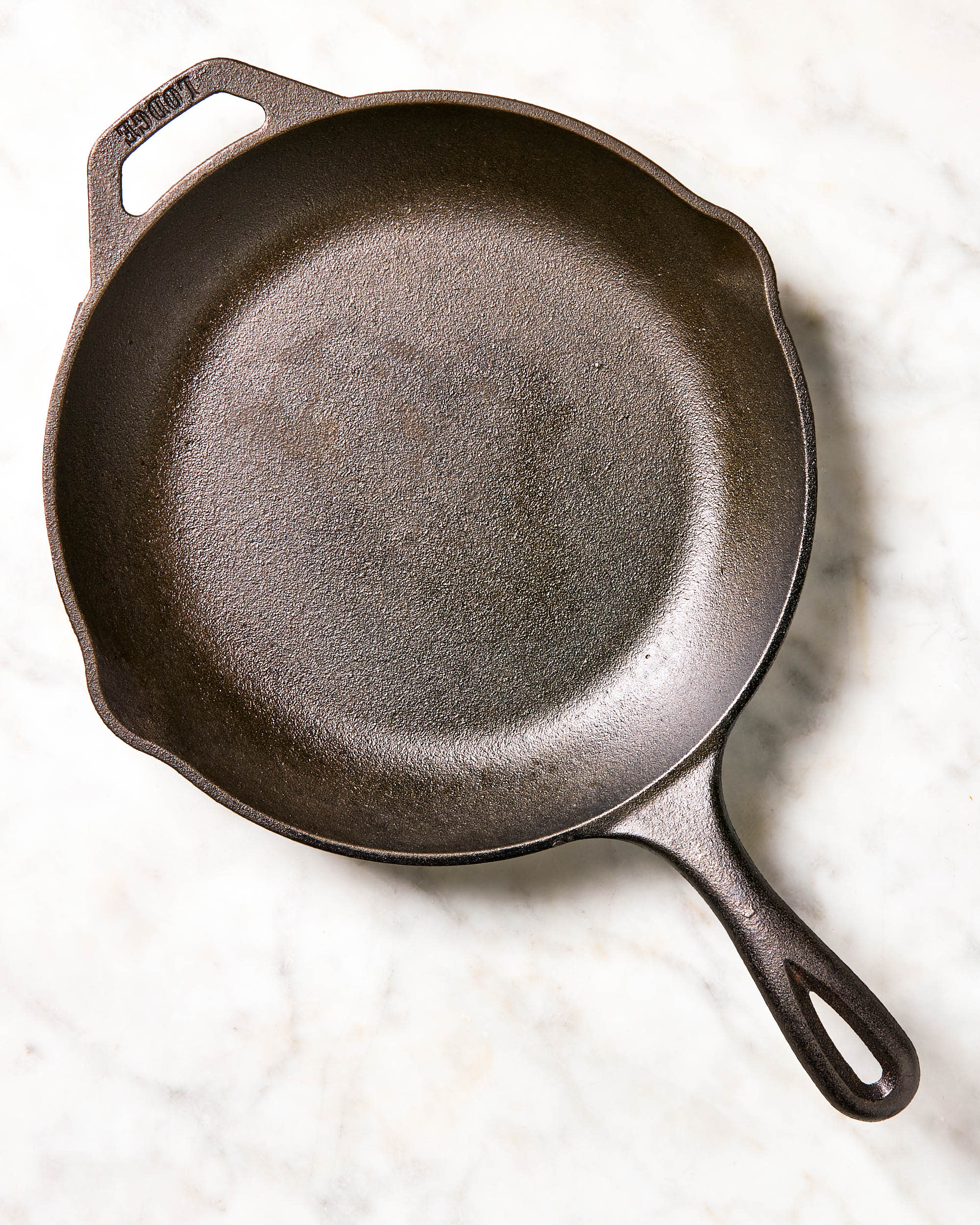
Credit: www.thekitchn.com
Frequently Asked Questions
Why Does Cast Iron Rust Easily?
Cast iron rusts because it contains iron, which reacts with water and oxygen. This reaction forms iron oxide, known as rust. Moisture and air speed up this process.
How Does Moisture Cause Rust On Cast Iron?
Moisture acts as a catalyst, helping iron and oxygen to combine. Without water, rust forms very slowly. Wet or humid conditions increase rust chances.
Can Seasoning Prevent Cast Iron From Rusting?
Yes, seasoning adds a protective oil layer that blocks moisture and air. This layer slows down rust formation. Regular seasoning keeps cast iron safe from rust.
Does Washing Cast Iron Cause It To Rust?
Washing cast iron with water can cause rust if not dried well. Always dry cast iron immediately after washing. Leaving it wet invites rust.
How To Remove Rust From Cast Iron Cookware?
Use a scrub brush or steel wool to scrub rust gently. Then, re-season the cookware to restore protection. Avoid harsh chemicals to keep the pan safe.
Is Rust Dangerous On Cast Iron Cookware?
Small rust spots are not harmful but may affect taste and food quality. Remove rust before cooking to avoid problems. Well-maintained cast iron is safe to use.
Conclusion
Cast iron rusts because it reacts with water and air. This causes a reddish-brown coating called rust. Rust weakens the metal and can ruin your cookware or tools. To stop rust, keep cast iron dry and clean. Oil it regularly to create a protective layer.
Avoid leaving it wet or in humid places. Understanding why cast iron rusts helps you take better care of it. Simple steps can keep your cast iron strong and lasting for years. Rust does not have to be a problem.