
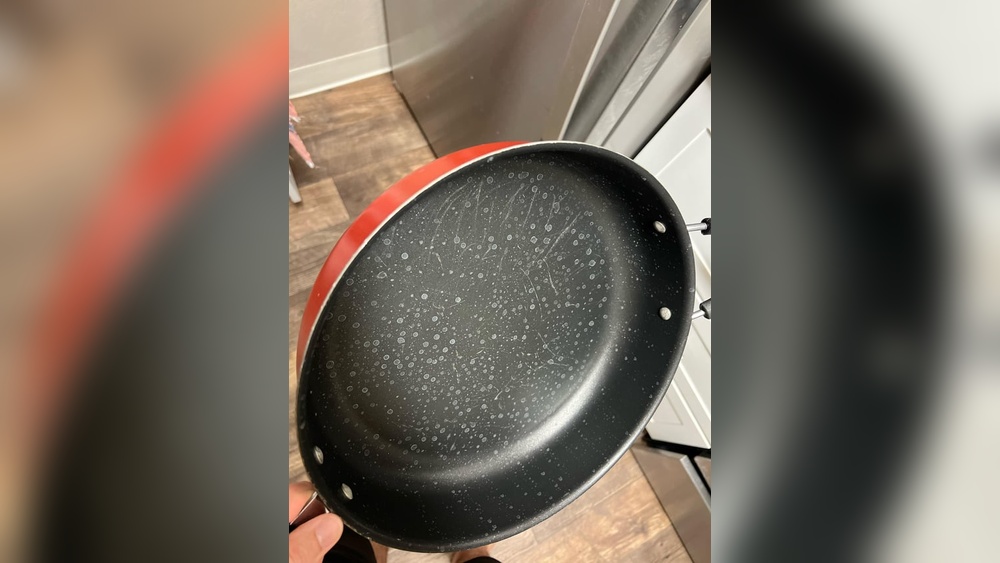
Have you ever taken your dishes out of the dishwasher only to find annoying white spots all over them? It’s frustrating, especially when you expect sparkling clean results.
These white spots can make your glasses look cloudy and your plates less appealing. But why does this happen? Understanding the cause can help you fix the problem and get your dishes spotless every time. Keep reading, because we’re about to reveal the simple reasons behind those stubborn white spots—and how you can easily prevent them.

Credit: www.reddit.com
Causes Of White Spots
White spots on dishes after running the dishwasher are a common problem. These spots make dishes look dirty, even after cleaning. Understanding the causes helps fix the issue quickly. Several factors can lead to these white marks. Knowing what causes them can help keep dishes spotless.
Hard Water Effects
Hard water has high minerals like calcium and magnesium. These minerals leave white, chalky spots on dishes. The minerals do not dissolve well during washing. They stick to glass and plates, causing cloudy marks. Using a water softener can reduce this problem.
Detergent Residue
Using too much detergent can leave white residue on dishes. Detergents with fillers sometimes do not dissolve fully. This leftover detergent dries on the dishes as white spots. Choosing the right detergent and the correct amount helps avoid this.
Rinse Aid Issues
Rinse aids help water slide off dishes smoothly. Without enough rinse aid, water droplets dry slowly. This drying leaves behind mineral deposits as white spots. Too much rinse aid can also cause film buildup. Adjusting the rinse aid level is key.
Improper Loading
Overcrowding dishes blocks water flow during washing. Some areas do not get enough water or detergent. This causes spots and streaks on dishes. Proper spacing and loading improve cleaning results. Follow dishwasher loading guides for best results.
Spotting Hard Water
White spots on your dishes often mean hard water is in use. Hard water contains minerals that cause these marks. Understanding hard water helps fix this common dishwasher problem.
Mineral Buildup Signs
White spots are a clear sign of mineral buildup. Other signs include a cloudy film on glassware. You might also notice rough surfaces on dishes. These minerals come from calcium and magnesium in water. Over time, they stick to dishes and dishwasher parts.
Testing Water Hardness
Testing your water shows how hard it really is. Simple test kits are available online or in stores. These kits measure mineral levels in your water. Results tell you if a water softener is needed. Knowing water hardness helps choose the right dishwasher settings.
Choosing The Right Detergent
Choosing the right detergent is key to avoiding white spots on dishes. The detergent cleans the dishes and helps the dishwasher work well. Using the wrong detergent can leave residue or spots behind. Understanding the types of detergents and how to use them helps keep dishes spotless.
Powder Vs. Liquid
Powder detergents often contain ingredients to fight hard water spots. They can be more effective at removing tough stains. Liquid detergents dissolve quickly and work well in short wash cycles. Each type has pros and cons. Choose based on your dishwasher and water type.
High-quality Brands
High-quality detergent brands use better ingredients for cleaning. They often reduce leftover residue on dishes. Cheaper brands may leave white spots or film. Investing in trusted brands improves cleaning results and reduces spots.
Proper Dosage
Using the right amount of detergent is crucial. Too much detergent creates extra suds that leave spots. Too little detergent won’t clean dishes well. Follow the detergent package instructions for the best results. Adjust dosage if your water is very hard or soft.
Using Rinse Aid Correctly
Using rinse aid correctly helps prevent white spots on dishes. It improves water flow during the final rinse. This stops water droplets from drying on dishes and leaving marks. Many dishwashers have a rinse aid dispenser for easy use. Understanding how to use it can make a big difference.
Benefits Of Rinse Aid
Rinse aid breaks down water surface tension. This lets water slide off dishes quickly. It prevents water spots and streaks from forming. Rinse aid also helps speed up drying time. It keeps glasses clear and shiny. Using rinse aid can reduce the need to hand dry dishes.
Adjusting Dispenser Settings
Most dishwashers let you adjust the rinse aid amount. Too little rinse aid can cause white spots. Too much can leave a sticky residue. Find the right level by checking your dishwasher manual. Start with a medium setting and adjust as needed. Keep the dispenser filled for best results. Regularly check the rinse aid level before running your dishwasher.
Loading Tips For Better Cleaning
Loading the dishwasher correctly helps get dishes cleaner. It stops white spots from forming on your plates and glasses. Proper loading lets water and detergent reach every item. This section shares easy tips for better dishwasher loading.
Avoiding Overcrowding
Do not put too many dishes inside. Overcrowding blocks water and detergent. Dirt and spots stay on dishes. Leave space between plates and bowls. This helps water flow freely and clean well.
Positioning Dishes
Place dishes facing the spray arms. Cups and glasses should tilt downwards. Bowls should lean at an angle. This stops water from pooling and leaves no spots. Avoid nesting dishes inside each other.
Keeping Spray Arms Clear
Make sure nothing blocks the spray arms. Large items can stop arms from spinning. Check for stuck food or debris. Clean spray arms regularly to keep water flowing well.
Credit: www.reddit.com
Regular Dishwasher Maintenance
Regular dishwasher maintenance keeps your machine running well. It helps stop white spots on dishes. Dirt, food bits, and minerals can build up inside. Cleaning and checking your dishwasher often solves these problems. Here are key steps to maintain your dishwasher.
Cleaning Filters
Filters catch food and dirt during washing. They can get clogged over time. Remove the filter from your dishwasher. Rinse it under running water. Use a soft brush to clean stuck bits. Clean filters help water flow well. This stops white spots on dishes.
Running Cleaning Cycles
Dishwasher cleaning cycles remove grease and residue. Use a dishwasher cleaner or vinegar for this. Run a cleaning cycle once a month. It clears out leftover minerals and soap scum. Clean cycles keep the dishwasher fresh. They improve washing results and reduce spots.
Checking Water Temperature
Water temperature affects how well dishes get cleaned. The ideal temperature is between 120°F and 140°F. Too cold water leaves soap residue. Too hot water can damage dishes. Check your water heater or dishwasher settings. Adjust temperature for the best cleaning power. This helps avoid white spots on dishes.
Home Remedies To Remove Spots
White spots on dishes can be annoying and hard to remove. Many home remedies use simple ingredients. These solutions clean spots without harsh chemicals. They are safe, cheap, and easy to try at home.
Vinegar Rinse
Vinegar is a natural cleaner. Pour one cup of white vinegar into a bowl. Place it on the top rack of the empty dishwasher. Run a hot water cycle without detergent. Vinegar helps dissolve mineral deposits that cause white spots. It also removes soap scum and grease.
Try this rinse once a month for best results. It keeps your dishwasher fresh and your dishes clear.
Baking Soda Scrub
Baking soda is gentle but effective. Mix a few tablespoons of baking soda with water to form a paste. Use a soft cloth or sponge to scrub the spots on dishes. Baking soda removes stains and neutralizes odors.
Rinse dishes well after scrubbing. This method works well for stubborn white spots. It also brightens dishes without scratching them.
Credit: www.reddit.com
Frequently Asked Questions
Why Does Dishwasher Leave White Spots On Glasses?
White spots appear due to hard water minerals that dry and stick on glass surfaces. Using a rinse aid helps prevent these spots by improving water drainage and reducing mineral deposits.
How To Remove White Spots From Dishwasher Dishes?
Soak dishes in vinegar for 10-15 minutes to dissolve mineral buildup. Then scrub gently with a soft cloth to restore shine and remove white residue.
Can Dishwasher Detergent Cause White Spots?
Yes, using too much detergent or low-quality detergent can leave white spots. Always use the recommended amount and choose a detergent suitable for your water type.
Does Hard Water Cause Dishwasher White Spots?
Hard water contains minerals like calcium and magnesium that cause white spots. Installing a water softener or using rinse aid can help reduce these deposits.
Conclusion
White spots on dishes often come from hard water or detergent issues. Using the right amount of detergent helps reduce spots. Regular cleaning of the dishwasher keeps it working well. Adding a rinse aid can also improve drying and prevent marks.
Checking water hardness and adjusting settings makes a big difference. Small changes bring cleaner, shinier dishes every time. Keep your dishwasher maintained for the best results. Simple habits stop white spots and save you time. Clean dishes make meals more enjoyable and stress-free.