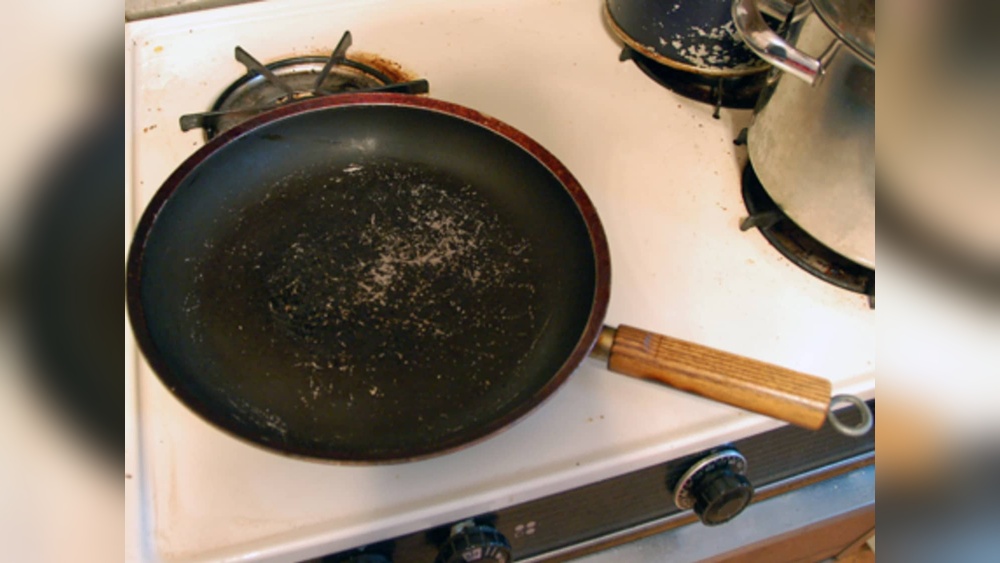
Have you noticed your nonstick pan losing its smooth surface? It’s frustrating when your favorite pan starts sticking and cleaning becomes a chore.
But why does this happen? Understanding why nonstick pans lose their coating can save you money and help you cook better. You’ll learn the common mistakes that wear down your pan and simple tips to keep it nonstick for longer.
Keep reading to protect your cookware and enjoy hassle-free cooking every time.

Credit: www.youtube.com
Common Causes Of Coating Loss
Nonstick pans are popular for easy cooking and cleaning. But their coating can wear off. Understanding why this happens helps keep your pans in good shape. Several common causes lead to the loss of the nonstick coating.
These causes often come from daily use habits. Knowing them can help you avoid damage and extend your pan’s life.
Overheating The Pan
Nonstick coatings break down at high temperatures. Heating the pan too much can cause the coating to peel or crack. Always cook on low or medium heat to protect the surface.
Using Metal Utensils
Metal spoons and forks scratch the coating easily. These scratches reduce the nonstick effect and cause flakes to come off. Use wooden, silicone, or plastic utensils instead.
Improper Cleaning Techniques
Harsh scrubbers and strong detergents wear down the coating. Avoid steel wool or abrasive pads. Clean gently with soft sponges and mild soap for best results.
Wear And Tear Over Time
Even with careful use, nonstick coatings wear out. Regular cooking and washing cause gradual damage. Replace old pans to maintain good cooking performance.
Low-quality Nonstick Materials
Cheap pans often use poor coatings. These coatings degrade faster and chip easily. Investing in better quality pans helps keep the coating intact longer.
Credit: www.reddit.com
Signs Your Pan’s Coating Is Failing
Nonstick pans are popular for easy cooking and cleaning. Over time, their coating can wear out. Knowing the signs helps you decide when to replace the pan. Watch for these clear signs that your pan’s coating is failing.
Food Sticking More Often
One of the first signs is food sticking to the surface. Your pan should release food easily. If you notice pancakes or eggs sticking more, the coating might be damaged. This makes cooking harder and cleaning longer.
Visible Scratches And Peeling
Scratches on the pan’s surface show wear. Small cuts or peeling spots mean the coating is breaking down. These damages expose the metal underneath, which can lead to rust. Using metal utensils often causes these marks.
Discoloration Of The Surface
A change in color signals trouble. Nonstick coatings may turn dull or patchy over time. Dark spots or uneven color means the pan has lost its protective layer. This can affect cooking performance and food safety.
Simple Fixes To Extend Pan Life
Nonstick pans lose their coating mainly due to daily use and care mistakes. Small changes in how you use and clean your pan can keep it working longer. These simple fixes help protect the coating from wearing off fast.
Taking care of your nonstick pan is easy with the right steps. You can avoid scratches and heat damage by learning a few smart habits. Save money and enjoy cooking more with a pan that lasts.
Seasoning Your Nonstick Pan
Seasoning a nonstick pan adds a thin protective layer. Heat the pan, then rub a little cooking oil inside. Let it cool and wipe off extra oil. This process helps keep food from sticking and protects the surface.
Using Proper Utensils
Always use wooden, silicone, or plastic utensils with your nonstick pan. Metal tools can scratch and damage the coating quickly. Gentle utensils keep the surface smooth and safe for cooking.
Cleaning Tips For Longevity
Wash your pan with warm, soapy water and a soft sponge. Avoid harsh scrubbers or steel wool. Clean after every use to stop food build-up. Dry the pan fully to prevent rust and damage.
Avoiding High Heat
Nonstick pans work best on low to medium heat. High heat can break down the coating and release harmful fumes. Use lower heat to keep your pan safe and its surface intact.
When To Replace Your Nonstick Pan
Knowing when to replace your nonstick pan is important. Over time, the coating wears out. This affects cooking and safety. Using a pan with a damaged surface can cause food to stick and burn. It can also release harmful particles. Watch for scratches, peeling, or discoloration. These signs mean it’s time to get a new pan. Don’t wait too long to replace it. Your health and cooking quality depend on it.
Health Risks Of Damaged Coatings
Damaged nonstick coatings can release toxic chemicals. These chemicals may mix with your food. Eating such food can cause health problems. Long-term exposure might harm your lungs and liver. Small coating flakes can also end up in your meal. This can cause stomach problems or discomfort. Using a pan with a broken surface is risky. Replacing the pan helps avoid these health dangers.
Cost Vs. Benefit Of Repairing
Repairing a nonstick pan is often not worth it. Fixing the coating can be expensive and temporary. Most repairs do not restore full safety or performance. Buying a new pan usually costs less over time. New pans come with fresh coatings that last longer. Saving money today might lead to higher costs later. Consider replacement to get better results and safety.
Choosing A Durable Replacement
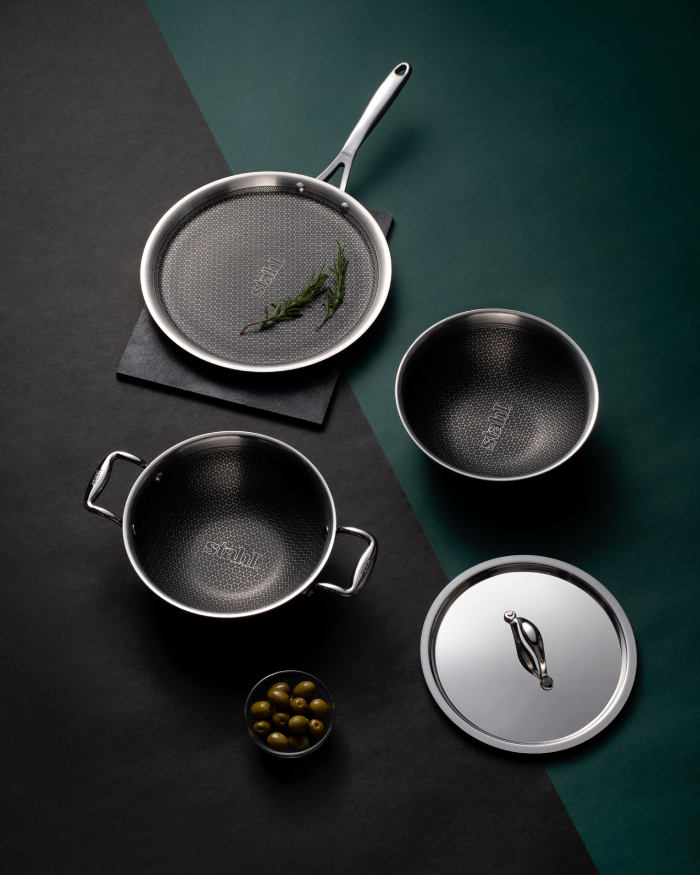
Select a pan with a strong, long-lasting coating. Look for ceramic or hard-anodized surfaces. These types resist scratches and wear better. Choose pans that fit your cooking style and budget. Check for good reviews on durability and safety. A durable pan means fewer replacements and safer cooking. Invest in quality to enjoy cooking without worries.
Credit: stahlkitchens.com
Frequently Asked Questions
Why Do Nonstick Pans Lose Their Coating Quickly?
Nonstick coatings wear down from high heat and metal utensils. Scratches and frequent washing also break the coating over time.
Can Cooking Oils Damage Nonstick Pan Coatings?
Yes, some cooking oils can build up residue and harm the coating. Using moderate oil and cleaning well helps protect the surface.
Does Washing Nonstick Pans In A Dishwasher Harm Them?
Dishwashers can cause the coating to degrade faster. Hand washing with mild soap is better to keep the coating safe.
How Does Overheating Affect Nonstick Pan Coatings?
High heat causes the coating to break and peel. Cooking on low to medium heat helps the pan last longer.
Conclusion
Nonstick pans lose their coating mainly due to heat and scratches. Using metal tools or harsh cleaning can damage the surface. Over time, this causes the coating to peel or wear off. Taking care by using gentle utensils and low heat helps the pan last longer.
Remember, proper use keeps your pan working well and safe to cook with. Small habits make a big difference in nonstick pan life. Choose care over force to enjoy your pan every day.