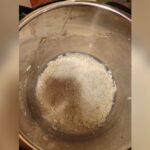
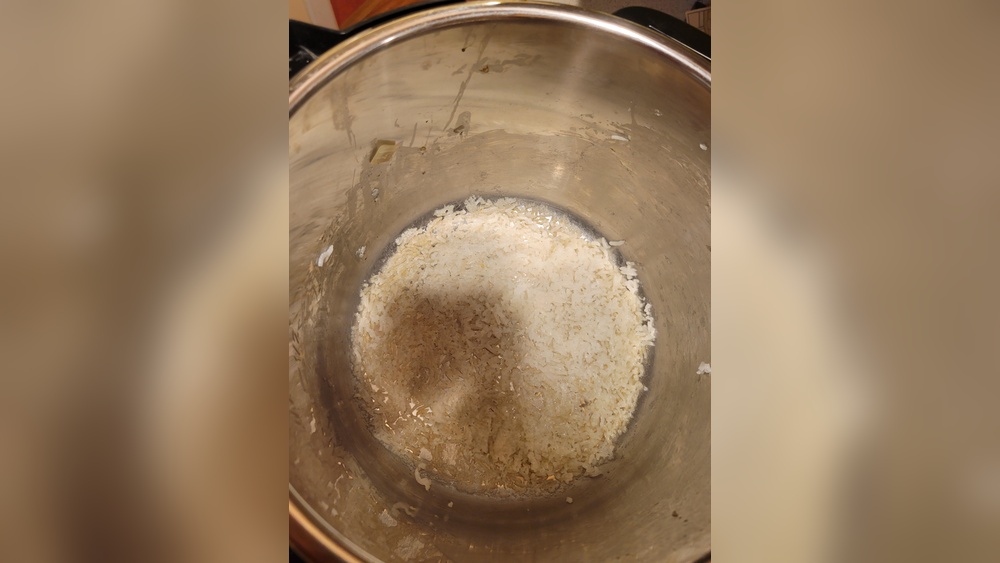
Have you ever opened your rice cooker, only to find your perfectly planned meal ruined by burnt rice at the bottom? It’s frustrating, right?
You follow the instructions, add the right amount of water, and still end up with a scorched mess. But why does this happen? Understanding why rice cookers burn rice can save you time, money, and stress. You’ll discover the common reasons behind burnt rice and simple tips to fix the problem for good.
Keep reading to make your rice cooker work for you—not against you.
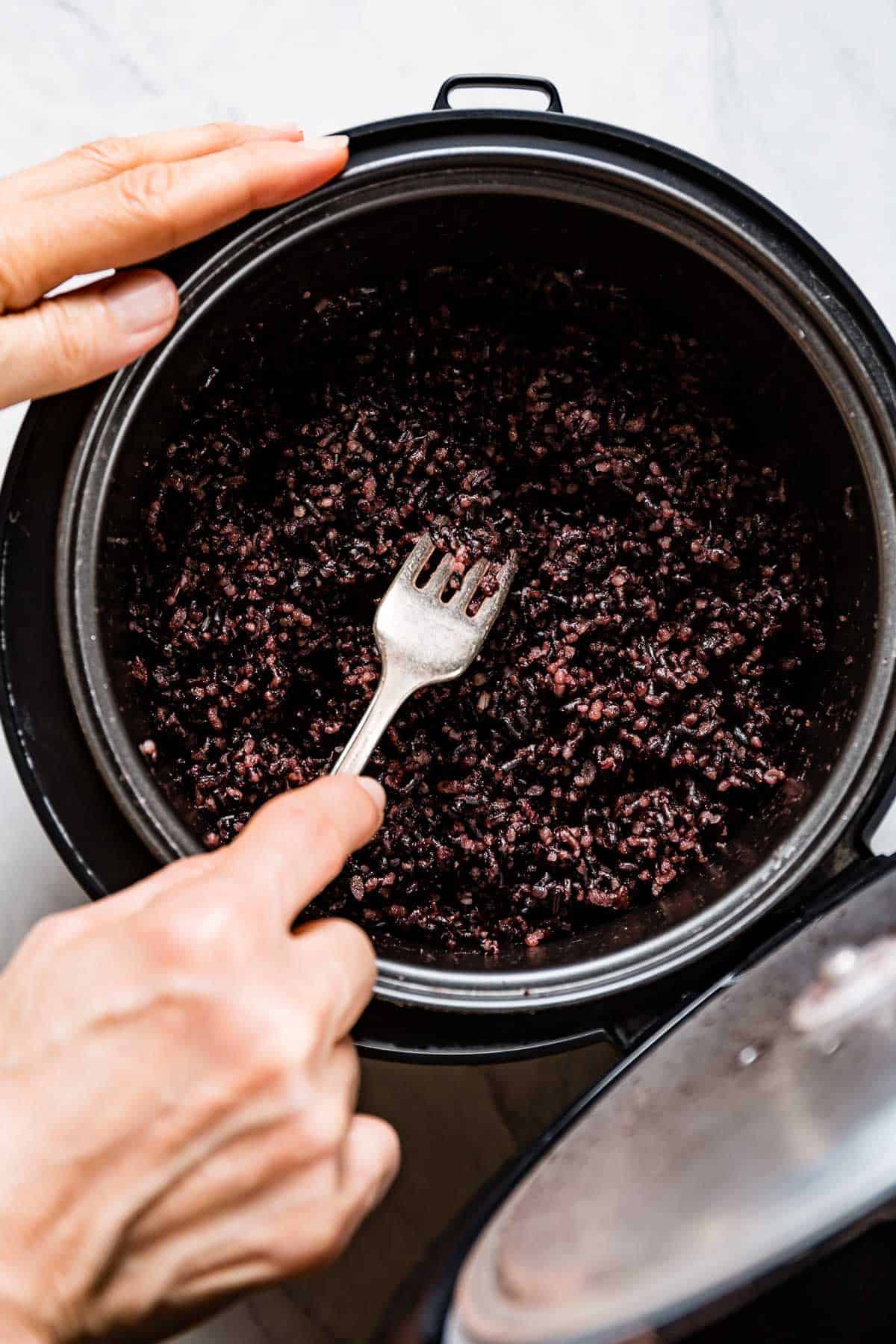
Credit: foolproofliving.com
Common Reasons Rice Burns
Rice cookers make cooking rice easy, but sometimes rice burns. Understanding why rice burns helps fix the problem. Several common reasons cause rice to stick and burn at the bottom of the cooker.
Insufficient Water
Rice needs enough water to cook properly. Without enough water, rice dries out and burns. Water absorbs heat and steams the rice evenly. Too little water means the rice cooker heats the pot too much. This causes rice to stick and burn quickly.
Incorrect Rice-to-water Ratio
Each type of rice needs a specific water amount. Using too little water compared to rice leads to burning. Too much water makes rice mushy but prevents burning. Using the right water ratio is key to perfect rice. Check instructions or measure carefully before cooking.
Overcooking
Leaving rice in the cooker too long causes burning. The rice cooker may stay on after cooking finishes. This extra heat dries the rice and burns the bottom layer. Turn off the cooker or remove rice soon after cooking ends.
Faulty Cooker Settings
Some rice cookers have settings for different rice types. Choosing the wrong setting can cause burning. High heat settings cook rice too fast and burn it. Make sure to select the correct mode for your rice type. Faulty temperature control in old cookers also causes burning.

Credit: www.reddit.com
Impact Of Rice Type On Burning
The type of rice affects how a rice cooker cooks and sometimes burns the rice. Different rice varieties absorb water and cook at varied speeds. This can lead to uneven cooking and burning at the bottom. Understanding the rice type helps prevent burning and improves cooking results.
Sticky Vs. Long Grain Rice
Sticky rice has high starch content. It tends to clump and stick to the cooker’s surface. This increases the chance of burning at the bottom. Long grain rice has less starch and cooks more evenly. It absorbs water slower and stays separate. This reduces the risk of burning in rice cookers.
Effect Of Brown Rice
Brown rice has the outer bran layer intact. It takes longer to cook than white rice. The longer cooking time can cause the rice cooker to overheat. This may burn the rice at the bottom. Brown rice needs more water and a longer cooking cycle to avoid burning.
How Cooker Quality Affects Cooking
Cooker quality plays a big role in how rice cooks. A good cooker controls heat and timing well. Poor quality cookers often cause rice to burn. They may not keep temperature steady or sense water levels correctly. Understanding these issues helps you pick the right cooker and avoid burnt rice.
Sensor Accuracy
Sensors tell the cooker when rice is done. High-quality cookers use precise sensors. They detect water levels and temperature accurately. This stops the cooker from overheating or drying out the rice. Low-quality cookers have weak sensors. They guess the water level and time. This guesswork often burns the rice or leaves it raw.
Heating Element Issues
The heating element heats the rice and water. Good cookers have even heating elements. They spread heat across the pot without hot spots. Cheap cookers may have faulty or uneven heating. Hot spots burn the rice at the bottom. Uneven heat can cook rice poorly. This causes burning or undercooking in some parts.
Simple Steps To Prevent Burning
Burning rice in a rice cooker is a common problem. It can ruin your meal and waste food. Simple steps can help you avoid this issue. These steps focus on water, settings, and maintenance. Follow them to get perfect rice every time.
Proper Water Measurement
Using the right amount of water is key. Too little water causes rice to burn. Too much water makes it soggy. Measure water with the cup that comes with the cooker. Match water level to the rice quantity. This helps rice cook evenly without burning.
Using The Right Settings
Rice cookers have different settings for white, brown, or mixed rice. Pick the correct one for your rice type. Using the wrong setting may burn rice or leave it undercooked. Follow the cooker’s instructions to select settings. This ensures proper heat and cooking time.
Regular Cooker Maintenance
Clean your rice cooker after every use. Remove leftover rice and wash the inner pot. Check the heating plate for residue or damage. Dirt or damage can cause uneven heat and burning. Regular care keeps your cooker working well and prevents burnt rice.
Troubleshooting And Repairs
Troubleshooting and repairing a rice cooker can stop it from burning rice. Understanding simple fixes can save time and money. Some problems are easy to solve. Others need parts replaced or expert help.
Resetting The Cooker
Try resetting the rice cooker first. Unplug it and wait for a few minutes. Plug it back in and start cooking again. This can clear small errors in the cooker’s system. Many times, a simple reset fixes the problem.
Replacing Parts
Burning rice can happen if parts are broken. The heating plate might not work well. The thermostat may fail to control temperature. Check for visible damage or wear. Replace faulty parts with the right ones. Use manufacturer-approved parts for best results.
When To Seek Professional Help
Some problems need a technician’s skills. If your rice cooker still burns rice after resets and part changes, call a pro. Avoid trying complex repairs alone. Professionals have the tools and knowledge to fix issues safely. They can also test the cooker’s electrical parts.

Credit: www.slurrp.com
Frequently Asked Questions
Why Does My Rice Cooker Burn Rice Sometimes?
Rice cookers can burn rice due to uneven heat distribution or too little water. Using the right water-to-rice ratio helps prevent burning. Also, old or faulty cookers may overheat and cause rice to stick or burn.
How Can I Stop My Rice Cooker From Burning Rice?
Use the correct water amount for the rice type you cook. Stir rice before cooking and clean the cooker’s pot regularly. Avoid opening the lid during cooking to keep the heat steady.
Does Using Too Little Water Cause Rice To Burn?
Yes, not enough water makes rice dry and stick to the pot’s bottom. This causes burning or scorching. Always measure water carefully based on the rice you use.
Can A Faulty Rice Cooker Cause Rice To Burn?
Yes, a malfunctioning cooker may overheat or fail to switch off on time. This leads to burnt rice or a burnt smell. Regularly check and maintain your rice cooker for best results.
Does Cooking Different Rice Types Affect Burning Risk?
Different rice types need different water amounts and cooking times. Using wrong settings can burn rice or leave it undercooked. Always follow instructions specific to the rice type you cook.
Conclusion
Rice cookers burn rice mostly due to wrong water amount or heat settings. Using too little water dries the rice and causes burning. Cooking on high heat for too long also leads to burnt rice. Cleaning the cooker regularly helps it work better.
Choosing the right rice cooker size matters too. Understanding these simple tips can save your rice from burning. Enjoy soft, tasty rice every time with small changes. Cooking rice well is easy once you know these facts. Keep trying, and your meals will improve.