Winter gear can take up a lot of space, making it hard to pack your bags or keep your closet organized. If you’ve ever struggled to fit your bulky coats, sweaters, and boots into your suitcase or storage space, you’re not alone.
But what if there was a simple way to save space and keep your gear protected at the same time? Using compression bags can be a game-changer for anyone looking to store or pack winter clothing efficiently. You’ll discover easy steps and smart tips to make the most of compression bags, so you can free up space and keep your winter gear ready for next season.
Keep reading to learn how to transform your packing and storage routine!
Choosing The Right Compression Bags
Choosing the right compression bags makes storing bulky winter gear easier. Proper bags save space and protect your items. Knowing the types, materials, and sizes helps you pick the best one. This guide covers key points to help you choose wisely.
Types Of Compression Bags
Compression bags come in different styles. Vacuum bags use a pump or vacuum to remove air. They create the tightest seal and save the most space. Roll-up bags work by squeezing out air manually. They are quick and do not need extra tools. Some bags have built-in valves for easy air release. Choose the type based on your gear and storage needs.
Materials And Durability
Good compression bags use strong, thick plastic or nylon. Durable materials prevent tears and holes. Look for bags with reinforced seams for longer use. Some bags also have water-resistant layers. This keeps gear safe from moisture and dust. Quality materials protect your winter clothes during storage or travel.
Size Options For Winter Gear
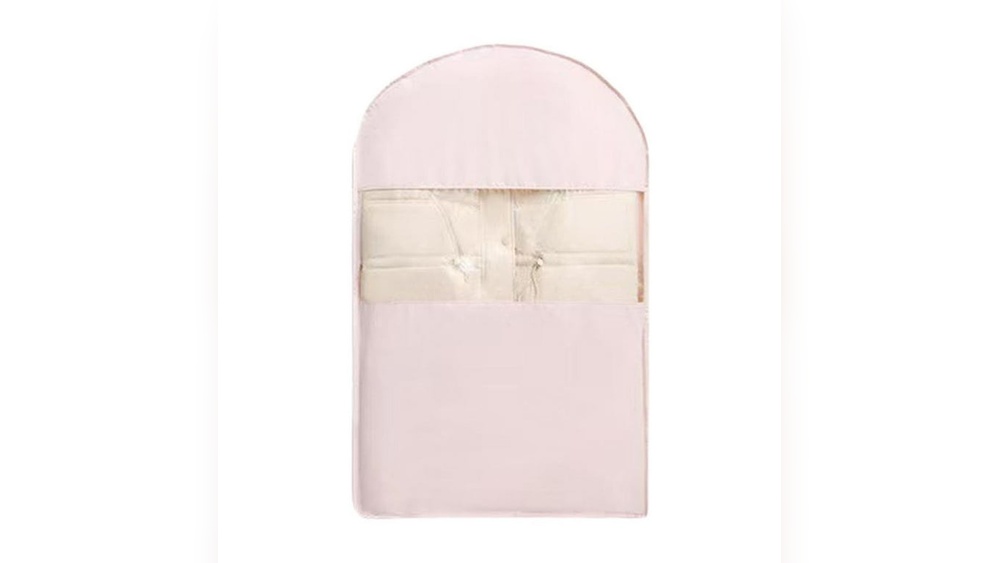
Compression bags come in many sizes. Small bags fit gloves, hats, and scarves. Medium bags are good for sweaters and jackets. Large bags hold bulky items like coats and blankets. Pick a size that fits your gear without overfilling. Overstuffed bags can lose compression and damage clothes.

Credit: www.amazon.com
Preparing Winter Gear For Compression
Preparing winter gear for compression helps save space and protect your items. Proper prep keeps gear fresh and ready for next use. Follow simple steps to get the best results from compression bags.
Cleaning And Drying Essentials
Remove dirt and stains before packing your winter clothes. Clean gear prevents mold and bad smells inside the bags. Dry all items completely to avoid moisture buildup. Damp clothes can cause damage and reduce bag effectiveness.
Folding Vs Rolling Techniques
Choose folding for thick sweaters or coats to keep shape. Rolling works well for thinner items like thermal shirts or leggings. Rolling reduces wrinkles and saves space in compression bags. Combine both techniques to fit different gear types efficiently.
Organizing Items By Bulk And Use
Sort heavy, bulky items separately from lighter clothes. Pack frequently used items on top for easy access. Group similar pieces together to avoid mixing and wrinkling. Organizing this way makes unpacking faster and hassle-free.
Packing And Sealing Tips
Packing bulky winter gear can be challenging. Compression bags help save space and protect your items. Proper packing and sealing make a big difference. Follow these tips to get the best results.
Maximizing Space Efficiently
Fold your clothes neatly before placing them in the bag. Avoid stuffing items randomly. Lay flat jackets and sweaters to prevent wrinkles. Use smaller bags inside for gloves and hats. This method organizes your gear and saves room.
Removing Air Without Damage
Seal the bag halfway before pressing out air. Use your hands to gently push air toward the opening. Avoid sharp or quick pressure that can tear the bag. Use a vacuum pump or hose for better air removal. Make sure the bag stays intact during the process.
Avoiding Common Sealing Mistakes
Check the zipper seal carefully before pressing air out. A poor seal lets air back in quickly. Don’t overfill the bag; leave some space for sealing. Avoid folding the seal area as it can cause leaks. Inspect the bag for holes or weak spots before use.

Credit: www.walmart.com
Storing Compressed Winter Gear
Storing compressed winter gear properly keeps it safe and ready for next use. Compression bags save space but need care to protect your items. Proper storage helps avoid damage and keeps gear fresh.
Ideal Storage Locations
Choose dry and cool places for your compressed bags. Avoid direct sunlight to prevent material damage. Closets, under beds, or shelves work well. Keep bags away from heat sources like radiators.
Protecting Bags From Punctures
Place bags where sharp objects cannot touch them. Avoid areas with rough edges or nails. Use a soft cloth or blanket between bags and hard surfaces. Check bags regularly for holes or tears.
Maintaining Gear Quality Over Time
Air out gear before compressing to avoid moisture. Store bags loosely if gear will be stored for months. Open bags occasionally to let air circulate. Keep gear clean to prevent odors and mold.
Troubleshooting Compression Bag Issues
Compression bags help save space for bulky winter gear. Sometimes, issues occur during use. Knowing how to fix these problems keeps your gear safe and compact.
This section explains common problems and easy solutions for compression bags.
Dealing With Leaks And Air Loss
Leaks cause air to escape, making the bag lose its tight seal. Check for small holes or tears on the bag surface. Run your hand over the bag to feel for holes.
Seal any holes with strong tape or replace the bag. Make sure the zipper closes fully and properly. Clear any dirt or debris from the zipper for a tight seal.
Handling Stubborn Air Pockets
Air pockets stop your gear from compressing well. Press firmly on the bag to push air out. Roll the bag slowly from the bottom to the top to remove trapped air.
Use a vacuum hose if the bag supports it. Avoid sharp objects inside the bag that can cause air pockets.
When To Replace Compression Bags
Compression bags wear out after many uses. Replace bags with large holes or broken zippers. Old bags lose flexibility and may not seal properly.
Buying new bags ensures your winter gear stays compressed and protected. Check your bags before each trip for damage signs.
:max_bytes(150000):strip_icc()/rsp-alming-compression-bags-miles-walls-tout-77ac18f347e44fb9bc16b1b05cd1d7a9.jpg)
Credit: www.realsimple.com
Frequently Asked Questions
How Do Compression Bags Save Space For Winter Gear?
Compression bags reduce the volume of bulky items by removing air. This process saves significant storage space. It helps organize your winter gear efficiently. Using these bags also protects items from moisture and dust.
Can Compression Bags Damage Winter Clothing?
When used properly, compression bags do not damage clothing. Avoid over-compressing delicate fabrics to prevent wrinkles. Always store items dry and clean before sealing. Proper use ensures your winter gear stays safe and fresh.
What Types Of Winter Gear Work Best With Compression Bags?
Compression bags work well with bulky items like jackets, sweaters, and blankets. Avoid compressing items with sharp edges or delicate materials. Soft, compressible fabrics benefit most. Using the right bag size improves packing efficiency.
How Do I Choose The Right Compression Bag Size?
Select a bag slightly larger than the item you want to store. This prevents overstuffing and allows effective air removal. Check product dimensions before buying. Proper sizing ensures maximum compression and protection.
Conclusion
Compression bags save space and protect your bulky winter gear. They keep items dry and organized. Use them to fit more in your closet or suitcase. Remember to remove as much air as possible for best results. Store bags in a cool, dry place to keep gear fresh.
Try different sizes to match your items. With these tips, packing bulky clothes becomes easier and neater. Simple steps, big difference. Your winter gear stays safe and takes less space. Ready for your next trip or season change!