Have you ever noticed your cutting board bending or twisting after just a few uses? It can be frustrating when your trusted kitchen tool starts to warp, making food prep harder and less safe.
Understanding why cutting boards warp can help you prevent this annoying problem and keep your board in great shape for years. You’ll discover the surprising reasons behind warping and simple tips to protect your cutting board from damage. Keep reading to save your board—and your kitchen time!
Credit: www.earlywooddesigns.com
Causes Of Warping In Cutting Boards
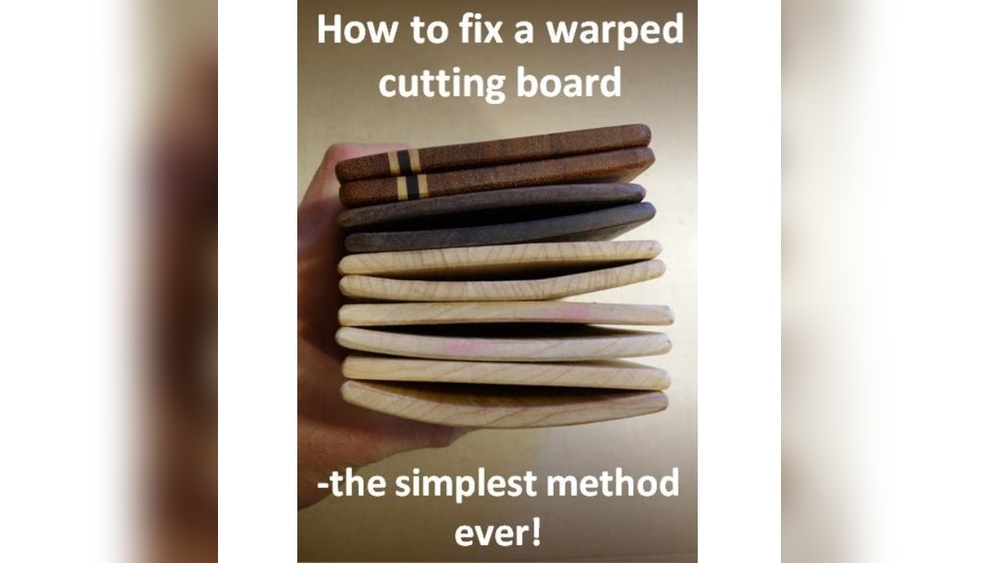
Cutting boards often warp due to different factors affecting their structure. Warping happens when the board changes shape, causing uneven surfaces. Understanding these causes helps protect your cutting board and keep it flat.
Moisture Imbalance
Wood absorbs and loses water unevenly. One side may stay wet longer than the other. This difference causes the board to bend or twist. Moisture imbalance is a common reason for warping.
Improper Drying
Drying cutting boards incorrectly leads to warping. Leaving them in water or damp places traps moisture. Drying only one side causes uneven shrinking. Proper drying keeps the board flat and strong.
Exposure To Heat
Heat makes wood expand and contract. Hot surfaces or sunlight dry out the board too fast. This rapid change causes warping and cracks. Avoid placing cutting boards near heat sources.
Poor Wood Quality
Low-quality wood has weak fibers and knots. It reacts more to moisture and heat changes. Cheap wood warps faster than hardwood. Choosing good wood helps your board last longer and stay flat.
Types Of Cutting Boards Prone To Warping
Cutting boards come in many materials, but some are more likely to warp. Warping means the board bends or twists out of shape. This happens when the board absorbs water unevenly or dries too fast. Knowing which types of cutting boards warp helps you choose and care for them better.
Wooden Boards
Wooden cutting boards are popular for their durability and look. They absorb water easily because wood is porous. If left wet or not dried flat, wooden boards can warp. Changes in temperature and humidity also cause wood to expand and contract. End grain boards resist warping more than edge grain ones.
Bamboo Boards
Bamboo boards are a natural choice and eco-friendly. Bamboo is harder and less porous than wood but still absorbs moisture. If bamboo boards stay wet or dry unevenly, they may warp. Cheap bamboo boards with poor glue can separate and warp faster. Proper care reduces the risk of warping.
Plastic Boards
Plastic cutting boards are low maintenance and easy to clean. Some plastic boards warp from heat, such as placing hot pots on them. Thinner plastic boards warp more than thick ones. They don’t absorb water but can bend when exposed to heat or uneven surfaces. Choosing high-quality plastic reduces warping chances.
Signs Your Cutting Board Is Warping
Cutting boards can change shape over time. This change is called warping. Warping happens because of moisture and heat. It can make your board hard to use. Spotting early signs helps you fix or replace it fast.
Visible Bending
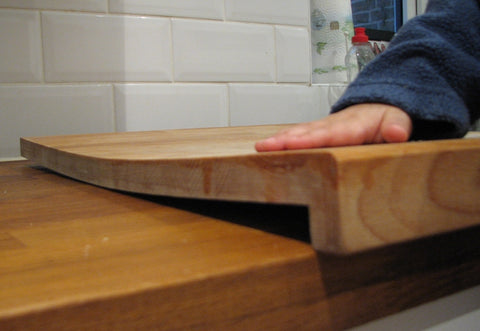
Look closely at your cutting board’s edges. Are they lifting or curving? Bending edges mean the wood is twisting. This makes the board unstable on your counter. A flat board should sit firmly without rocking.
Cracks And Splits
Check the surface and sides for small cracks. Splits appear when the wood dries unevenly. These cracks can grow bigger with use. They trap food and bacteria, which is unsafe for cooking.
Uneven Surface
Run your hand over the board’s surface. Feel for bumps or dips that were not there before. An uneven surface makes cutting difficult and unsafe. It can also dull your knives faster.

Credit: www.reddit.com
Easy Fixes To Stop Warping
Cutting boards often warp due to moisture and improper care. Small changes in how you clean, dry, and maintain your board can prevent warping. These easy fixes help keep your board flat and safe for food prep.
Proper Cleaning Techniques
Wash your cutting board with warm, soapy water after use. Avoid soaking the board in water, which causes swelling. Use a soft sponge to clean without scratching the surface. Rinse well to remove soap residue. Never put wooden boards in the dishwasher.
Correct Drying Methods
Dry your cutting board immediately after washing. Use a clean towel to pat it dry. Stand the board upright to air dry both sides. Avoid laying it flat on a wet surface. Proper drying prevents moisture buildup inside the wood.
Regular Oil Treatments
Apply food-safe mineral oil to your board once a month. Oil seals the wood and stops water from soaking in. Use a clean cloth to rub the oil evenly. Let the board absorb the oil overnight. Wipe off any extra oil before use.
Preventing Warping For Longevity
Cutting boards often warp because of moisture and heat changes. Preventing warping helps your board last longer. Proper care keeps the board flat and safe for food. Small habits make a big difference in stopping warping.
Storage Tips
Store cutting boards in a dry place. Avoid stacking heavy items on top. Keep boards upright to let air flow around them. Do not leave boards near heat sources like ovens.
Choosing The Right Board
Pick boards made from stable woods like maple or bamboo. These woods resist warping better than soft woods. Avoid thin boards that bend easily. A thicker board holds shape longer.
Routine Maintenance
Clean boards with mild soap and warm water. Dry them immediately after washing to stop moisture damage. Oil wooden boards regularly to keep wood hydrated. Use food-safe mineral oil for best results.
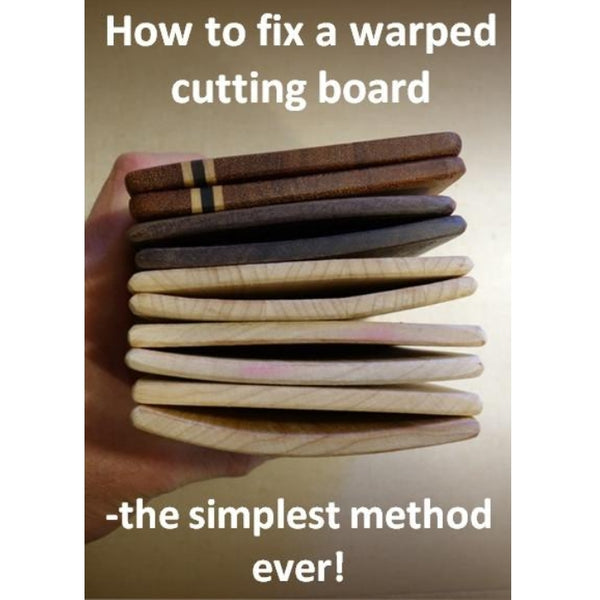
Credit: www.earlywooddesigns.com
Frequently Asked Questions
Why Do Cutting Boards Warp After Washing?
Cutting boards warp due to uneven drying and excess water exposure. Wood absorbs water and expands, then shrinks when drying unevenly.
Can Soaking Cutting Boards Cause Warping?
Yes, soaking wood cutting boards can cause warping. Water seeps into the wood, causing it to swell and lose shape.
How Does Cutting Board Material Affect Warping?
Wood boards are more likely to warp than plastic ones. Different materials absorb and release moisture differently, affecting their shape.
Does Temperature Change Cause Cutting Board Warping?
Temperature changes can cause cutting boards to warp. Heat makes wood expand, and cold makes it shrink, leading to warping over time.
How To Prevent Cutting Boards From Warping?
Keep cutting boards dry and avoid soaking them in water. Store them standing upright in a dry, cool place for best results.
Conclusion
Cutting boards warp because of water, heat, and improper care. Wood absorbs moisture and swells unevenly. Drying too fast or unevenly makes it bend or crack. Using the wrong cleaning methods can also cause damage. To keep boards flat, dry them well and avoid soaking.
Store them in a dry place away from heat. Understanding these causes helps you extend your board’s life. Small steps make a big difference in keeping cutting boards strong. Take care, and your board will last much longer.