Is your pantry a chaotic mess that makes finding what you need a daily struggle? Imagine opening your pantry and instantly spotting every item without digging through piles of cans and boxes.
Organizing your pantry the right way can save you time, reduce stress, and even help you avoid wasting food. You’ll discover simple, practical steps to transform your pantry into a neat, efficient space that works for you. Keep reading to learn the best way to organize your pantry and make mealtime easier than ever.
Credit: www.classyclutter.net
Assessing Your Pantry Space
Assessing your pantry space is the first step in organizing it well. Understanding the area helps create a plan that fits your needs. A clear picture of the space avoids clutter and wasted spots. Begin by looking closely at your pantry before buying storage tools or moving items.
Measuring Dimensions
Start by measuring the height, width, and depth of the pantry. Use a tape measure for accuracy. Note any shelves or built-in compartments. Write down these numbers to guide your storage choices. Knowing the size helps pick containers and organizers that fit well.
Identifying Storage Zones
Divide the pantry into zones based on how you use the items. Create areas for snacks, canned goods, baking supplies, and spices. Keep everyday items within easy reach. Store less-used products on higher or lower shelves. This method saves time and keeps things tidy.
Evaluating Current Items
Look at all items inside your pantry. Check expiration dates and throw out old or unused goods. Group similar items together for easier access. Consider how often you use each product. This step reduces clutter and makes organizing simpler.
Credit: thehomesihavemade.com
Choosing The Right Storage Containers
Choosing the right storage containers is key to organizing your pantry well. Good containers keep food fresh and make your pantry look tidy. They also help you find items quickly without making a mess. Picking containers that fit your space and needs makes your pantry easier to use every day.
Types Of Containers
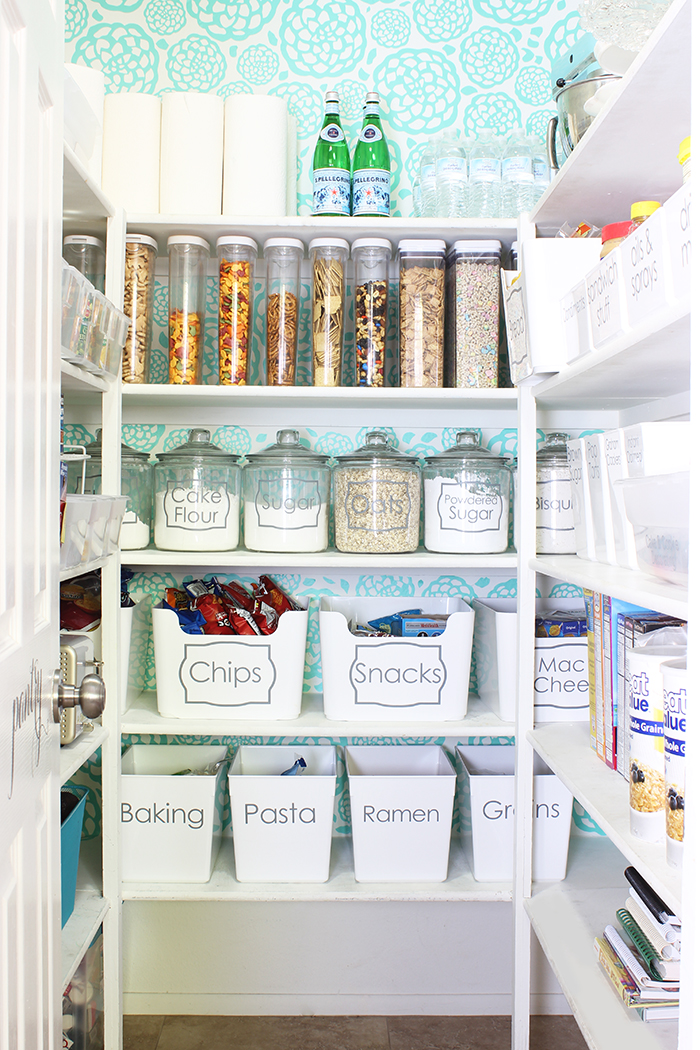
Clear plastic containers show what is inside at a glance. Glass jars are strong and do not absorb smells. Airtight containers keep moisture and bugs out. Bins and baskets help group similar items together. Choose containers that stack well to save shelf space.
Labeling Techniques
Labels help you find foods fast. Use large, clear fonts for easy reading. Write expiration dates on labels to avoid wasted food. Chalkboard labels can be changed when you refill containers. Stick to simple labels that everyone in the home can understand.
Maximizing Shelf Life
Use airtight containers for dry goods like flour and sugar. Store grains and cereals in cool, dark containers to keep freshness. Avoid clear containers in direct sunlight to prevent spoilage. Keep spices in small, sealed jars to maintain flavor. Rotate older items to the front to use them first.
Sorting And Categorizing Pantry Items
Sorting and categorizing pantry items is the first step toward a neat and useful pantry. It helps save time and reduces food waste. You can quickly find what you need without digging through clutter.
Organizing your pantry by sorting items into groups makes everything clear and accessible. This way, you can keep track of what you have and what you need. Let’s explore how to group foods, prioritize often-used items, and manage expired products.
Grouping Similar Foods
Group pantry items by type to keep things tidy. For example, place all canned goods together. Put baking ingredients like flour, sugar, and baking powder in one section. Keep snacks such as chips, nuts, and crackers in another area. Grouping similar foods makes it easier to find items fast.
Prioritizing Frequently Used Items
Place items you use every day at eye level or within easy reach. This saves time during cooking or meal prep. Store less-used items on higher or lower shelves. Keeping often-used foods handy keeps your kitchen running smoothly.
Handling Expired Products
Check expiration dates regularly. Remove expired items immediately to avoid health risks. If a product is close to its expiry, place it in front to use it first. This practice helps reduce waste and keeps your pantry safe.
Optimizing Shelf Arrangement
Optimizing shelf arrangement is key to an organized pantry. Proper shelf setup saves space and keeps items visible. It helps to find what you need quickly. A well-arranged shelf reduces clutter and waste. Small changes can make a big difference in pantry use.
Using Vertical Space
Vertical space is often overlooked in pantries. Stacking items upwards uses the full height of the shelf. Tall containers fit well in these spaces. Use shelf risers to create extra levels. This method doubles storage without expanding shelf width.
Adjustable Shelving Options
Adjustable shelves offer flexibility for different items. You can change shelf height based on container size. This customization maximizes storage efficiency. It works well for large and small pantry goods. Adjustable shelves adapt as your storage needs change.
Incorporating Baskets And Bins
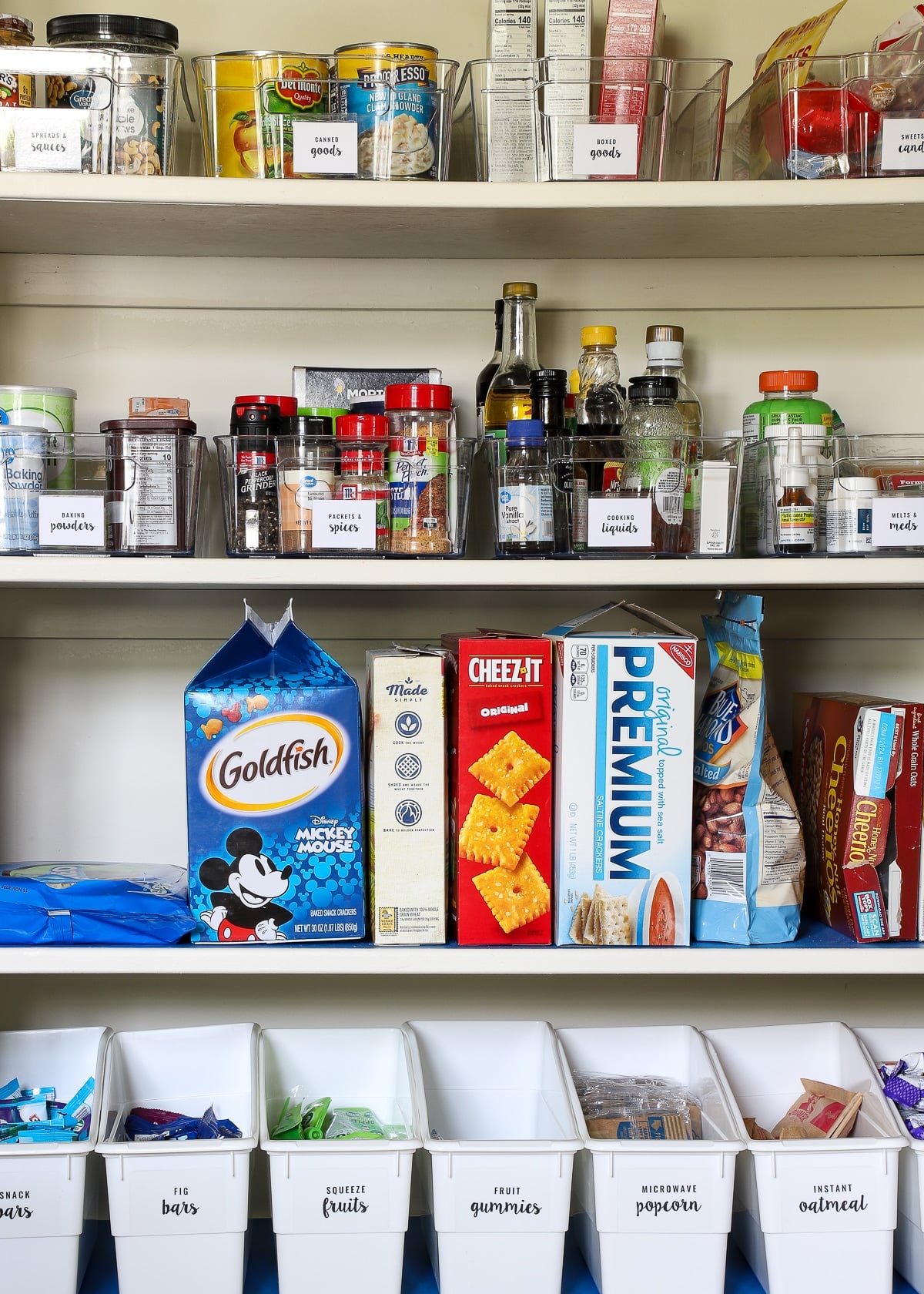
Baskets and bins group similar items together. They keep small packages from falling over. Clear bins let you see contents without opening them. Use labeled baskets for easy identification. This system keeps the pantry neat and organized.
Maintaining Pantry Organization
Keeping your pantry organized takes effort every day. It needs care to stay neat and useful. Small habits can make a big difference. Regular attention stops mess and waste. You save time and money this way.
Regular Cleaning Schedule
Clean your pantry often. Remove expired items and crumbs. Wipe shelves with a damp cloth. Check corners and containers for spills. This keeps pests away and shelves fresh. Set a day each month to clean thoroughly.
Restocking Strategies
Restock items in an orderly way. Place new goods behind older ones. Use the first-in, first-out method. This helps use food before it spoils. Buy only what you need. Avoid overfilling shelves to keep space clear.
Tracking Inventory Levels
Keep track of what you have. Use a simple list or app. Note down items as they run low. Check your list before shopping. This stops buying duplicates. It saves money and reduces clutter.
:max_bytes(150000):strip_icc()/organized-pantry-0qGo0EYq4A49ZXoFFxrpR3-0921-1222-1adec4d6086d48ee9e48a8790d4d943f-2aae3d913d8642afabd04b317e9dbb46.jpg)
Credit: www.marthastewart.com
Smart Tips For Small Pantries
Small pantries need smart solutions to make the most of limited space. Organizing a small pantry helps you find items quickly and keeps food fresh. Simple changes can create a neat and functional area.
Try these smart tips to improve your small pantry’s storage and usability.
Utilizing Door Storage
Use the inside of your pantry door for extra storage. Install racks or hooks to hold spices, snacks, or small jars. This keeps frequently used items easy to reach. Door storage frees up shelf space for bigger items.
Stackable Containers
Stackable containers save space and keep food organized. Choose clear containers to see contents at a glance. Label containers for quick identification. Stack them by size or type to create neat rows and avoid clutter.
Creative Space-saving Ideas
Think vertical by adding extra shelves or tiered racks. Use baskets or bins to group similar items together. Consider pull-out drawers for deep shelves. Use slim, tall containers for pasta or grains. Every inch counts in a small pantry.
Frequently Asked Questions
What Is The Easiest Way To Organize A Pantry?
The easiest way to organize a pantry is by grouping similar items together. Use clear containers and labels for quick identification. Keep frequently used items at eye level. Regularly declutter expired or unused products to maintain order and efficiency.
How Can I Maximize Pantry Storage Space?
Maximize pantry storage by using vertical space with shelves or stackable bins. Utilize door racks for small items. Invest in adjustable shelving to fit various container sizes. Keep heavy items on lower shelves and lighter ones higher for safety and accessibility.
What Pantry Organization Tools Work Best?
The best pantry tools include clear storage bins, lazy Susans, tiered shelves, and airtight containers. Labels help identify contents quickly. Drawer organizers and stackable baskets also optimize space. These tools keep your pantry tidy and make food easy to find.
How Often Should I Organize My Pantry?
Organize your pantry every 3 to 6 months to keep it tidy and functional. Regular checks prevent expired food buildup. Reassess storage systems during each organization to improve efficiency. This routine helps maintain cleanliness and reduces food waste.
Conclusion
Organizing your pantry makes cooking easier and saves time. Keep items grouped by type for quick access. Use clear containers to see what you have at a glance. Label shelves or bins to avoid confusion. Regularly check expiration dates and toss old products.
A neat pantry reduces stress and helps plan meals better. Start small and build your system step by step. A well-organized pantry brings order to your kitchen space. Simple habits keep your pantry tidy for months ahead.