Have you ever opened your kitchen cabinets only to find them overflowing with stuff you barely use? It can feel frustrating when your kitchen space is taken over by items you didn’t expect.
Knowing exactly what takes up the most room can help you take control and create a kitchen that works for you. You’ll discover the common kitchen items that eat up the most space and simple ways to manage them. Keep reading—your kitchen will thank you.
Credit: www.global-market-surfer.com
Bulky Appliances
Bulky appliances take up the most space in kitchens. These items are large and often heavy. They can fill counters, cabinets, or floors. Knowing which appliances are the biggest can help you plan your kitchen better. Also, smart storage ideas keep your kitchen neat and open.
Common Large Appliances
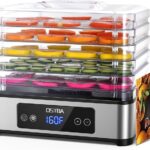
Refrigerators are one of the largest kitchen appliances. They need a lot of room for doors to open fully. Ovens and ranges also occupy significant space. Dishwashers often sit under the counter but still take up width. Microwaves can be bulky when placed on the countertop. Stand mixers and slow cookers add to the clutter if left out. These appliances are necessary but can crowd your kitchen.
Storage Tips For Appliances
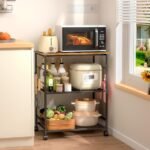
Store bulky appliances in cabinets or pantries when not used. Use pull-out shelves for easy access. Stack smaller items inside larger ones if possible. Keep frequently used appliances on the counter for convenience. Use appliance garages to hide items but keep them handy. Declutter regularly by removing unused appliances. Clear space keeps your kitchen organized and functional.

Credit: www.amazon.com
Cookware And Bakeware
Cookware and bakeware take up a large part of kitchen storage. These items are essential for cooking and baking daily meals. They come in many shapes and sizes. Understanding which ones use the most space helps organize your kitchen better.
Pots And Pans
Pots and pans are bulky and hard to stack. Large pots for soups and stews consume a lot of space. Frying pans and skillets also add up because of their wide surfaces. Different sizes mean they cannot always nest inside each other. This often leads to cluttered cabinets or crowded shelves.
Baking Sheets And Trays
Baking sheets and trays are flat but wide. They are usually stored vertically or stacked. This requires a lot of room in cabinets or drawers. Multiple trays of different sizes take up more space than expected. Their shape makes them difficult to fit with other kitchen tools.
Food Storage Containers
Food storage containers can take up a lot of kitchen space. They come in many shapes, sizes, and materials. Many people have too many containers that do not fit well. Organizing them can save a lot of room and make the kitchen look neat.
Choosing the right type of container can also affect space use. Storing containers efficiently helps keep kitchen shelves and cupboards tidy. Small changes in how you store containers make a big difference.
Plastic Vs Glass Containers
Plastic containers are light and usually less expensive. They come in many sizes and are easy to stack. However, plastic may stain or absorb smells over time. It can also warp in the microwave.
Glass containers are heavier but more durable. They do not stain or hold odors. Glass is safe for microwave and dishwasher use. Clear glass makes it easy to see the food inside. They often come with airtight lids to keep food fresh longer.
Choosing between plastic and glass depends on your needs. Glass containers save space because they can stack tightly and last longer. Plastic containers might take up more space if they warp or lose lids.
Stacking And Nesting Strategies
Stack containers by size to save space. Place larger containers at the bottom and smaller ones on top. Use containers with flat lids for better stacking.
Nesting means placing smaller containers inside bigger ones. Remove lids first to nest containers smoothly. Keep lids in a separate box or container to avoid clutter.
Use drawer dividers or bins to keep containers organized. Group containers by shape or use to find them quickly. These habits reduce mess and free up kitchen space.
Pantry Staples
Pantry staples take up a large portion of kitchen space. These are essential items you use daily or weekly. Proper storage helps keep your pantry neat and accessible. Organizing pantry staples saves time and reduces waste.
Bulk Food Packages
Buying bulk saves money and reduces shopping trips. Large bags of rice, flour, or beans can fill up shelves quickly. Store bulk items in clear containers to save space. Stack containers to maximize vertical space. Label each container with contents and expiration dates. Use airtight containers to keep food fresh longer.
Organizing Spices And Dry Goods
Spices and dry goods often clutter kitchen shelves. Use small jars or containers for spices. Arrange them in racks or drawer inserts for easy access. Group similar items together, like herbs or baking ingredients. Clear containers help identify contents quickly. Regularly check for expired spices and dry goods.
Dinnerware And Glassware
Dinnerware and glassware take up a large part of kitchen storage. They include plates, bowls, glasses, and mugs. These items are used daily and often come in sets. Their shapes and sizes affect how much space they occupy. Organizing them well can save room and keep the kitchen tidy.
Plates And Bowls
Plates and bowls stack easily but still take up space. Dinner plates are usually large and flat. Salad plates and dessert plates are smaller but add to the total count. Bowls vary in size for soup, cereal, or mixing. They can nest inside each other to save space. Heavy or thick dishes use more room than thin ones. Consider how many you really need on hand.
Glasses And Mugs
Glasses and mugs also fill kitchen cabinets quickly. Glasses differ in height and width. Tall glasses need more vertical space. Mugs often have handles, which make stacking tricky. This can cause wasted space between items. Group similar shapes together to maximize storage. Store less-used items separately to free up daily-use space.
Kitchen Tools And Gadgets
Kitchen tools and gadgets often take up the most space in a kitchen. These items include everything from small appliances to various utensils. They are essential for cooking but can clutter the kitchen if not stored well. Proper organization helps keep the kitchen neat and more functional.
Small Appliances
Small appliances like blenders, toasters, and coffee makers use a lot of countertop space. They are heavy and not easy to move often. Storing them on counters can limit workspace and make the kitchen look messy. Many small appliances can be stored in cabinets or on shelves when not in use. This frees up counters and keeps the kitchen tidy.
Utensil Storage Ideas
Utensils such as spatulas, ladles, and whisks also take up space. Keeping them in a drawer can cause clutter and make it hard to find what you need. Using utensil holders or wall-mounted racks saves drawer and counter space. Drawer dividers help keep utensils organized and easy to access. These ideas reduce clutter and improve kitchen efficiency.
Maximizing Vertical Space
Maximizing vertical space is an excellent way to free up your kitchen counters and cabinets. Utilizing the height of your kitchen lets you store more without clutter. This approach makes the kitchen feel bigger and more organized. You can keep everyday items within reach and rarely used things higher up.
Wall-mounted Storage
Wall-mounted storage uses empty wall space effectively. Hooks, shelves, and magnetic strips hold pots, pans, and knives. This method keeps counters clear and tools easy to grab. It also adds visual interest and can make your kitchen look modern. Mount spice racks or small baskets to keep ingredients close. The key is to arrange items by use and size for easy access.
Overhead Racks
Overhead racks hang from the ceiling to store bulky cookware. They make use of space above islands or work areas. Large pots and pans fit well and stay out of the way. This storage style frees up cabinet room for other kitchen items. Choose racks with sturdy hooks and a strong frame. Overhead racks add charm and give kitchens a professional feel.

Credit: www.californiaclosets.com
Creative Storage Solutions
Kitchen space often fills up fast with pots, pans, and appliances. Creative storage solutions help make the most of every inch. These smart ideas keep kitchens tidy and easy to use. They save space and reduce clutter.
Pull-out Shelves
Pull-out shelves slide out for easy access to items. They allow you to reach things in the back quickly. These shelves fit inside cabinets or under counters. They help organize pots, pans, and pantry goods. Pull-out shelves prevent stacking and make items visible.
Drawer Organizers
Drawer organizers separate utensils and small kitchen tools. They keep forks, knives, and spoons neatly arranged. These organizers also hold gadgets like peelers and measuring spoons. Drawer organizers save space by using the drawer fully. They make cooking faster by keeping tools easy to find.
Frequently Asked Questions
What Kitchen Items Occupy The Most Space?
Large appliances like refrigerators, ovens, and dishwashers take up the most kitchen space. Pots, pans, and bulky cookware also consume significant storage areas. These items are essential but require thoughtful organization to maximize kitchen efficiency.
Which Kitchen Tools Are Space-saving Essentials?
Compact tools like hand mixers, nesting bowls, and stackable containers save space. Multi-purpose gadgets reduce clutter and free up counter and cabinet areas. Choosing versatile items helps maintain a tidy kitchen without sacrificing functionality.
How Can I Store Bulky Cookware Efficiently?
Use vertical storage, pot racks, or deep drawers to store bulky cookware. Hanging pots and pans frees up cabinet space and keeps them accessible. Organizing by size and frequency of use also improves kitchen space management.
Do Kitchen Appliances Impact Countertop Space?
Yes, appliances like coffee makers, toasters, and blenders often occupy valuable countertop space. Limiting countertop appliances to daily essentials helps maintain a clutter-free kitchen. Store less frequently used appliances in cabinets to free up counters.
Conclusion
Big kitchen items like appliances and pots take up the most space. They need the most room to store and use. Smaller tools and utensils fit easier in drawers and shelves. Knowing which items take more space helps you organize better.
Clear spaces make cooking easier and more enjoyable. Plan your kitchen layout with space in mind. Keep only what you really use. A neat kitchen saves time and reduces stress. Simple steps lead to a tidy, functional kitchen.