When you step into your kitchen, does it make cooking feel easy and enjoyable? Or do you find yourself frustrated, searching for tools or struggling with clutter?
A functional kitchen isn’t just about having a nice space—it’s about having everything you need right where you need it. Imagine preparing meals with everything at your fingertips, making cooking faster, smoother, and even fun. You’ll discover the key elements that turn an ordinary kitchen into a highly functional one.
Ready to transform your kitchen into a space that works perfectly for you? Let’s dive in.

Credit: cornerrenovation.com
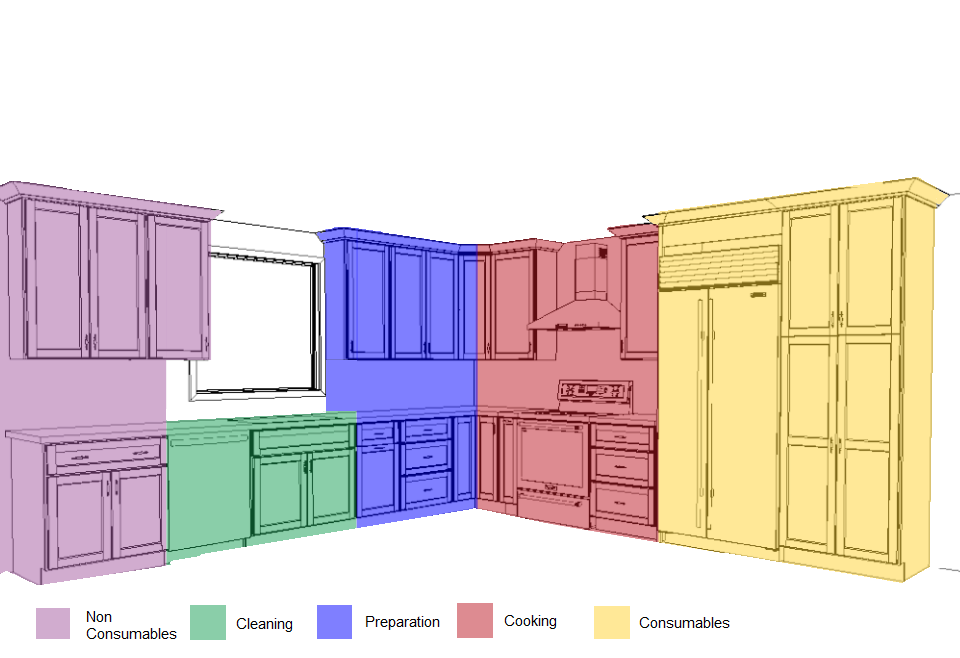
Key Kitchen Zones
A functional kitchen is organized into key zones. Each zone serves a specific purpose. This helps cooking and cleaning run smoothly. It also saves time and effort. Understanding these zones is essential for an efficient kitchen layout.
Cooking Area
The cooking area includes the stove, oven, and microwave. It is the heart of the kitchen. Keep pots, pans, and cooking utensils nearby. This zone should have good lighting and ventilation. Safety is important, so keep flammable items away.
Preparation Space
Preparation space is where you chop, mix, and assemble meals. A clear countertop works best. Keep knives, cutting boards, and mixing bowls close. This area should be clean and clutter-free. It helps speed up meal prep and reduces mess.
Cleaning Zone
The cleaning zone has the sink, dishwasher, and trash bin. It is where dishes and utensils get cleaned. Store dish soap, scrubbers, and towels nearby. Good drainage and easy access to water are key. Keep this area tidy to avoid odors and pests.
Storage Solutions
Storage solutions include cabinets, drawers, and the pantry. Store dry goods, spices, and kitchen tools here. Use clear containers and labels for easy finding. Organize items by frequency of use. This keeps the kitchen neat and efficient.
Essential Appliances
Essential appliances form the backbone of a practical kitchen. They help prepare, store, and clean food efficiently. Choosing the right appliances saves time and effort. Each appliance serves a key role in daily cooking and cleanup.
Stove And Oven
The stove and oven are vital for cooking meals. The stove heats pots and pans quickly. It allows you to boil, fry, or simmer food. The oven bakes, roasts, and broils with even heat. Together, they handle most cooking tasks easily.
Refrigerator
A refrigerator keeps food fresh and safe. It slows down spoilage by keeping food cold. Most kitchens need a fridge with enough space for groceries. Some have freezers to store frozen foods. A good fridge helps reduce food waste.
Dishwasher
The dishwasher cleans dishes faster than washing by hand. It saves water and energy too. Loading and unloading are simple and quick. Dishwashers keep your kitchen tidy and reduce chores. Many models offer different cleaning cycles for all needs.
Microwave
The microwave reheats food quickly and easily. It defrosts frozen meals safely without cooking edges. Microwaves are great for snacks and small dishes. They save time and are simple to use. A microwave is a handy tool for busy kitchens.
Must-have Tools
A functional kitchen needs the right tools for cooking and preparing food. These tools save time and make tasks easier. Choosing quality tools helps create meals with less effort. The basics include knives, cutting boards, measuring tools, bowls, and utensils. Each item has a specific role in the kitchen.
Knives And Cutting Boards
Sharp knives are essential for cutting fruits, vegetables, and meat. A chef’s knife, paring knife, and serrated knife cover most needs. Cutting boards protect counters and keep food safe. Use separate boards for raw meat and vegetables to avoid germs. Choose boards made of wood or plastic for easy cleaning.
Measuring Tools
Measuring cups and spoons ensure recipes turn out right. Use dry measuring cups for flour and sugar. Liquid measuring cups work well for water, oil, and milk. Measuring spoons help add small amounts of spices and baking powder. Accurate measuring stops cooking mistakes.
Mixing And Prep Bowls
Mixing bowls are needed for combining ingredients. Choose bowls in different sizes for various tasks. Stainless steel or glass bowls are durable and easy to clean. Use prep bowls to organize chopped vegetables or measured spices. These bowls keep your workspace tidy.
Utensils And Gadgets
Basic utensils include spatulas, wooden spoons, and tongs. These tools help stir, flip, and serve food. A whisk is useful for mixing sauces and batters. Peelers, graters, and can openers make prep quicker. Having these gadgets on hand speeds up cooking.
Storage Essentials
Storage plays a key role in a functional kitchen. It keeps the space tidy and helps find items quickly. Good storage solutions reduce clutter and make cooking easier. Organizing your kitchen storage well saves time and effort every day.
Cabinets And Drawers
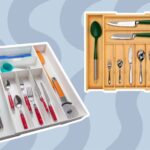
Cabinets and drawers store pots, pans, and utensils. Choose deep drawers for heavy items. Use cabinets with adjustable shelves for flexible storage. Soft-close hinges add smoothness and prevent noise. Organize items by frequency of use for easy access.
Pantry Organization
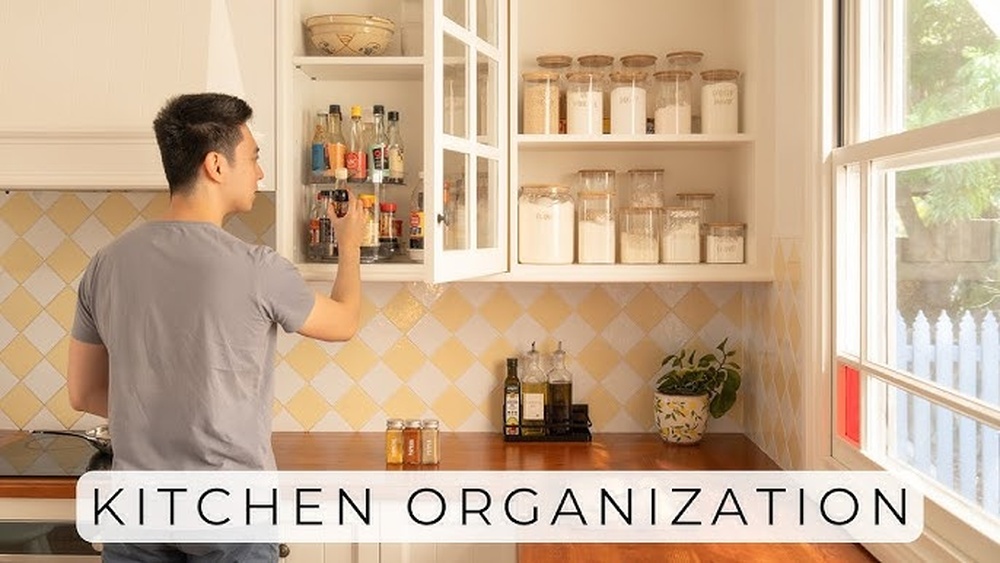
A well-organized pantry holds dry goods and snacks neatly. Use clear containers to see contents at a glance. Label shelves or bins for quick identification. Group similar items together, like baking supplies or canned goods. Keep the pantry clean and check for expired items often.
Spice Racks
Spice racks make spices easy to find and use. Choose wall-mounted or drawer spice racks to save counter space. Arrange spices alphabetically or by type for faster cooking. Clear jars help identify spices quickly. Tight lids keep spices fresh longer.
Food Storage Containers
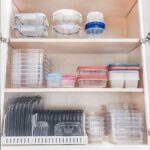
Food storage containers keep leftovers fresh and organized. Use stackable, clear containers for space-saving storage. Different sizes help store various food amounts. Airtight containers prevent spills and keep food safe. Label containers with dates to avoid waste.
Lighting And Ventilation
Lighting and ventilation play a key role in making a kitchen functional. Good lighting helps you see clearly while cooking or cleaning. Proper ventilation keeps the air fresh and removes cooking smells and smoke. Both improve comfort and safety in the kitchen.
Task Lighting
Task lighting focuses light on specific work areas. It helps you chop vegetables or read recipes easily. Under-cabinet lights are a popular choice. They shine directly on countertops and reduce shadows. Bright, focused lights prevent mistakes and accidents.
Ambient Lighting
Ambient lighting fills the entire kitchen with soft, even light. It creates a warm and welcoming space. Ceiling lights or pendant lamps work well for this. Ambient light helps you move around safely. It also sets the kitchen’s mood and atmosphere.
Range Hoods
Range hoods remove smoke, steam, and cooking odors. They improve air quality and keep the kitchen clean. A good range hood has a strong fan and easy-to-clean filters. It also includes built-in lights to brighten the stove area. This tool is a must-have for any cooking space.
Windows And Airflow
Windows bring natural light into the kitchen. They also allow fresh air to flow through. Open windows reduce heat and cooking smells. Cross-ventilation, with windows on opposite walls, works best. Good airflow improves comfort and helps prevent mold and moisture build-up.
Credit: www.apuzzokitchens.com
Safety And Accessibility
Safety and accessibility are key in any functional kitchen. They protect everyone and make cooking easier. A safe kitchen helps prevent accidents like fires and cuts. Accessibility means everything is easy to reach and use.
Fire Safety Tools
Every kitchen needs fire safety tools. A fire extinguisher should be close and easy to grab. Smoke detectors alert you early if a fire starts. Keep a fire blanket nearby to smother small flames. These tools reduce damage and keep you safe.
Ergonomic Layout
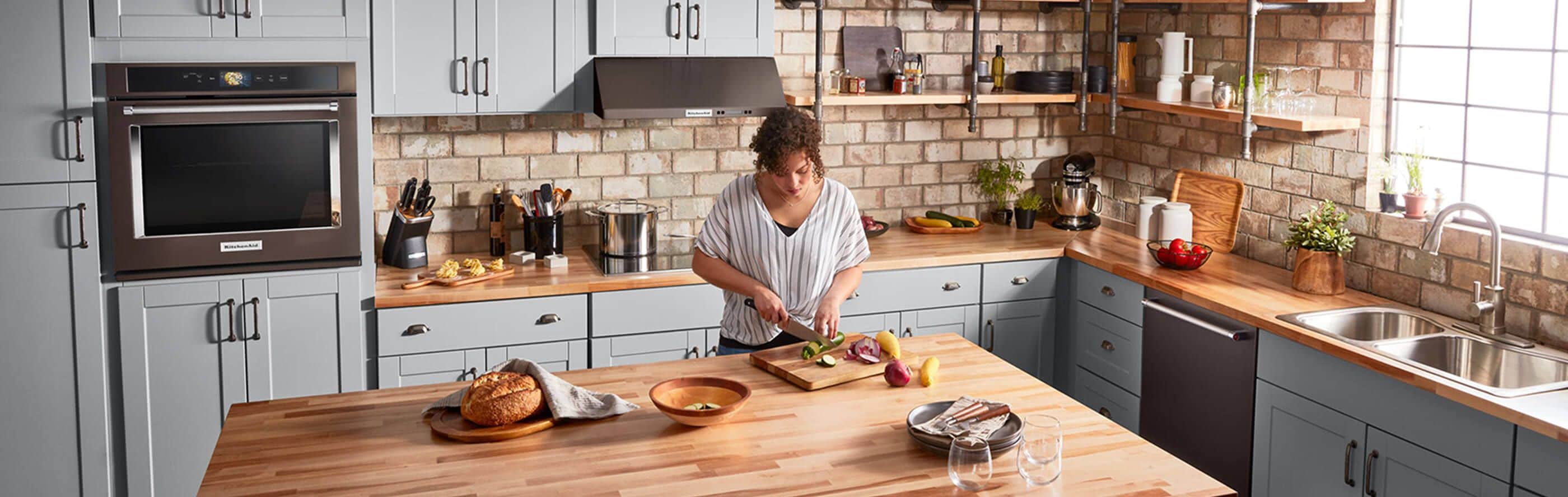
An ergonomic layout reduces strain while cooking. Place the sink, stove, and fridge near each other. This setup saves steps and time. Counters at a good height prevent back pain. Use mats to soften hard floors and protect feet.
Childproofing Tips
Childproofing keeps little ones safe in the kitchen. Use stove knob covers to stop burns. Store knives and sharp tools out of reach. Lock cabinets with cleaning supplies and chemicals. Teach kids about kitchen dangers early on.
Easy-to-reach Storage
Easy-to-reach storage makes cooking smooth and fast. Store daily items like spices and utensils close at hand. Use pull-out shelves and drawer organizers for better access. Avoid stacking heavy things on high shelves. This way, you find what you need quickly.
Credit: www.kitchenaid.com
Frequently Asked Questions
What Are The Essential Features Of A Functional Kitchen?
A functional kitchen includes efficient storage, ample counter space, and quality appliances. Proper lighting and ergonomic design also enhance usability and comfort while cooking and cleaning.
How To Optimize Kitchen Storage For Functionality?
Maximize vertical space with shelves and cabinets. Use drawer organizers and pull-out racks. Store frequently used items within easy reach for convenience and efficiency.
Why Is Kitchen Layout Important For Functionality?
A good kitchen layout improves workflow and reduces movement. It places key areas like sink, stove, and fridge in a practical triangle, enhancing cooking efficiency and safety.
What Role Does Lighting Play In A Functional Kitchen?
Proper lighting ensures safety and precision when preparing food. Combine ambient, task, and accent lighting for a well-lit, inviting, and practical kitchen environment.
Conclusion
A functional kitchen makes cooking easier and more enjoyable. It needs smart storage, good lighting, and useful appliances. Clear counters give space to work and prepare meals. Keeping things organized saves time every day. Comfort matters too, so choose tools you like.
A well-planned kitchen fits your habits and needs. It helps you cook faster and cleaner. Simple changes can make a big difference. A kitchen that works well invites creativity and fun. It becomes the heart of your home.