If you are asking **why drain smells bad**, the answer is often simple. A drain can trap hair, soap, food bits, grease, and other waste. Over time, this material can break down and create a foul smell.
The good news is that many drain odors have a clear cause and a simple fix. The key is to find where the smell starts instead of only masking it with a spray or air freshener. This guide explains **why drain smells bad**, what you can safely try at home, and when the odor may signal a plumbing issue.

Why Does a Drain Smell Bad?
A drain smells bad when organic waste or other material sits in a damp place and starts to break down. Bacteria can grow on this buildup and release unpleasant odors. In some cases, the smell does not come from the drain itself but from the plumbing below it.
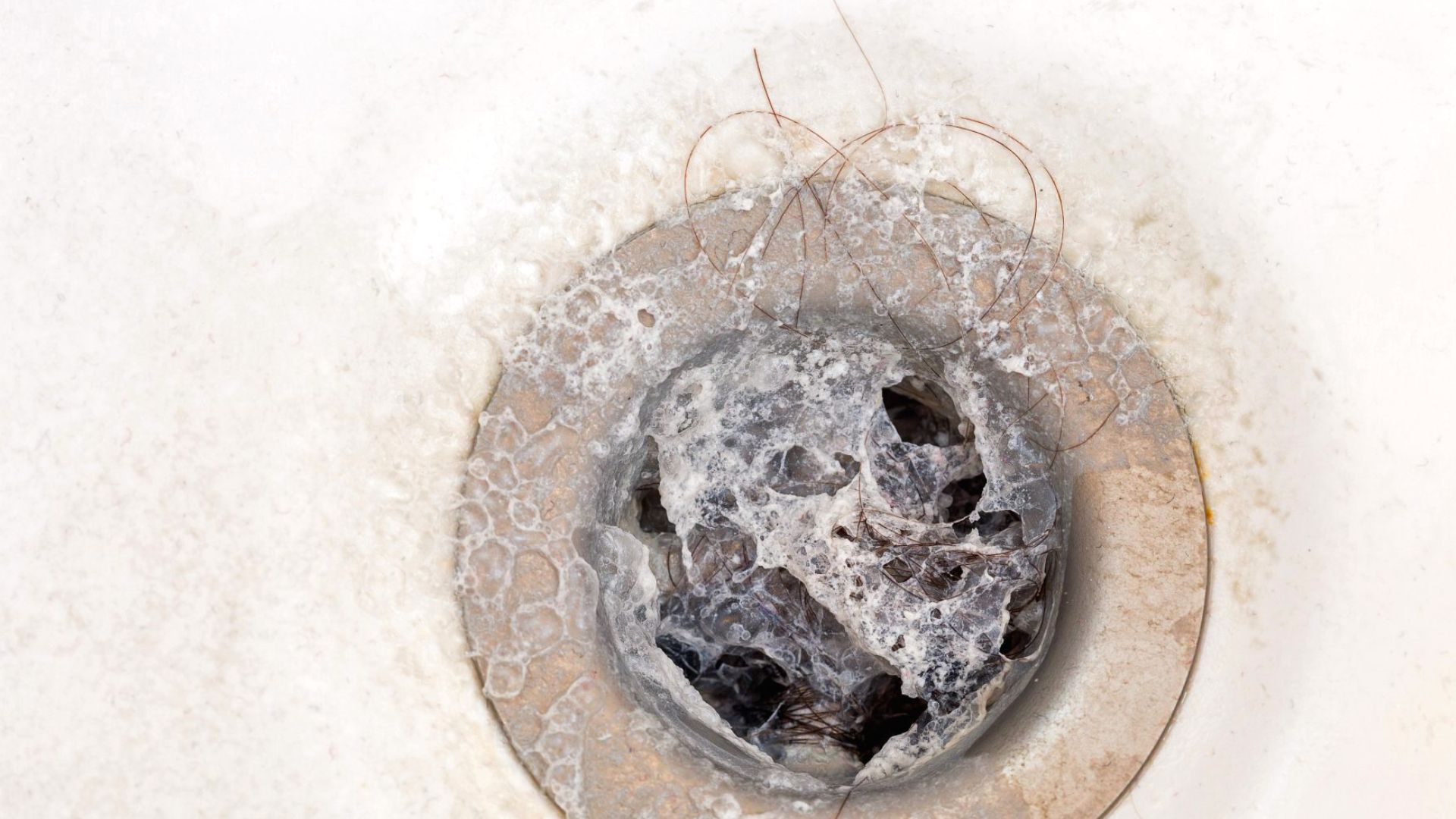
One of the most common reasons **why drain smells bad** is a dirty drain opening or pipe wall. Hair, soap, skin oils, food, and grease can stick to the inside of a pipe. Water may still flow, but the buildup can smell foul.
Another common cause is a problem with the **P-trap**. This curved section of pipe holds water and helps block sewer gases from entering your home. If the trap dries out, gets dirty, or has a plumbing fault, odors can move into the room.
- ✦ Organic buildup
Hair, soap, food, grease, and other waste can collect inside a drain and create odors as they break down.
- ✦ Dry P-trap
A drain that is rarely used may have a dry trap. Without water in the trap, sewer gases can enter the room.
- ✦ Sewer gas
A rotten-egg or sewage-like smell can come from gases that enter through a faulty trap, vent, seal, or drain connection.
- ✦ Partial clog
A partial blockage can hold dirty water and waste in the pipe, which may lead to both slow drainage and bad smells.
What Does a Bad Drain Smell Like?
The smell can give you a useful clue. A musty or sour smell often points to organic buildup. A rotten-egg or sewage smell can suggest sewer gas, while a greasy smell is common around kitchen drains.
These clues do not prove the cause. Plumbing systems vary, and more than one problem can exist at the same time.
- ✦ Rotten egg
This may indicate sewer gas or decaying organic matter. Persistent sewer-like odors deserve extra attention.
- ✦ Musty or sour
This often points to bacteria and organic material growing on wet buildup inside the drain.
- ✦ Greasy
A greasy smell is common when cooking oils, fats, and food residue collect in a kitchen drain.
Common Reasons Why Bathroom Drains Smell Bad
Bathroom drains deal with hair, soap, shampoo, skin oils, and dirt every day. These materials can stick to the drain and form a slimy layer. That layer can hold bacteria and produce a bad smell.
If you are wondering **why drain smells bad** in a shower or bathroom sink, start with the drain cover and the first part of the pipe. Remove visible hair and grime before trying a deeper cleaning method.
A bathroom drain can also smell bad after a long period without use. This is common in guest bathrooms, spare showers, basement sinks, and vacation homes. The water in the P-trap can slowly evaporate, leaving an open path for sewer gases.
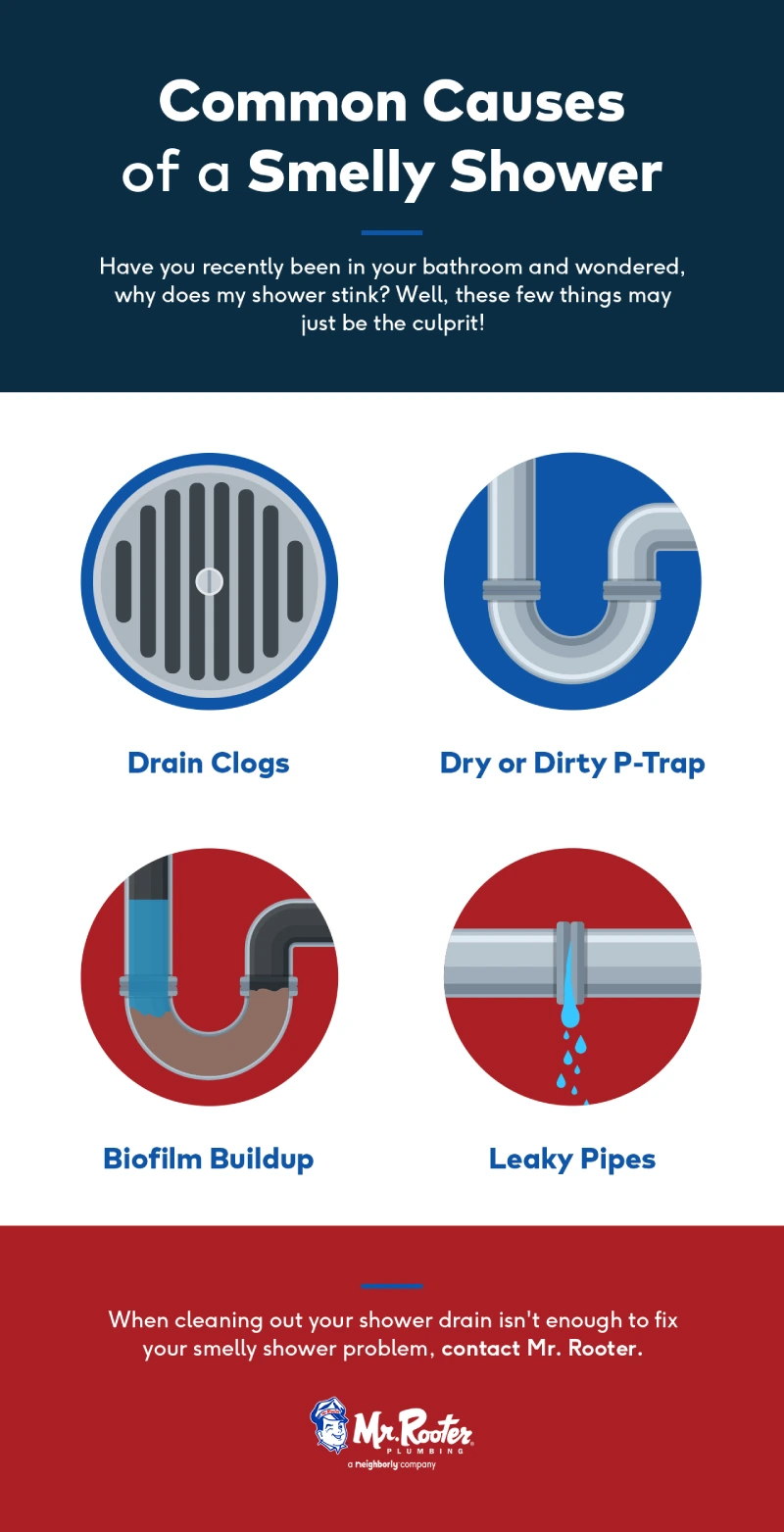
- ✦ Hair and soap scum
Hair can catch soap and dirt. The resulting buildup can become a damp source of odor.
- ✦ Dry trap
A rarely used drain may lose the water that normally blocks sewer gas.
- ✦ Biofilm
A thin layer of bacteria and organic material can form on wet pipe surfaces and create a musty smell.
- ✦ Drain overflow area
Bathroom sinks may have an overflow channel that can collect grime. Cleaning only the main drain may not remove this hidden odor source.
Why Does My Shower Drain Smell Bad?
A shower drain often smells bad because hair and soap collect below the cover. Shower water also carries skin oils and dirt into the pipe. If this material stays wet, bacteria can feed on it and create odor.
If the smell returns soon after cleaning, check the trap and drainage system. A repeated sewage smell may need a plumber to inspect the trap, vent, or drain connection.
- ✦ Start at the drain cover
Remove visible hair and slime from the cover and nearby drain opening.
- ✦ Check water flow
Slow drainage can point to a buildup that needs more than surface cleaning.
Why Kitchen Drains Smell Bad
Kitchen drains face a different mix of waste. Food scraps, cooking oils, fats, sauces, and drink residue can enter the sink. Grease can stick to the pipe walls and trap other food particles.
This is another common answer to **why drain smells bad**. Even when a kitchen sink drains well, a layer of food and grease can remain inside the pipe. That residue can create a strong odor over time.
Garbage disposals can also collect food waste. The rubber splash guard and the area beneath it may hold small particles. If you have a disposal, clean it according to the manufacturer’s instructions rather than relying only on the drain opening.

- ✦ Grease and fat
Cooking grease can coat pipes and hold food particles. Do not pour large amounts of grease down the drain.
- ✦ Food residue
Small food particles can settle in the drain or disposal and begin to smell as they break down.
- ✦ Garbage disposal buildup
A disposal can hold food residue under its splash guard or around internal surfaces.
- ✦ Dishwasher connection
Food residue or a drainage setup issue near the dishwasher connection can sometimes contribute to a bad kitchen odor.
How to Reduce Kitchen Drain Odors
Scrape food into the trash or compost before washing dishes. Use a sink strainer to catch small food particles. Wipe greasy pans with a paper towel before washing them.
For a disposal, follow the care instructions for your specific model. Never put your hand into a garbage disposal, even when the unit is switched off.
- ✦ Use a strainer
A simple sink strainer can keep food scraps out of the drain.
- ✦ Wipe grease first
Removing grease with a paper towel helps reduce sticky buildup inside the plumbing.
How to Get Rid of a Smelly Drain Safely
Once you know **why drain smells bad**, you can choose a cleaning method that fits the problem. Start with simple physical cleaning. Remove visible debris, rinse the drain, and clean the drain cover.
For many household drains, hot water can help loosen some soap and grease. However, very hot water is not suitable for every plumbing setup, fixture, or pipe material. Follow the care guidance for your plumbing and fixtures.
Be careful with chemical drain cleaners. Never mix different drain products, bleach, ammonia, or other household chemicals. Mixing cleaning products can create dangerous fumes or reactions.
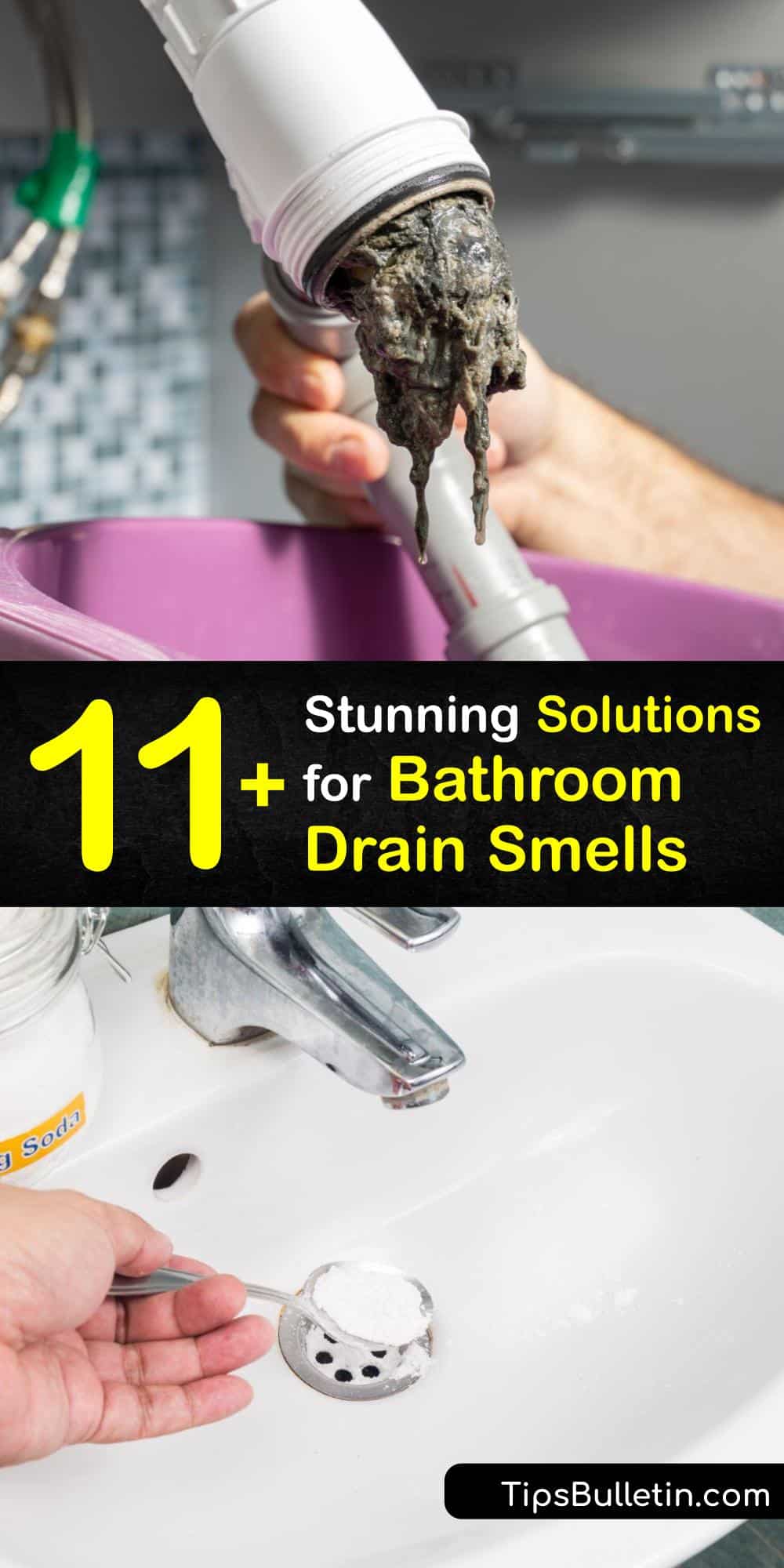
- ✦ Remove visible debris
Take out hair, food, and slime that you can safely reach without taking apart the plumbing.
- ✦ Clean the drain cover
Wash the cover with household soap and water to remove trapped grime.
- ✦ Flush the drain
Use an appropriate amount of warm or hot water if your fixture and plumbing allow it.
- ✦ Use a plunger when suitable
A plunger can help move some simple blockages. Use the correct type for the fixture and follow safe technique.
- ✦ Clean the P-trap when appropriate
A removable P-trap can hold sludge and debris. If you are comfortable doing this, place a bucket below it and follow safe plumbing steps.
Should You Use Baking Soda and Vinegar?
Baking soda and vinegar are popular home remedies for drain odors. They may help loosen light surface residue, but they are not a guaranteed fix for a blocked drain, a faulty trap, or a sewer problem.
If you use household cleaning products, follow the product label. Do not combine vinegar with bleach or other cleaners. For a persistent odor, finding the cause is more useful than repeatedly treating the smell.
- ✦ Useful for light residue
A mild home treatment may help with some surface grime, but results vary.
- ✦ Not a plumbing repair
Home remedies cannot fix a broken trap, damaged pipe, blocked vent, or failed seal.
How the P-Trap Stops Drain Smells
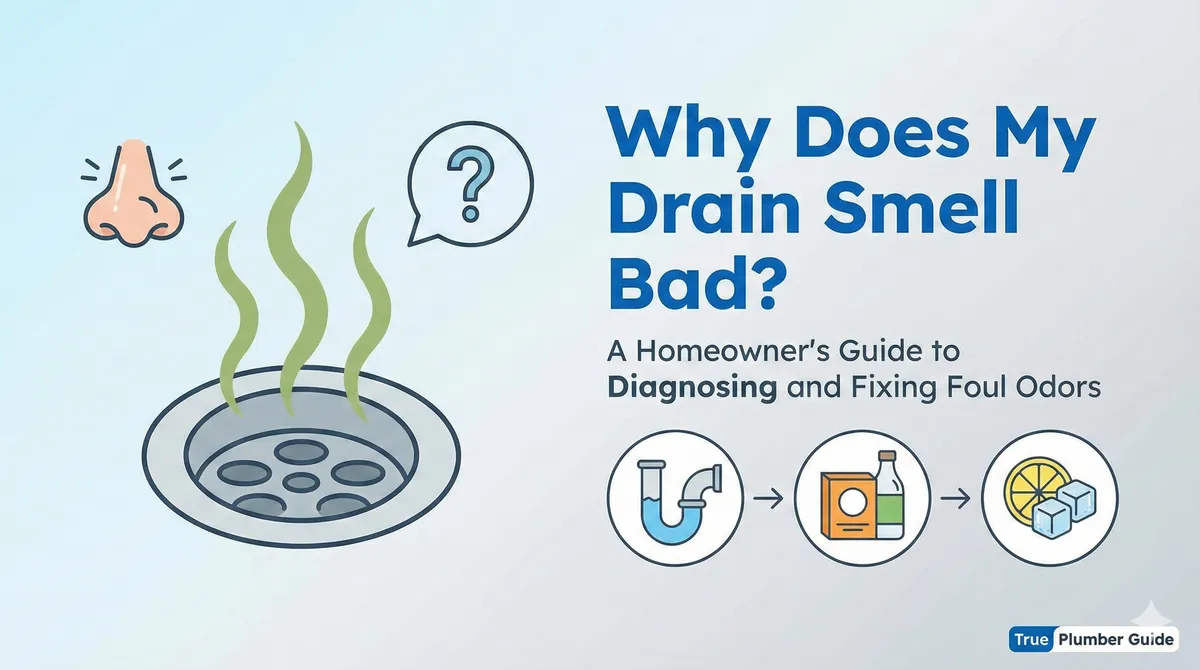
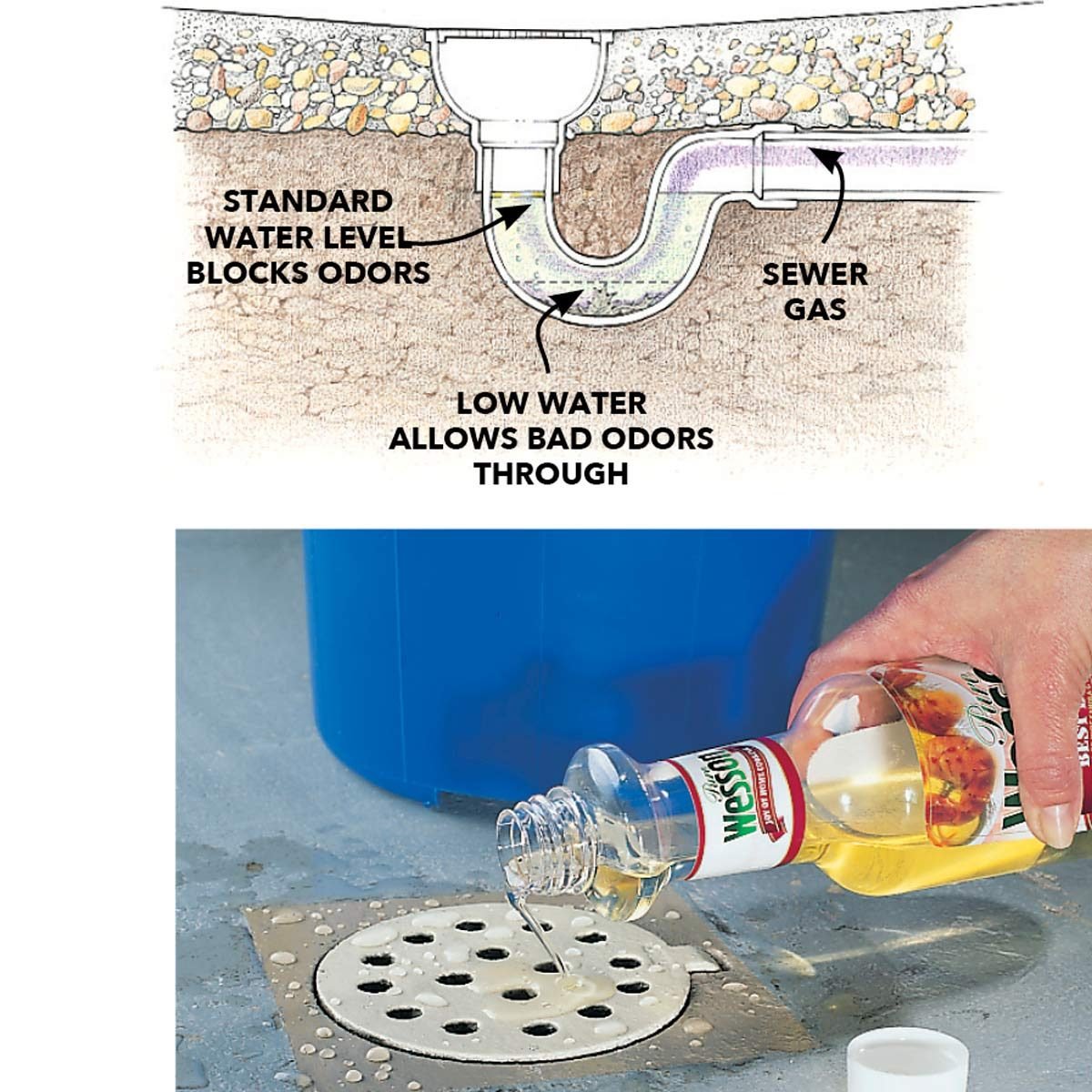
The P-trap is one of the most important parts of a drain system. It is the curved pipe below many sinks, showers, tubs, and other fixtures. A small amount of water stays inside the curve after the fixture drains.
That water forms a barrier between your home and the sewer system. This is why a dry P-trap can explain **why drain smells bad**, especially in a fixture that you rarely use.
If a drain has not been used for weeks or months, run water through it. This can refill the trap and may stop an odor caused by evaporation. If the smell returns quickly, there may be another problem that needs inspection.
- ✦ Rarely used sink
Run water through a rarely used sink from time to time to keep the trap filled.
- ✦ Guest bathroom
Guest bathrooms can develop odors when fixtures sit unused for long periods.
- ✦ Floor drain
A floor drain can also develop an odor if its trap dries out. This can happen in basements, garages, and utility areas.
- ✦ Recurring smell
If adding water only fixes the smell for a short time, the drain may have a deeper issue.
What Is Sewer Gas?
Sewer gas is a mix of gases that can come from wastewater systems. The smell people notice may resemble rotten eggs because hydrogen sulfide can have that odor at low levels.
A sewage-like smell inside a home should not be ignored, especially if it is strong or keeps returning. A plumber can check traps, vents, pipe connections, and seals to find the source.
- ✦ Dry trap
A missing water barrier can let sewer odors enter through a drain.
- ✦ Faulty seal
A damaged or poorly sealed drain connection can allow odors to escape.
- ✦ Vent problem
A blocked or damaged plumbing vent can affect how the drainage system works and may contribute to odors.
When a Bad Drain Smell Means You Need a Plumber
Not every drain odor is a plumbing emergency. Still, some signs point to a problem that basic cleaning will not solve. If you keep asking **why drain smells bad** after cleaning it, look for clues elsewhere in the plumbing system.
A plumber may need to inspect the drain line, P-trap, vent system, seals, or sewer connection. This is especially true when the odor comes with slow drainage, repeated clogs, gurgling, or water backing up.
A strong sewage odor throughout a room or home also deserves prompt attention. If you feel unwell, become dizzy, or have trouble breathing around a strong chemical or sewage odor, move to fresh air and seek appropriate help.

- ✦ The smell keeps returning
A recurring odor after cleaning may indicate a deeper buildup, trap issue, vent issue, or drain connection problem.
- ✦ Multiple drains smell
Odors from several fixtures can point to a broader drainage or sewer system problem.
- ✦ Slow drainage
A bad smell combined with slow flow may indicate a partial blockage.
- ✦ Gurgling sounds
Gurgling can occur when air and water do not move through the drainage system normally.
- ✦ Sewage backup
Wastewater backing up into a fixture is a reason to stop using the affected plumbing and seek professional help.
- ✦ Strong sewage odor
A persistent sewage smell may involve sewer gas or a plumbing fault and should be checked rather than covered with fragrance.
What a Plumber May Check
A professional can check the trap, drain line, vent, seals, and nearby connections. They may also use specialized tools to locate a blockage or leak when the source is not visible.
The right repair depends on the cause. Cleaning may solve a buildup problem, while a damaged pipe, failed seal, blocked vent, or sewer line issue needs a different solution.
- ✦ P-trap
The plumber can check whether the trap holds water and works as intended.
- ✦ Drain line
The drain line can be checked for clogs, buildup, damage, or poor flow.
- ✦ Vent system
The plumbing vent can be checked when airflow or pressure may be affecting drainage.
- ✦ Seals and connections
Loose, damaged, or failed connections can allow sewer odors to enter the home.
How to Prevent Bad Drain Smells
Once you solve **why drain smells bad**, a few simple habits can help keep the odor from coming back. The best approach is to reduce the amount of waste that enters the plumbing and keep drains in regular use.
In the kitchen, keep grease and large food scraps out of the drain. In the bathroom, remove hair from drain covers before it enters the pipe. For drains that are rarely used, running water through them from time to time can help keep the trap filled.
Regular care also helps you spot problems early. A drain that suddenly smells bad, drains slowly, or makes new sounds may be showing an early sign of a blockage or plumbing fault.
- ✦ Use drain strainers
Strainers catch hair and food before they enter the plumbing.
- ✦ Keep grease out
Wipe grease from pans before washing them and dispose of larger amounts in a suitable container.
- ✦ Clean drain covers
Wash drain covers and remove hair and visible buildup on a regular basis.
- ✦ Use rarely needed drains
Run water through seldom-used fixtures to help prevent dry traps.
- ✦ Watch for warning signs
Pay attention to slow flow, gurgling, repeated clogs, standing water, and recurring odors.
- ✦ Avoid chemical mixing
Never mix drain cleaners with bleach, ammonia, vinegar, or other cleaning products unless the product instructions clearly allow it.
A Simple Drain Care Routine
Once a week, check the drains you use most. Remove visible hair and debris from bathroom drain covers. In the kitchen, clean the sink strainer and wipe away grease before it reaches the drain.
Every so often, check less-used sinks, showers, tubs, and floor drains. If an unused drain smells, run water through it. If the odor remains, investigate the plumbing instead of repeatedly adding cleaning products.
- ✦ Weekly
Remove visible hair, food scraps, and grime from drain covers and strainers.
- ✦ Monthly
Check less-used fixtures and look for slow drainage or new odors.
- ✦ As needed
Deal with clogs and recurring smells early instead of waiting for a complete blockage.