In the United States, a wallet may need to hold a driver’s license, payment cards, insurance cards, and cash—all without making your pocket feel bulky. The right men’s wallet fits what you carry, where you carry it, and how you like to pay. Start by sorting your everyday items, then choose a style, material, and size that suit them.

Start With What You Carry
The best way to choose a wallet is to base it on what you use every day—not on how many slots the wallet offers. Take out your current wallet and set aside the cards, cash, and other items you have used in the past week. This simple check helps you avoid buying extra capacity you may never need.
Sort the items into three groups:
- Daily essentials: Your ID, main payment cards, and any card you use often.
- Occasional items: A backup card, insurance card, or a small amount of cash.
- Items to store elsewhere: Old receipts, expired cards, loyalty cards you rarely use, and spare keys.
Count the items you plan to keep in the wallet. Then think about your usual routine. Someone who pays by phone and carries two cards may want a slim cardholder. Someone who uses cash and several cards may need a bifold or another wallet with more room.
Also choose where the wallet will go. A wallet carried in a front pocket often needs to be slim and easy to reach. A wallet carried in a bag can be larger, though it should still be easy to find and use.

Choose a Wallet Style That Matches Your Routine
Wallet styles trade storage space for size and access. Use the table to narrow your options, then check that the wallet fits your actual items.
| Wallet style | Works well for | Main trade-off |
|---|---|---|
| Bifold | Cards and folded cash in a familiar format | Can feel bulky when overfilled |
| Trifold | More card storage in a foldable design | Often thicker when closed |
| Cardholder | A few cards and little or no cash | Limited room for bills and extras |
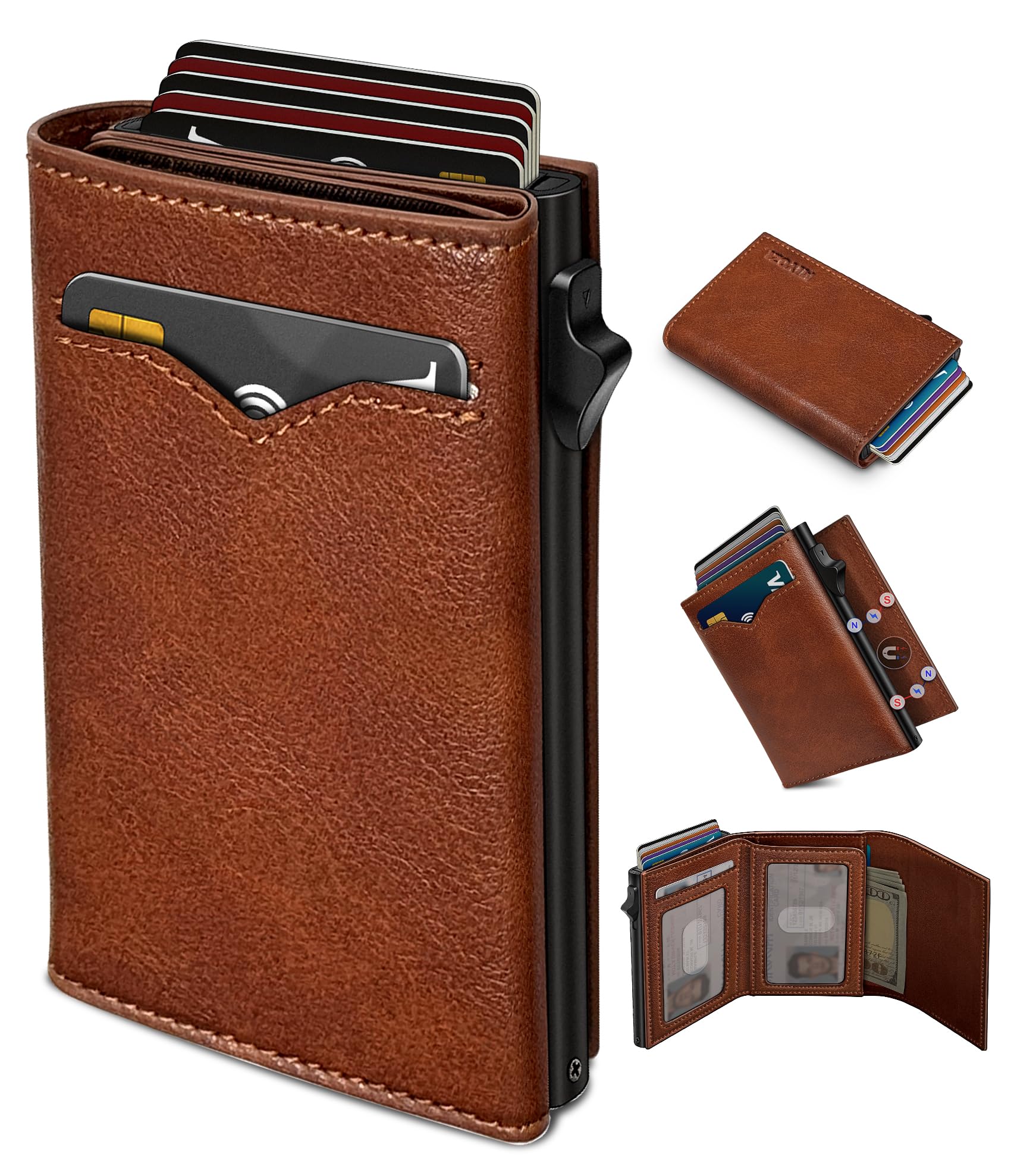
| Money-clip wallet | Cards plus folded cash held by a clip | A clip may feel tight or awkward to use |
| Zip wallet | Items that need a secure closure | The zipper can add bulk and slow access |
A bifold folds once, while a trifold folds twice. Both can hold cards and folded cash. If you carry a lot of cards, compare how thick each wallet feels when loaded; the number of slots alone does not tell you how comfortable it will be.
A cardholder suits a light carry, but check whether it has a cash pocket if you use bills. A money-clip wallet can keep cash in place, though the clip may not suit everyone. A zip wallet helps contain loose items, but the added closure takes up space.

Compare Materials and Build Quality
Wallet materials affect feel, weight, care, and how a wallet may change with use. No material is best for everyone, so weigh its upkeep and feel against your daily needs.
- Leather can feel firm or soft, depending on its type and finish. It may show wear over time, and care needs vary by product. Follow the maker’s care instructions.
- Fabric is often light and flexible. Check the stitching and edges, since those areas take repeated wear.
- Synthetic materials vary widely in feel and performance. Look for clear material details rather than relying on broad claims such as “premium.”
- Metal can offer a firm structure, but it may feel rigid in a pocket. Check the edges and how easily cards slide in and out.
With leather, a label such as “genuine leather” does not tell you everything about the hide, finish, construction, or expected wear. Ask what the material is and how it is made if those details matter to you. For any wallet, inspect the seams, folds, lining, card openings, and closures. Look for loose threads, rough edges, or parts that catch when you use them.

Check Size, Capacity, and Ease of Use
A wallet should fit your usual load without forcing cards or making the wallet hard to close. Test the wallet with the items you plan to carry, if you can. If shopping online, compare the wallet’s listed measurements with a wallet you already find comfortable.
Check these details:
- Closed size: Will it fit the pocket or bag where you plan to carry it?
- Loaded thickness: Does it stay comfortable with your usual cards and cash?
- Card access: Can you remove your main cards without struggling?
- Cash fit: Does the bill pocket hold your cash without awkward folding?
- Pocket comfort: Does the wallet sit well when you sit, walk, or drive?
A wallet’s listed capacity may count every slot, but that does not mean every slot will be comfortable to fill. Overloading a wallet can make it harder to close and may stretch pockets or seams. If you carry more than the wallet handles well, leave rarely used items at home or keep them in a separate holder.

Decide Which Extra Features You Need
Choose features based on a real use, not just because they appear on a product page. Every added pocket, clasp, or layer can increase size or make access slower.
- ID window: Useful if you often show an ID. Check whether you can remove the card easily when needed.
- Coin pocket: Helpful if you carry coins, but it adds space and weight.
- Zipper or snap: Can help keep items contained. Check that it closes smoothly and does not interfere with cards.
- Money clip: Useful if you carry bills and want them held in place. Make sure the clip is easy for you to use.
- RFID-blocking layer: May reduce radio signals reaching compatible contactless cards, but it is not a substitute for account alerts or safe card habits.
Contactless cards use short-range radio communication; EMVCo explains how contactless payments work. Whether an RFID-blocking wallet is useful depends on your cards and preferences. Do not treat an RFID claim as proof that a wallet prevents identity theft or protects every item you carry.

Set a Budget and Check the Buying Terms
Set a budget after deciding on style, size, and material. Compare wallets with similar features, rather than paying more just for a long list of extras. Price alone does not show whether a wallet will suit your routine or hold up to daily use.
Before buying, review the product details and return terms. Check the listed materials, dimensions, care instructions, warranty terms, and whether the return window allows you to test the wallet with your usual items. Terms can differ by seller, so read the policy for the specific item.
If buying in person, load the wallet with the cards and cash you expect to carry. Open and close it, remove your most-used card, and check how it feels in your pocket. If buying online, confirm the measurements and keep the packaging until you know the fit works for you.
Common Wallet-Buying Mistakes
The most common mistake is choosing a wallet by its empty size or slot count alone. A wallet that looks slim in a product photo may feel thick once you fill every pocket. Judge it by the load you will carry, not by its maximum stated capacity.
Other mistakes to avoid:
- Buying more slots than you need: Extra space can encourage clutter.
- Ignoring your carry location: A thick wallet may be uncomfortable in a front pocket.
- Assuming every leather label means the same thing: Check the material description and construction.
- Paying for features you will not use: Extra layers and closures may add bulk.
- Treating RFID blocking as complete security: It does not replace basic care with cards and account details.
If the wallet feels too thick or cards are hard to remove, first take out nonessential items. If it still feels uncomfortable, choose a different shape or a larger wallet that fits your load without strain.

Key Takeaways
- Choose a wallet based on what you carry each day and where you carry it.
- Compare bifolds, trifolds, cardholders, money clips, and zip wallets by their trade-offs.
- Check materials, stitching, size, loaded thickness, and access to your main cards.
- Buy extra features only when they solve a real need.
- Test the wallet with your usual items and review the return terms before buying.
FAQs
Is a bifold or trifold better?
Neither is better for everyone. A bifold folds once and may suit a simple daily carry. A trifold offers another fold and may hold more, but it can feel thicker. Compare both with your usual cards and cash.
How many cards should a men’s wallet hold?
Choose a wallet that fits the cards you use regularly, plus any backup cards you truly need. There is no ideal number for everyone. Carrying fewer cards can help keep the wallet slim.
Should I choose a front-pocket wallet?
A front-pocket wallet can suit someone who wants to carry fewer items or prefers not to keep a wallet in a back pocket. Check its loaded size and make sure you can reach your cards easily.
Is RFID-blocking protection necessary?
It is a personal choice, not a feature every buyer needs. Contactless cards use short-range radio signals, and an RFID-blocking layer may limit those signals. It does not protect against every form of theft or fraud.
How can I make a wallet last longer?
Avoid overfilling it, keep it away from conditions that can damage its material, and follow the maker’s care instructions. Check seams and closures from time to time. Care needs depend on the wallet’s material and finish.
Conclusion
To choose a men’s wallet, start with your daily carry, then match the style and size to your routine. Check the wallet when it is loaded, and pay for extra features only when you will use them. A good fit is one that holds your essentials, feels comfortable, and lets you reach what you need without a struggle.