
If you keep wiping the same shelves, only to see a gray film return a day or two later, you are not imagining it. **Why dust builds up fast at home** has less to do with one cleaning mistake and more to do with how a home works. Dust is a mix of many tiny particles, and your home is always gaining, moving, and settling them.
Indoor dust can include soil, pollen, pet dander, hair, skin flakes, fibers, and particles from cooking and other daily tasks. Outdoor air can also bring dust and other particles through doors, windows, cracks, and other openings. The U.S. Environmental Protection Agency notes that settled indoor dust can be stirred back into the air by walking, cleaning, and other normal activity.
In homes I have seen during cleaning and indoor-air work, the biggest surprise is often the same: **dust control is not just about cleaning more often**. A home with a lot of fabric, poor filtration, active pets, heavy foot traffic, or dusty outdoor air can collect visible dust much faster than a quiet home with hard floors and good filtration.
What Is Household Dust Made Of?
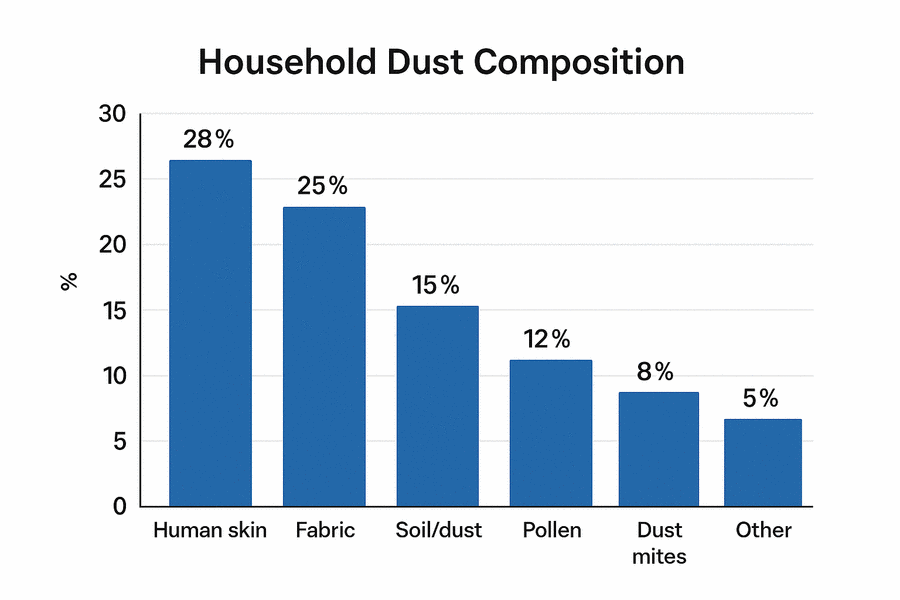
Household dust is not one single substance. It is a mix of small particles that settle on floors, furniture, shelves, electronics, bedding, and other surfaces. Some particles come from outdoors, while others come from people, pets, fabrics, cooking, cleaning, and home products.
The mix changes from home to home. A home with pets may have more hair and dander. A home near a busy road may receive more outdoor particles. A home with many rugs, blankets, and upholstered items may hold more fibers.
This is one reason **why dust builds up fast at home** even when the house looks clean. You are not fighting one source. You are dealing with many small sources at the same time.
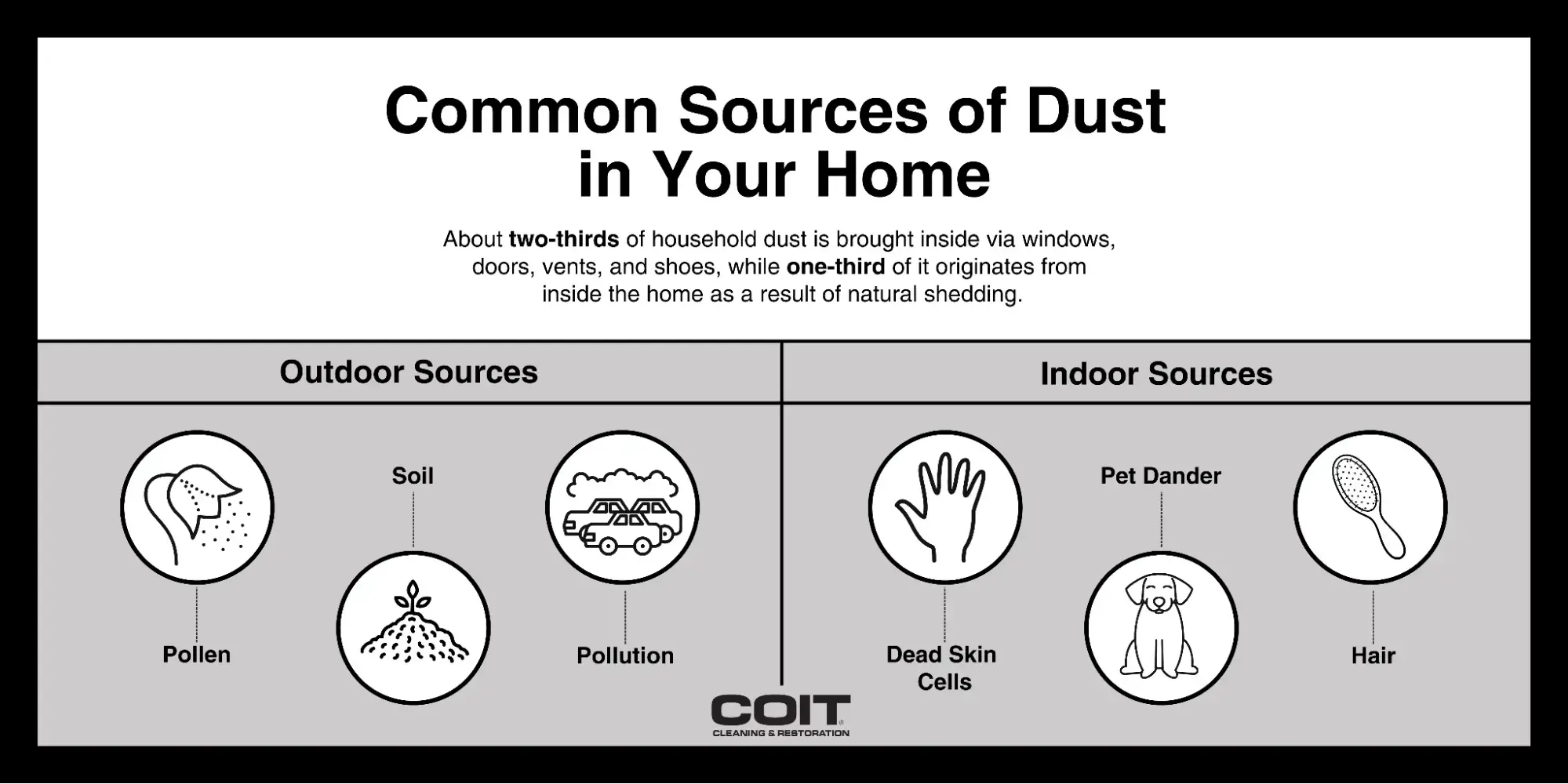
- ✦ Outdoor soil and particles
Soil, road dust, pollen, and other outdoor particles can enter through doors, windows, shoes, pets, and small gaps.
- ✦ Human skin and hair
People naturally shed skin flakes and hair. These materials can become part of settled household dust.
- ✦ Pet dander and hair
Dogs and cats can add hair, dander, and outdoor particles that they pick up on their coats and paws.
- ✦ Fibers
Clothes, towels, carpets, curtains, bedding, and upholstery can release small fibers as they are used.
- ✦ Daily activities
Cooking, cleaning, burning candles, and some hobbies can add particles to indoor air.
Why Dust Looks Worse on Dark Furniture
Dark furniture does not always collect more dust. It simply makes light-colored particles easier to see. Black tables, TVs, shelves, and glossy surfaces can make normal dust look much heavier.
This can create the feeling that **why dust builds up fast at home** has a simple answer, such as poor cleaning. In reality, visibility depends on both the amount of dust and the surface where it lands.
12 Common Reasons Dust Builds Up So Fast at Home
If you are asking **why dust builds up fast at home**, start with the sources that add or move particles every day. The same home can become much dustier after a change in weather, a new pet, a renovation, a change in HVAC use, or more time spent indoors.
The goal is not to make your home completely dust-free. That is not realistic. The goal is to reduce the amount of dust entering the home, limit the sources inside, and catch particles before they spread across every room.

- ✦ 1. Open doors and windows
Outdoor air can carry soil, pollen, smoke, and other particles indoors. Frequent opening of doors and windows can increase indoor particle levels when outdoor air is dusty or polluted.
- ✦ 2. Shoes bring in soil
Shoes can carry soil and fine outdoor particles from sidewalks, yards, parking areas, and roads. These particles can spread far beyond the entryway.
- ✦ 3. Pets track in particles
Pets can bring in soil and pollen on their paws and coats. They also shed hair and dander indoors.
- ✦ 4. Carpets and rugs hold particles
Textile floors can trap dust and release some of it again when people walk across them. Rugs near entrances can be useful, but they also need regular cleaning.
- ✦ 5. Bedding creates fibers and skin flakes
Beds collect skin flakes, hair, fabric fibers, and other particles. Movement during sleep can send some of these particles into the air.
- ✦ 6. Upholstered furniture collects dust
Sofas, chairs, cushions, and fabric headboards can hold dust. Regular vacuuming helps remove particles before they spread.
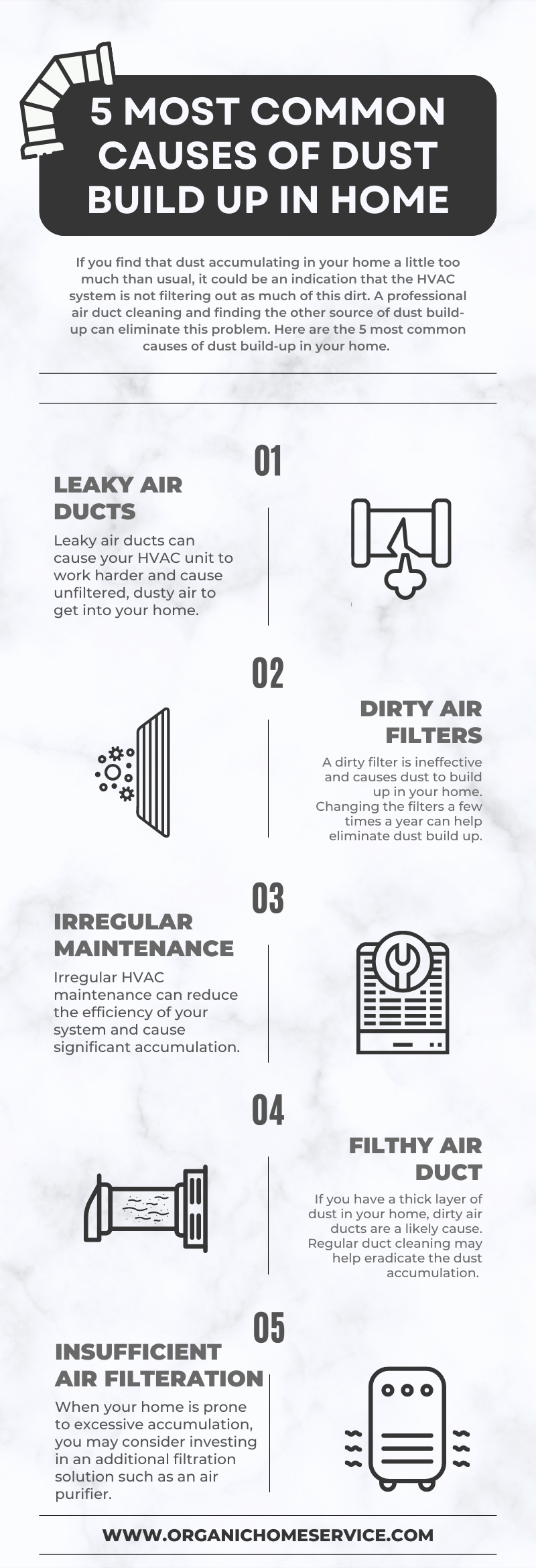
- ✦ 7. HVAC filters need attention
A dirty or poorly chosen HVAC filter can affect how well airborne particles are captured. Filters should be maintained and replaced according to the system and filter maker’s instructions.
- ✦ 8. Airflow moves settled dust
Fans, HVAC systems, walking, and other movement can disturb dust that has already settled. Particles can then float before landing somewhere else.
- ✦ 9. Clutter creates dust traps
Books, decorations, boxes, cables, and small objects create more surfaces where dust can settle. They can also make thorough cleaning harder.
- ✦ 10. Candles and combustion add particles
Burning candles, fireplaces, smoking, and some fuel-burning appliances can produce indoor particles. Good ventilation and source control can reduce this load.
- ✦ 11. Home repairs create fine dust
Drywall work, sanding, drilling, cutting, and remodeling can create large amounts of fine dust. That dust can travel into rooms far from the work area.
- ✦ 12. Dusty outdoor conditions
Dry weather, nearby construction, heavy traffic, pollen seasons, and wildfire smoke can raise the amount of particles outside. More outdoor particles can mean more indoor particles when air enters the home.
How HVAC Systems Affect Dust Buildup
Your heating and cooling system plays a major role in indoor air movement. In many U.S. homes, central HVAC systems move air through rooms again and again during heating and cooling. The filter can catch some airborne particles, but no filter catches everything.
If you are wondering **why dust builds up fast at home** after turning on the air conditioner or furnace, look at the filter and airflow first. A filter that is overdue for replacement can become loaded with particles. A filter that does not fit well can also allow air to bypass the filter.
The EPA recommends changing or cleaning central HVAC filters based on the manufacturer’s directions. It also notes that a higher-efficiency filter may help reduce indoor particles when the HVAC system can handle that filter without airflow problems.

- ✦ Check the filter
Inspect the HVAC filter on the schedule given by the filter or equipment maker. Replace it when it is dirty or due for replacement.
- ✦ Check the fit
A filter should sit correctly in its slot. Gaps around the filter can let air move around it instead of through it.
- ✦ Use the right filter rating
A higher-rated filter is not automatically right for every system. Ask an HVAC professional what filter efficiency your equipment can safely support.
- ✦ Keep vents clear
Furniture and other objects should not block supply or return vents. Good airflow helps the system work as designed.
Can Dirty Air Ducts Cause a Dusty House?
Dirty ducts can contain settled dust, but duct cleaning is not always the first answer to **why dust builds up fast at home**. Dust also comes from floors, fabrics, people, pets, outdoor air, and daily activity.
If you see heavy debris, signs of pests, water damage, or other clear problems inside ductwork, a professional inspection can help. Focus first on simple source control, cleaning, and filter care rather than assuming every dusty home needs duct cleaning.
Why Your Bedroom May Get Dusty So Quickly
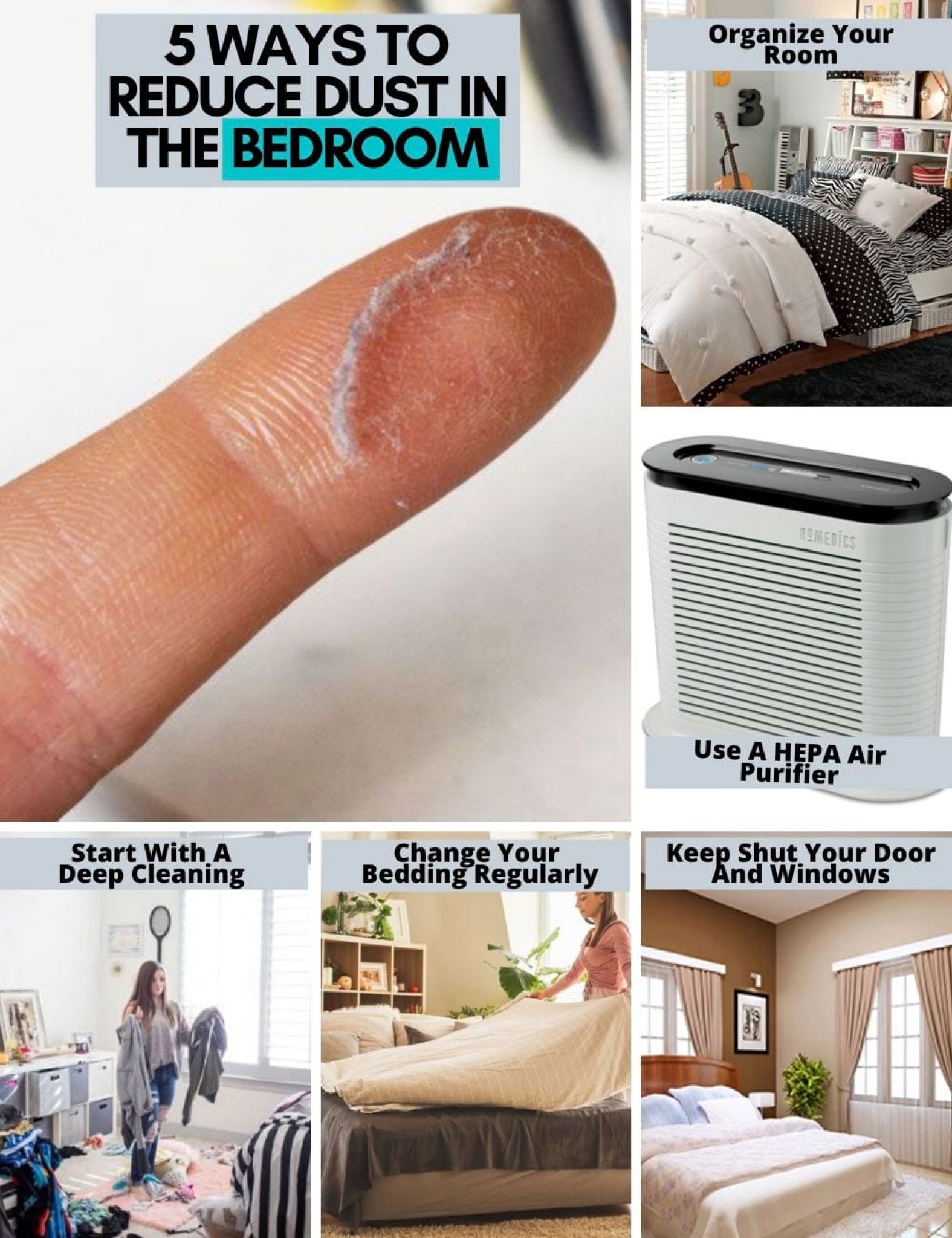
Bedrooms can collect dust quickly because they contain many soft materials. Mattresses, pillows, blankets, sheets, rugs, curtains, and upholstered furniture can all hold and release particles.
People also spend many hours in bedrooms. Normal movement can disturb settled dust, while bedding can collect skin flakes, hair, and fabric fibers. This explains why **why dust builds up fast at home** can seem especially true in bedrooms.
You do not need to remove every soft item. A better plan is to wash bedding often, vacuum floors and fabric surfaces, reduce clutter, and keep dust from building up under the bed and around furniture.
- ✦ Wash bedding regularly
Regular washing removes accumulated skin flakes, hair, oils, and other particles from sheets and bedding.
- ✦ Vacuum under the bed
The space under beds can collect dust because it is often hard to reach during routine cleaning.
- ✦ Clean fabric surfaces
Vacuum upholstered furniture, rugs, curtains when suitable, and other fabric surfaces according to their care instructions.
- ✦ Reduce bedroom clutter
Fewer small objects mean fewer dust-catching surfaces and make regular cleaning much easier.
How Pets, People, and Fabrics Add Dust
People and pets are active sources of indoor particles. Human skin flakes, hair, pet hair, pet dander, and fibers from clothing and furnishings can become part of household dust.
This does not mean your home is dirty. These are normal parts of everyday life. The key is to manage them before they spread through the house.
If you have pets, brushing them as recommended for their coat can help manage loose hair. Cleaning pet bedding and vacuuming favorite resting spots can also reduce the amount of material that settles around the home.

- ✦ Entryway control
Use washable mats at entrances and remove outdoor shoes when practical. This can reduce the amount of soil tracked across floors.
- ✦ Pet grooming
Regular grooming can help control loose hair. Follow your veterinarian or groomer’s advice for your pet’s coat and skin.
- ✦ Pet bedding
Wash pet bedding on a regular schedule that suits the material and your pet’s needs.
- ✦ Fabric care
Clean rugs, upholstery, curtains, and blankets according to their care instructions to remove trapped particles.
The Right Way to Clean Dust Without Spreading It
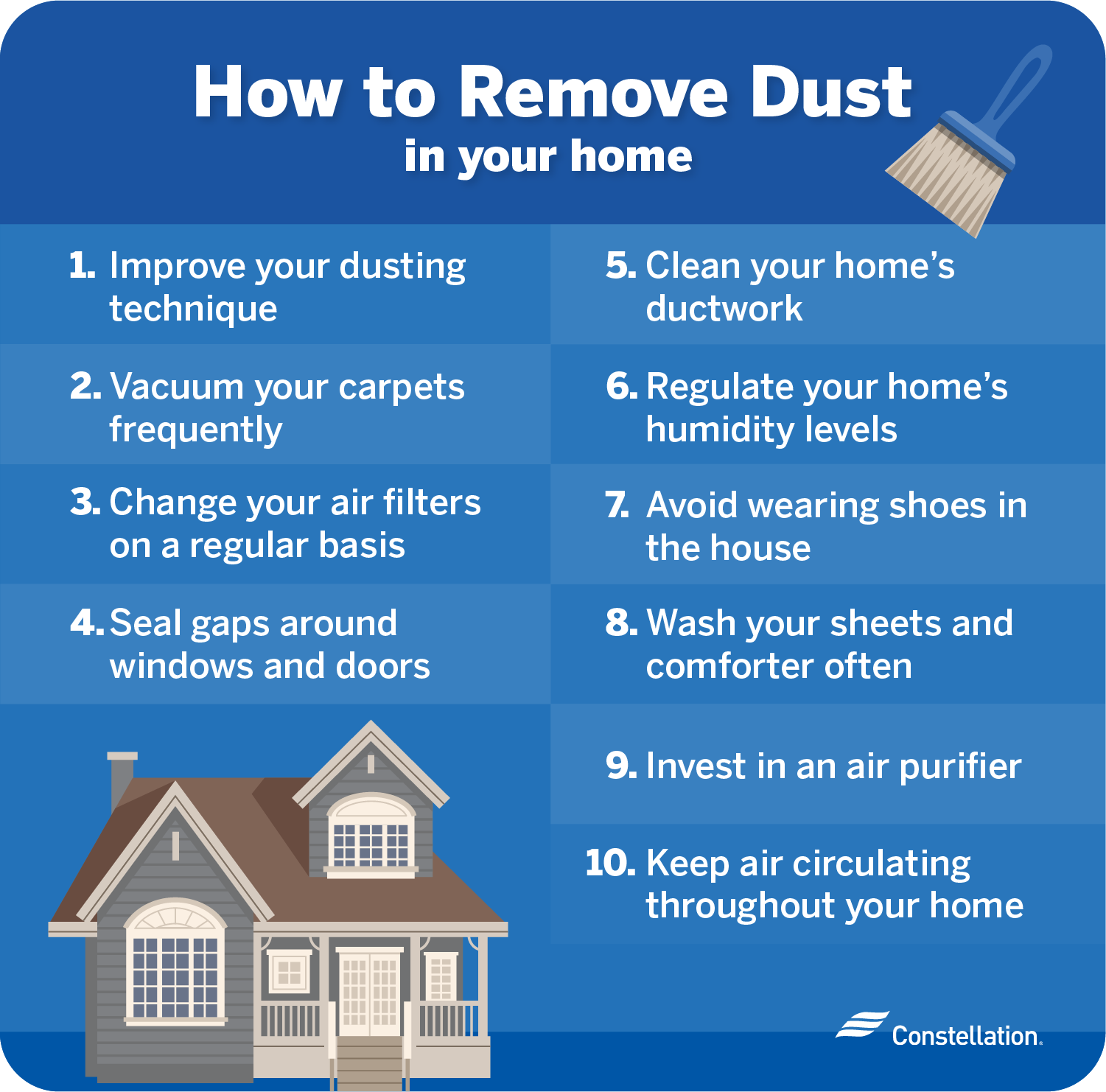
Cleaning can remove dust, but the wrong method can send some of it back into the air. Dry dusting with a feather duster or dry cloth may move particles from one surface to another instead of trapping them.
The EPA recommends damp dusting because moisture helps keep settled dust from becoming airborne. It also recommends regular vacuuming of carpets and furniture, with a HEPA-filter vacuum as one option for reducing the amount of dust that escapes from the vacuum.
This is a key part of solving **why dust builds up fast at home**. Good cleaning is not only about frequency. It is also about how well you capture what you remove.
- ✦ Dust with a damp cloth
Use a clean, slightly damp microfiber or suitable cloth on hard surfaces. Rinse or replace the cloth as it becomes dirty.
- ✦ Vacuum instead of sweeping
Vacuuming can capture particles that a broom may move into the air. Use a suitable vacuum for your floor type.
- ✦ Clean from high to low
Start with higher surfaces and work downward. This helps catch particles that fall during cleaning.
- ✦ Do not forget hidden areas
Clean baseboards, vents, under furniture, behind appliances, and other areas that can hold dust.
- ✦ Empty the vacuum safely
Follow the vacuum maker’s instructions when emptying the bin or changing the bag. Avoid creating a cloud of dust indoors.
A Simple Weekly Dust-Control Routine
A simple routine often works better than one huge cleaning session. Focus on the rooms you use most, then give extra attention to floors, fabric surfaces, entry points, and high-touch areas.
If your home gets dusty quickly, shorten the time between cleaning sessions instead of waiting for a thick layer to build. You can then adjust the schedule once you find a routine that keeps dust under control.
- ✦ Daily
Keep entry areas tidy, remove obvious debris, and clean spills or tracked soil as soon as you see them.
- ✦ Weekly
Vacuum floors and furniture, damp-dust hard surfaces, and wash bedding according to your household needs.
- ✦ Regularly
Check HVAC filters, clean pet areas, and inspect places where dust collects out of sight.
How to Reduce Dust at Home for the Long Term
You cannot stop every particle from entering a home. You can, however, reduce the main sources and make your home easier to clean. The best plan uses several small changes instead of relying on one product or one deep clean.
If you are still asking **why dust builds up fast at home** after cleaning more often, look beyond the cleaning itself. Check your entry points, floors, fabrics, pets, HVAC filter, outdoor air, and household activities.
Source control usually gives the biggest payoff. Filtration and cleaning can then help capture the particles that remain.
- ✦ Create a clean entry zone
Place washable mats at doors and consider a no-shoes policy if it works for your household.
- ✦ Use good ventilation wisely
Ventilate when outdoor air is clean and conditions allow. Avoid bringing in dusty or smoky outdoor air when pollution or pollen is high.
- ✦ Maintain HVAC filters
Follow the filter and HVAC manufacturer’s replacement guidance. Ask a professional before using a filter that is much more restrictive than the system allows.
- ✦ Control clutter
Store items in closed or easy-to-clean spaces when practical. Fewer exposed objects mean fewer places for dust to settle.
- ✦ Control moisture
Keep indoor humidity at a reasonable level and fix leaks or moisture problems quickly. The EPA recommends keeping indoor relative humidity below 60%, with 30% to 50% as an ideal range when possible.
- ✦ Use air cleaning as a supplement
A properly sized portable air cleaner can help reduce airborne particles in a room. It should support, not replace, source control and normal cleaning.
When to Look for a Bigger Problem
Fast dust buildup is often normal, but a sudden and extreme change deserves attention. Look for signs such as visible debris from vents, water damage, pest activity, construction dust, or a strong increase in particles after a building project.
If dust comes with persistent dampness, mold growth, unusual odors, or building damage, deal with the source rather than simply cleaning the surface. For major HVAC, moisture, pest, or building problems, a qualified professional can help identify the cause.
Does Dust Mean Your House Is Dirty?
Not necessarily. Dust forms even in clean homes because people, pets, fabrics, outdoor air, and normal activities constantly add particles. Cleaning can reduce dust, but it cannot stop every particle from forming or entering.
The better question is not whether your home has dust. It is **why dust builds up fast at home and where that dust comes from**. Finding the main source lets you spend less time cleaning and more time fixing the cause.
For most homes, a practical combination of entry control, regular vacuuming, damp dusting, bedding care, HVAC filter maintenance, and sensible ventilation can make a clear difference.
- ✦ Normal dust
Small amounts of dust are expected in occupied homes and do not automatically mean poor housekeeping.
- ✦ Excessive dust
A sudden or unusual increase can point to a new source, such as construction, HVAC problems, pests, outdoor pollution, or a change in household activity.
- ✦ Persistent moisture
Moisture can support mold and other biological growth, so damp areas should be addressed rather than covered up with cleaning.