Have you ever felt frustrated trying to cook or move around in a small kitchen? You’re not alone.
Small kitchens can be tricky to work with, and many people struggle to make the most of their limited space. From cramped countertops to awkward storage, these challenges can make cooking feel like a chore instead of a joy. But why exactly are small kitchens so challenging?
Understanding the root of these problems can help you find smart solutions that make your kitchen work better for you. Keep reading to discover the main reasons small kitchens can be tough and how you can overcome them.
Credit: www.houzz.ie
Space Limitations
Space limitations make small kitchens hard to use well. The area is tight, which affects how much you can do. Every inch counts, and you must plan carefully. Small kitchens need smart solutions to work efficiently.
Limited Countertop Area
Counter space is often the first thing to run out. Small kitchens have less room for cutting, mixing, and preparing food. This can slow down cooking and make tasks feel cramped. Finding ways to keep counters clear is essential.
Restricted Storage Options
Storage is another major problem in small kitchens. Cabinets and drawers are smaller or fewer in number. This limits where you can put pots, pans, and utensils. It forces you to keep only what you really need.
Tight Traffic Flow
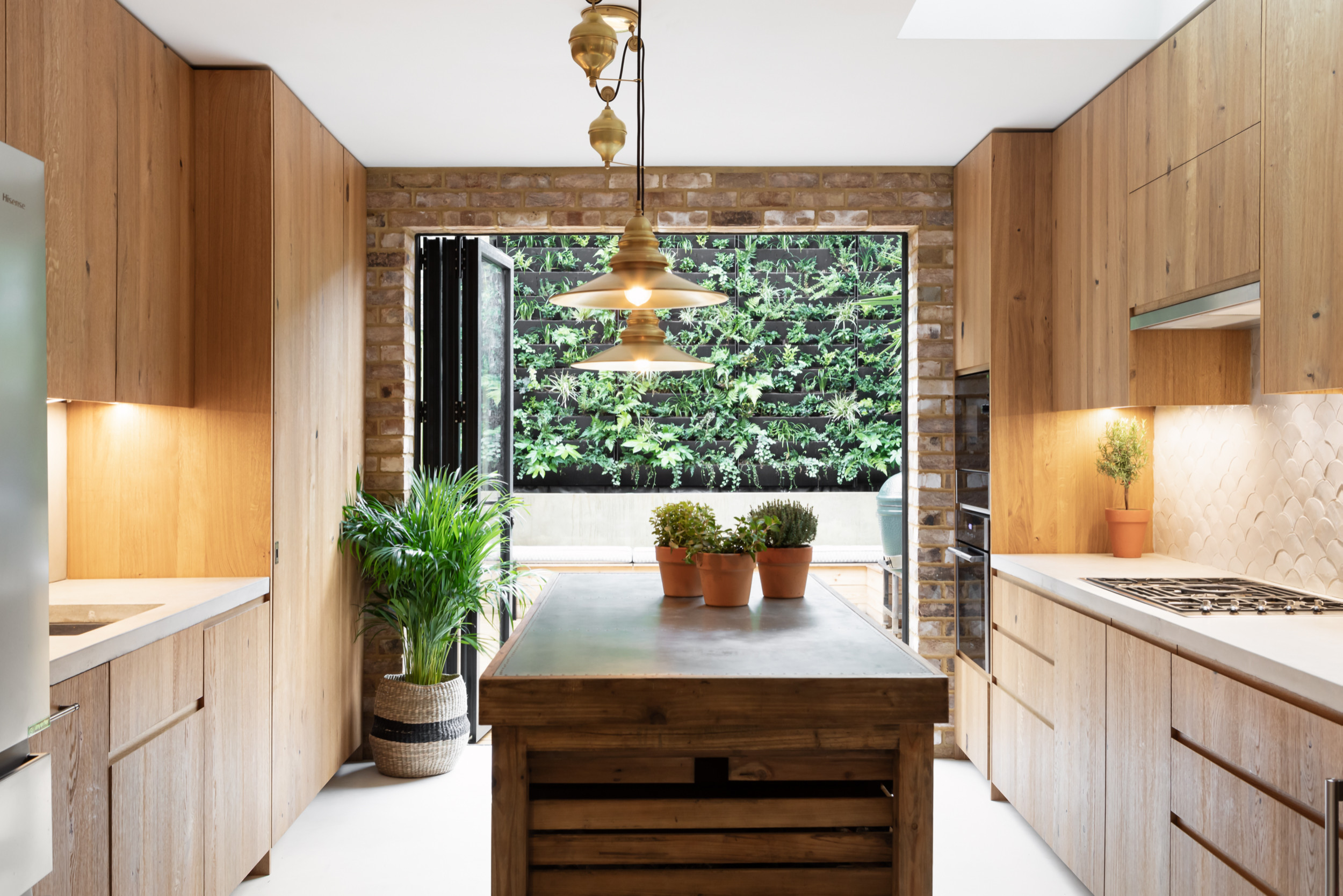
Moving around in a small kitchen can be tricky. Narrow walkways make it hard for more than one person to cook. It also makes carrying hot dishes or sharp knives risky. Planning for clear paths helps avoid accidents.

Credit: cederbergkitchens.com
Lighting And Ventilation Issues
Small kitchens often face problems with lighting and ventilation. These issues make the space feel cramped and uncomfortable. Proper light and fresh air are key for a pleasant kitchen. Without them, cooking and cleaning become harder tasks.
Insufficient Natural Light
Small kitchens usually have limited windows or none at all. This reduces natural sunlight. Dark kitchens seem smaller and less inviting. Lack of sunlight can affect mood and energy. Bright spaces feel larger and more open.
Poor Air Circulation
Cooking produces smoke, steam, and odors. Without good airflow, these build up quickly. Small kitchens trap heat and smells. This makes the room stuffy and unpleasant. Proper ventilation keeps air fresh and cool.
Choosing The Right Fixtures
Small spaces need smart lighting choices. Bright, energy-saving fixtures work best. Use layered lighting: overhead, task, and accent lights. Ventilation fans must be powerful but quiet. Good fixtures improve comfort and function in tight kitchens.
Design Constraints
Design constraints make small kitchens difficult to plan and use. Limited space forces tough choices. Every inch counts and must serve a purpose. Planning smartly helps avoid clutter and wasted areas. Designing small kitchens requires careful thought and creativity.
Fitting Appliances
Small kitchens struggle to fit standard-sized appliances. Large refrigerators, ovens, and dishwashers take up much space. Choosing compact or multi-use appliances saves room. Placement matters to keep the kitchen functional and safe. Appliances must fit without crowding movement or work areas.
Maximizing Vertical Space
Using vertical space is key in small kitchens. Tall cabinets and shelves provide extra storage. Walls can hold hooks for pots and utensils. Vertical storage keeps counters clear for cooking. Proper lighting helps make vertical spaces easy to use.
Balancing Function And Style
Small kitchens need to look nice and work well. Too much style can reduce usable space. Too much function can make the kitchen dull. Choosing simple designs keeps the kitchen open and inviting. Combining style with practicality creates a pleasant space to cook.
Credit: rtgcabinets.com
Smart Storage Solutions
Smart storage solutions are key to making small kitchens work well. These ideas help save space and keep things neat. They make cooking easier and the kitchen more comfortable. Small kitchens need clever ways to store items without clutter.
Using Multi-functional Furniture
Furniture that serves more than one purpose saves room. A table with storage inside holds utensils or small appliances. Chairs with built-in shelves can store cookbooks or kitchen tools. This type of furniture cuts down on extra pieces.
Incorporating Pull-out Shelves
Pull-out shelves help reach items in deep cabinets easily. They use the full space inside cabinets without losing access. Sliding shelves prevent stacking items on top of each other. This keeps everything visible and organized.
Utilizing Wall-mounted Racks
Wall-mounted racks free up counter and cabinet space. Hang pots, pans, or utensils on hooks. Magnetic strips can hold knives safely and within reach. Walls become extra storage spots, keeping counters clear.
Optimizing Layouts
Optimizing layouts in small kitchens is key to making the space work well. A good layout improves flow and efficiency. It helps you use every inch smartly. Thoughtful design can make a small kitchen feel larger and more organized. Let’s explore some layout ideas that fit small kitchens perfectly.
L-shaped And U-shaped Designs
L-shaped kitchens use two walls, forming a corner. This design opens up the center space. It allows easy movement between cooking, cleaning, and prep zones. U-shaped kitchens use three walls, creating a cozy workspace. This layout offers plenty of counter space and storage. Both designs keep everything close, reducing steps while cooking.
Open Shelving Strategies
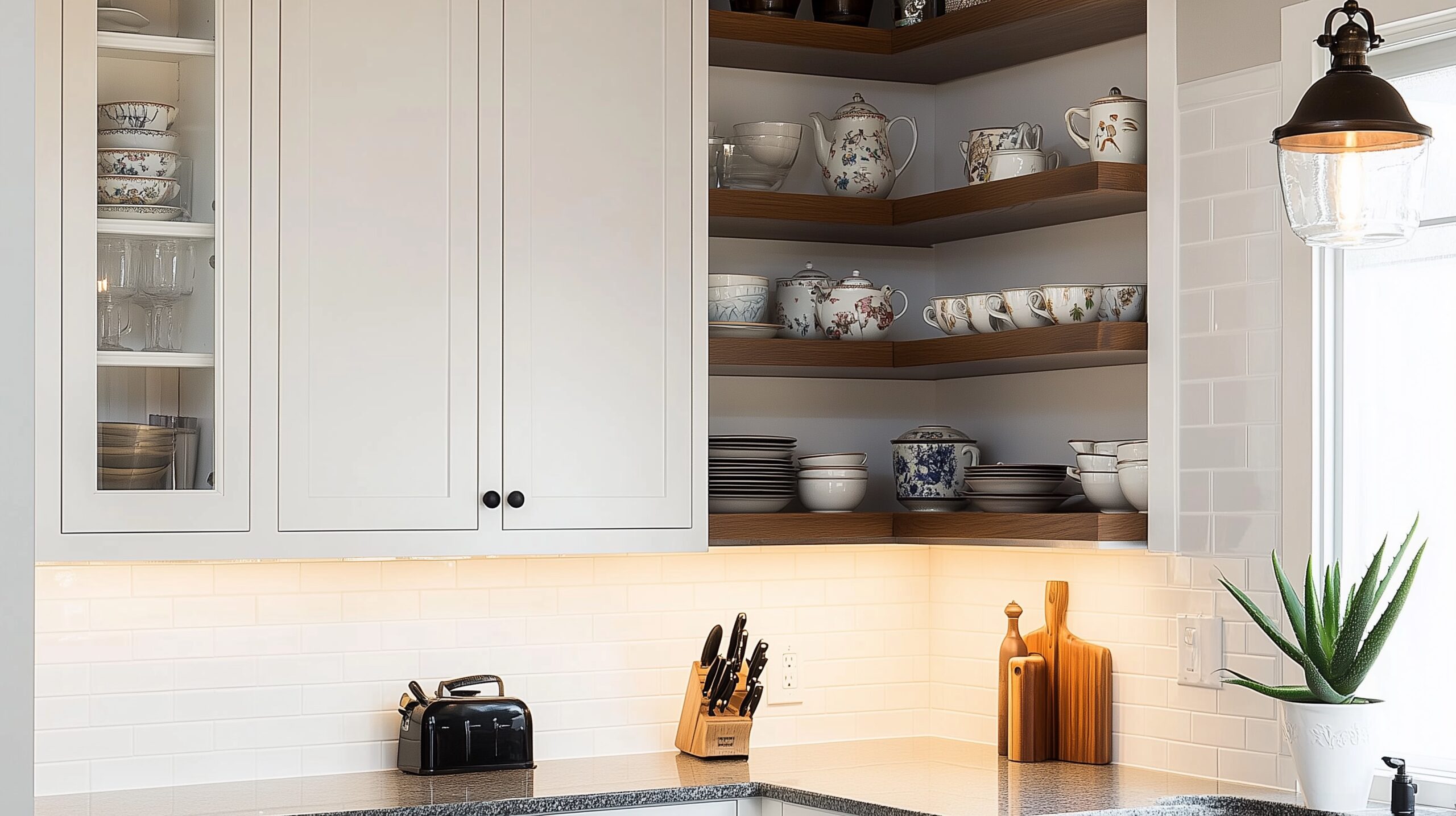
Open shelves save wall space and add a light feel. They make small kitchens look bigger by avoiding bulky cabinets. Use shelves to store everyday items for easy reach. Keep shelves tidy to avoid clutter. Mixing open shelving with closed cabinets balances storage and style.
Compact Appliance Placement
Placing appliances carefully is crucial in small kitchens. Choose smaller models to save space. Fit appliances into corners or under counters. Grouping appliances keeps work areas clear. Proper placement avoids crowding and keeps the kitchen functional.
Color And Material Choices
Choosing the right colors and materials in small kitchens is very important. These choices affect how big or small the space feels. They also impact the kitchen’s style and how easy it is to keep clean. Small kitchens need careful planning to make the most of every inch.
Light Colors To Open Space
Light colors make a small kitchen feel larger. Shades like white, soft gray, and pale blue reflect light well. These colors create an open and airy feeling. Dark colors can make a kitchen feel cramped and smaller.
Using light colors on walls, cabinets, and countertops brightens the room. This gives the illusion of more space. Light colors also blend well with many design styles. They make the kitchen look fresh and inviting.
Reflective Surfaces
Reflective surfaces bounce light around the kitchen. Materials like glass, glossy tiles, and shiny metals help spread light. This makes the kitchen appear bigger and brighter.
Mirrored backsplashes or glossy cabinet finishes add depth. Reflections create a sense of openness. These surfaces also add a modern touch to the space.
Durable And Easy-clean Materials
Small kitchens need materials that stand up to daily use. Durable surfaces resist scratches, stains, and heat. They keep the kitchen looking good longer.
Easy-clean materials save time and effort. Smooth countertops and backsplashes wipe clean quickly. This is important in a small kitchen with limited workspace. Choosing the right materials keeps the kitchen functional and neat.
Technology And Innovation
Technology and innovation play a key role in solving small kitchen challenges. They make cooking easier and help save space. New tools and ideas help maximize every inch of a small kitchen.
Smart Kitchen Gadgets
Smart kitchen gadgets bring ease and control to small kitchens. Devices like smart ovens and voice-controlled assistants save time. They offer precise cooking and reduce the need for many tools. These gadgets fit well into tight spaces and improve kitchen work.
Space-saving Appliances
Space-saving appliances are perfect for small kitchens. Compact refrigerators and stackable washers free up counters. Multi-functional appliances combine several uses in one device. This reduces clutter and keeps the kitchen organized. Small kitchens benefit greatly from these clever appliances.
Integrated Lighting Systems
Integrated lighting systems brighten small kitchens without taking space. LED lights under cabinets and inside shelves improve visibility. Good lighting makes small spaces feel larger and more open. It also helps with precise cooking and cleaning. These lighting systems blend smoothly into kitchen design.
Frequently Asked Questions
Why Are Small Kitchens Difficult To Organize Efficiently?
Small kitchens have limited space, making storage and organization challenging. Efficient use of cabinets and shelves is crucial. Clutter can easily build up, reducing workspace and creating frustration during cooking. Smart design and multi-functional furniture help optimize small kitchen layouts for better efficiency.
What Makes Cooking In Small Kitchens More Challenging?
Cooking in small kitchens is tough due to restricted counter space and limited appliances. It requires careful planning and multitasking. The cramped environment can slow down meal prep and increase the risk of accidents. Proper organization and compact tools improve the cooking experience in tight spaces.
How Does Limited Storage Affect Small Kitchen Usability?
Limited storage in small kitchens leads to overcrowded cabinets and cluttered surfaces. It reduces accessibility and slows down cooking processes. Without enough space for utensils and ingredients, maintaining cleanliness becomes harder. Innovative storage solutions like pull-out racks and vertical organizers enhance usability.
Why Is Lighting Important In Small Kitchen Design?
Good lighting makes small kitchens feel larger and more welcoming. It improves visibility, making cooking safer and easier. Poor lighting can create a cramped, dull atmosphere. Using bright, well-placed lights enhances both functionality and the overall aesthetic of small kitchens.
Conclusion
Small kitchens bring unique challenges every day. Limited space means less room for cooking and storage. It can feel crowded and hard to move around. Lighting and ventilation often fall short too. Yet, with smart choices, these issues become easier to handle.
Planning well helps use space wisely. Choosing the right tools makes cooking more comfortable. Small kitchens need creativity and patience to work best. They may be tough, but they can still be cozy and functional. Keep these points in mind to make small kitchens less challenging.