Have you ever opened your kitchen cabinets and felt frustrated by the lack of space? You’re not alone.
Many kitchens seem to struggle with storage, no matter how big or small they are. But why does this keep happening? Why do kitchens often end up with cluttered countertops and overcrowded shelves? Understanding the reasons behind this common problem can help you find smart solutions and make your kitchen work better for you.
Keep reading to discover the surprising causes of limited kitchen storage and how you can fix them.
Credit: www.homedepot.com
Common Kitchen Storage Issues
Many kitchens face storage challenges that frustrate users daily. Understanding common storage issues helps solve these problems. These issues often reduce kitchen efficiency and cause clutter.
Here are the main reasons kitchens lack enough storage space.
Limited Cabinet Space
Most kitchens have cabinets that are too small or too few. This limits the amount of items stored. Pots, pans, and dishes quickly fill the available space. Without enough cabinets, countertops become messy.
Poor Layout Design
Some kitchens do not use space well. Cabinets and drawers may be hard to reach or awkwardly placed. This wastes valuable storage areas. A bad layout forces people to keep items outside storage zones.
Underutilized Vertical Areas
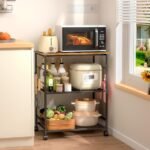
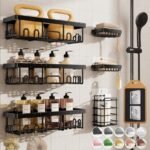
Vertical spaces like walls and corners often remain empty. Shelves or hooks can add extra storage here. Using height for storage helps keep counters clear. Many kitchens miss this easy storage option.
Impact Of Appliance Choices
Appliance choices have a big impact on kitchen storage space. Appliances take up room that could be used for cabinets or shelves. Choosing the right appliances can help keep your kitchen organized and spacious.
Bulky Appliances Taking Up Space
Large appliances like refrigerators and ovens can use a lot of kitchen space. These bulky items reduce the area available for storage. Countertop appliances such as mixers and coffee makers also take up valuable space. The bigger the appliance, the less room remains for storing other kitchen items.
Built-in Vs Freestanding Options
Built-in appliances fit into cabinets and walls, saving floor space. They create a seamless look and free up counters for storage. Freestanding appliances need more room around them, reducing storage space. Choosing built-in models often helps kitchens feel less crowded. Freestanding options may be easier to move but use more space overall.
Design Mistakes That Reduce Storage
Kitchens often feel cramped due to poor design choices. These mistakes limit storage and make the space less useful. Understanding common design errors helps improve kitchen storage. Small fixes can create more room for your items.
Overlooking Corner Cabinets
Corner cabinets often become dead space. Designers sometimes ignore them or use simple shelves. This wastes a valuable area that can hold many items. Installing lazy Susans or pull-out trays maximizes corner storage. It makes reaching items easier and uses the space well.
Ignoring Custom Storage Solutions
Many kitchens have generic cabinets that don’t fit specific needs. Custom storage solutions use every inch effectively. Drawers with dividers, pull-out spice racks, and built-in bins help organize better. Custom designs reduce clutter and increase usable space. They make the kitchen more functional and neat.
Role Of Kitchen Size And Shape
The size and shape of a kitchen greatly affect how much storage it offers. Small kitchens often struggle to fit enough cabinets and shelves. The layout also matters. Some kitchen shapes make it hard to use space well.
Understanding these limits helps explain why kitchens lack storage space. It also guides better design choices to improve storage.
Small Kitchen Challenges
Small kitchens have less room for cabinets and drawers. This limits where you can store pots, pans, and food. Walking space is tight, so adding more storage can block movement. It forces people to choose only the essentials.
Counter space often doubles as storage and working area. This reduces room for appliances and cooking tools. Small kitchens demand smart storage, but the size itself is a big hurdle.
Irregular Layout Complications
Odd kitchen shapes make fitting standard cabinets tricky. Corners and narrow spots waste space or need custom solutions. This often means less storage overall or more expensive fixes.
Irregular layouts confuse the flow of work and storage zones. Items may end up scattered or hard to reach. These layouts require creative planning to use every inch well.
How Lifestyle Affects Storage Needs
How people live changes what they need in a kitchen. Storage space depends on daily habits and family size. These factors shape how much room is needed for kitchen items.
Cooking Frequency And Equipment
People who cook often need more storage for tools and ingredients. More pots, pans, and gadgets take up space. A kitchen for daily cooking must hold many items. Those who cook less need less storage. Their kitchens stay simpler and less crowded.
Family Size And Storage Demands
Bigger families need more space for food and dishes. More plates, cups, and snacks require extra cabinets. Storage must fit larger quantities of groceries. Small families or single people use less storage. Their kitchen stays neat with fewer items.

Credit: www.amazon.com
Solutions To Maximize Kitchen Storage
Maximizing kitchen storage helps keep your space tidy and functional. Small kitchens especially need smart solutions to store all essentials. Clever ideas make a big difference in organizing and saving space.
Smart Cabinet Organizers
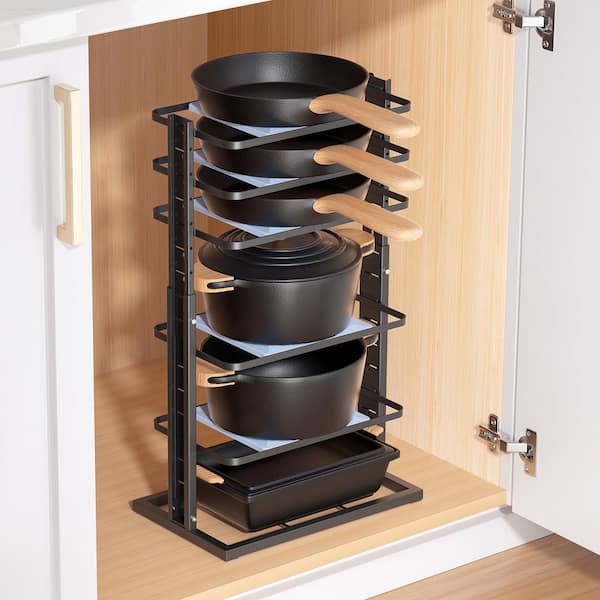
Use organizers inside cabinets to keep items in order. Pull-out shelves make it easy to reach things at the back. Dividers separate plates, pots, and pans neatly. Lazy Susans turn corners into useful storage spots. These tools help you use every inch efficiently.
Utilizing Vertical Space
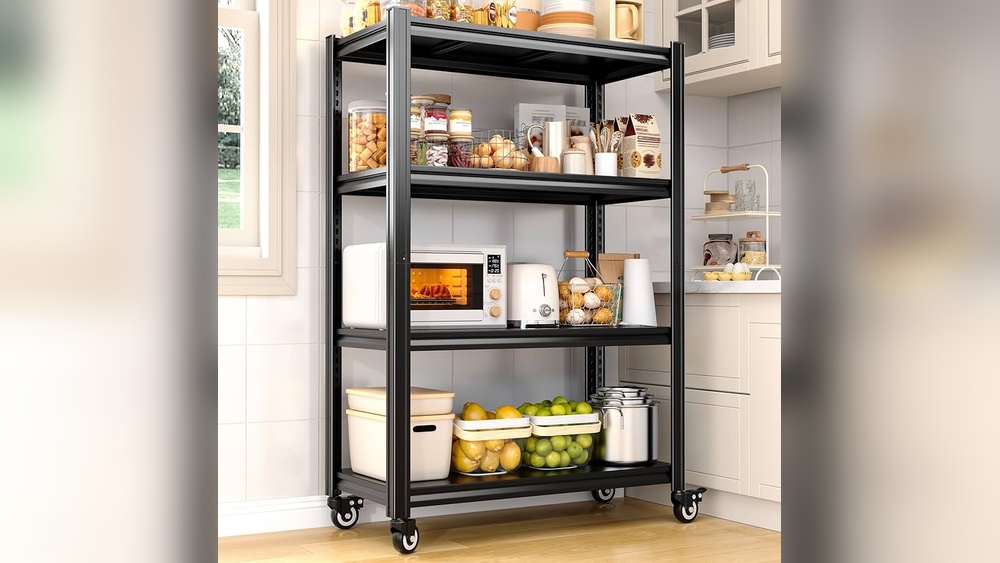
Think up, not just out. Wall-mounted racks hold pots, pans, and utensils. Hooks under cabinets keep mugs within reach. Tall shelves store less-used items high above. Vertical storage frees up counters and drawers. It keeps your kitchen open and clutter-free.
Choosing Space-saving Appliances
Pick appliances that fit your kitchen size. Compact refrigerators and slim dishwashers save space. Multi-use gadgets reduce the number of devices needed. Appliances that stack or fold work well in small areas. This choice creates more room for storage and movement.
Credit: de.homary.com
Frequently Asked Questions
Why Do Kitchens Often Have Limited Storage Space?
Kitchens lack storage due to poor design and prioritizing aesthetics over function. Small layouts and minimal cabinetry also reduce storage options, making organization challenging.
How Can I Maximize Storage In A Small Kitchen?
Use vertical space with tall cabinets and shelves. Add hooks, pull-out drawers, and organizers to keep items accessible and reduce clutter efficiently.
What Causes Kitchen Storage Problems In Modern Homes?
Modern homes often have open plans with fewer walls for cabinets. Compact designs and prioritizing appliances over storage cause limited cabinet and pantry space.
Are Kitchen Storage Issues Linked To Poor Planning?
Yes, inadequate planning leads to inefficient storage solutions. Ignoring workflow, accessibility, and appliance size reduces usable storage and kitchen functionality.
Conclusion
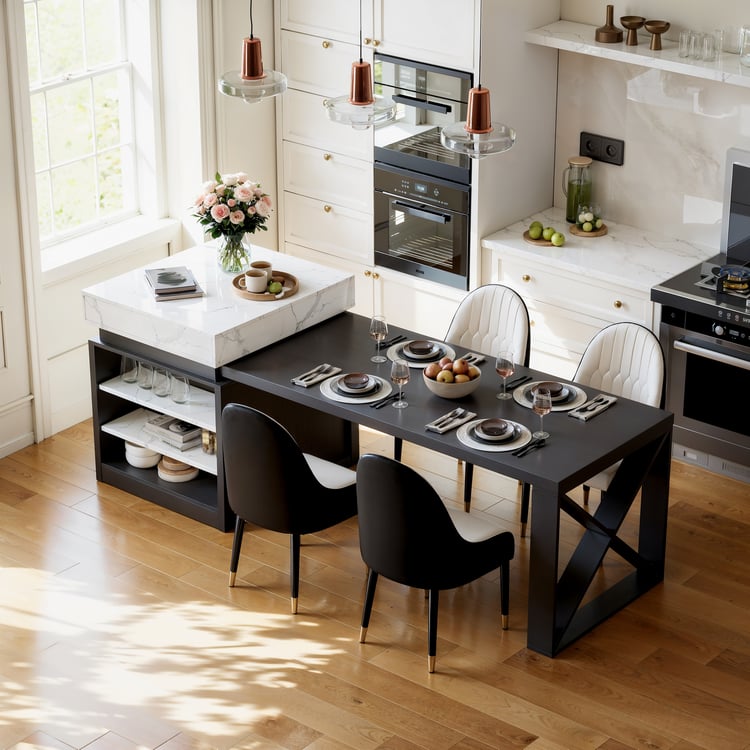
Kitchens often lack storage due to poor planning and limited space. Designers focus on style more than function sometimes. Small kitchens make it hard to add enough cabinets. Many people keep too many items that clutter counters. Smart storage needs careful choices and regular decluttering.
Using vertical space and multi-use furniture helps a lot. Understanding these issues can lead to better kitchen designs. Storage problems don’t have to stay forever. A few changes make kitchens easier and more pleasant to use.