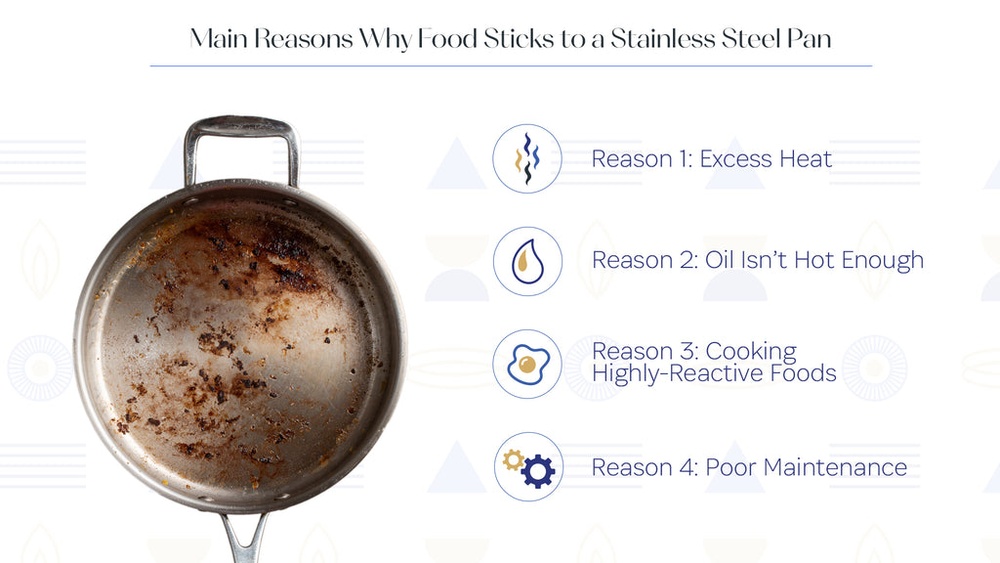
Have you ever cooked a meal only to find your food stubbornly stuck to your stainless steel pan? It’s frustrating, messy, and can ruin your cooking experience.
You might wonder why this keeps happening, even when you follow the recipe carefully. The truth is, there’s a simple science behind why food sticks to stainless steel, and understanding it can change the way you cook forever. Keep reading to discover easy tips and tricks that will help you cook with confidence and say goodbye to sticky messes for good.
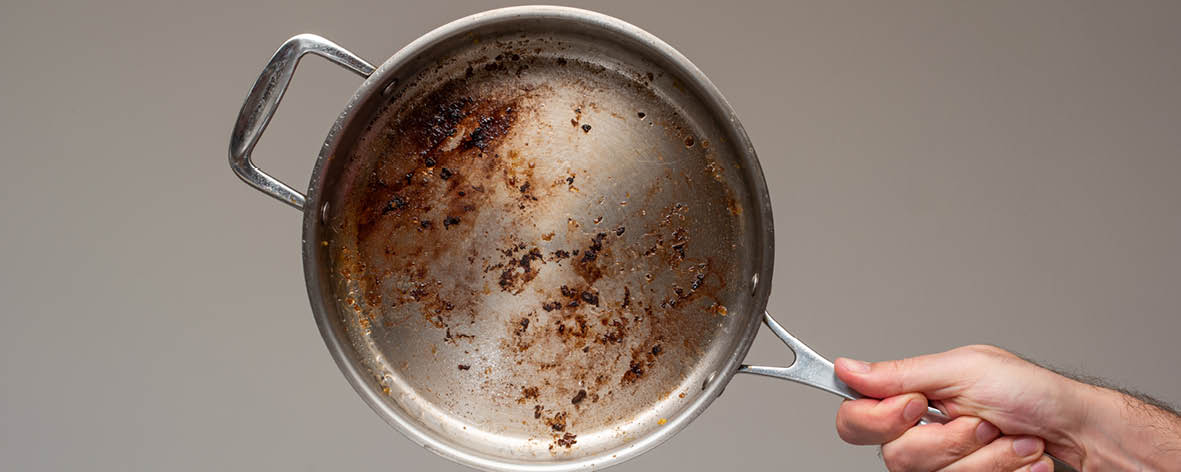
Credit: hillstreetgrocer.com
Causes Of Food Sticking
Food sticking to stainless steel pans is a common issue in many kitchens. Understanding the causes helps to cook better and avoid frustration. Several factors play a role in why food sticks to these pans. These include the surface of the pan, how heat spreads, and cooking methods used.
Surface Properties Of Stainless Steel
Stainless steel has a smooth but not non-stick surface. Tiny pores and rough spots hold onto food particles. Unlike non-stick pans, stainless steel lacks a coating to prevent sticking. The metal’s natural texture causes food to cling during cooking. This makes it easy for proteins and sugars to bond with the pan.
Heat Distribution Issues
Stainless steel pans may have uneven heat across the surface. Hot spots cause food to cook faster and stick more. Cooler spots may not sear food properly, leading to sticking. Proper heat control is essential for even cooking. Uneven heating increases the chance of food sticking and burning.
Cooking Techniques Impact
How you cook affects whether food sticks or not. Adding food before the pan is hot enough causes sticking. Using too little oil or butter leaves food dry and prone to stick. Moving food too early breaks the natural release process. Correct timing and enough fat help prevent sticking.

Credit: www.reddit.com
Preparing Your Pan Correctly
Preparing your stainless steel pan correctly is key to preventing food from sticking. A properly prepared pan creates a smooth cooking surface. This helps food cook evenly and release easily. Two important steps are seasoning the pan and preheating it the right way.
Seasoning Stainless Steel Pans
Seasoning your pan adds a thin layer of oil that fills tiny pores. This layer helps create a non-stick surface. Start by heating the clean pan on medium heat for a few minutes. Then, add a small amount of oil with a high smoke point, like vegetable or canola oil. Spread the oil evenly over the surface with a paper towel. Heat the pan for another few minutes until the oil starts to smoke. Turn off the heat and let the pan cool. Wipe out any extra oil with a clean towel. This process should be repeated every few weeks or after deep cleaning.
Proper Preheating Methods
Preheating the pan correctly is essential to stop sticking. Place the pan on medium heat and let it warm for 2 to 3 minutes. Test the heat by sprinkling a few drops of water on the surface. If the water forms small beads and dances, the pan is ready. Add oil only after the pan reaches the right temperature. This helps the oil spread evenly and creates a barrier between food and metal. Avoid adding cold oil or food to a cold pan. This causes sticking and uneven cooking.
Choosing The Right Cooking Oil
Choosing the right cooking oil plays a big role in stopping food from sticking to a stainless steel pan. Each oil reacts differently to heat, changing how food cooks and sticks. Using the correct oil helps create a smooth cooking surface and improves your meal’s taste.
Smoke Points Of Common Oils
Every cooking oil has a smoke point. This is the temperature where oil starts to burn and break down. Oils with low smoke points burn fast and cause food to stick. Oils with high smoke points handle heat better and keep food from sticking.
For example, olive oil has a medium smoke point. It works well for medium heat cooking. Canola oil and vegetable oil have higher smoke points. These oils are good for frying and searing. Using an oil that matches your cooking temperature is smart. It stops the oil from burning and helps food cook evenly.
Amount And Application Tips
Using the right amount of oil is key. Too little oil makes food stick. Too much oil makes food greasy. Spread a thin, even layer of oil over the pan surface. Heat the oil before adding food. This creates a natural barrier between the pan and food.
Wipe off extra oil with a paper towel if needed. This prevents pooling and uneven cooking. Keep your pan hot but not smoking. A hot pan and oil keep food from sticking and help get a nice crust on meat and vegetables.
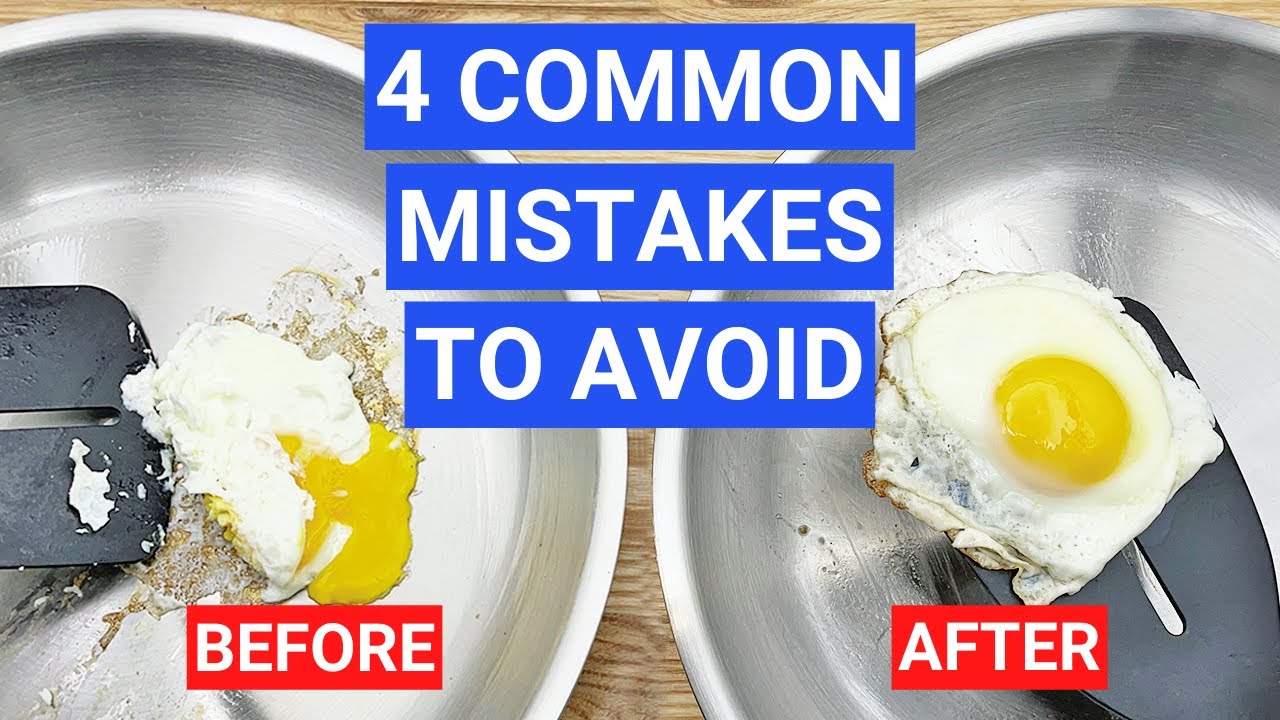
Credit: www.youtube.com
Effective Cooking Techniques
Effective cooking techniques help reduce food sticking to stainless steel pans. Understanding heat and timing improves your cooking results. These simple methods make your meals easier to cook and clean up.
Managing Temperature Control
Start by preheating the pan properly. A hot pan helps create a natural non-stick surface. Use medium heat to avoid burning food. High heat causes food to stick and burn quickly. Adjust heat as you cook to keep food from sticking. Patience is key; allow the pan to heat evenly.
Timing For Food Release
Place food in the pan and wait before moving it. Food sticks at first but will release naturally when ready. Moving food too soon causes tearing and sticking. Watch for edges to turn golden before flipping. Let the food form a crust for easy release. Proper timing makes cooking smoother and less frustrating.
Cleaning And Maintenance Tips
Cleaning and maintaining a stainless steel pan helps stop food from sticking. Proper care keeps the pan smooth and shiny. It also makes cooking easier and extends the pan’s life.
Removing Residue Safely
Use warm water and mild soap to clean the pan. Avoid harsh chemicals that can damage the surface. For stuck food, soak the pan in warm water first. Then, use a soft sponge or cloth to wipe off residue. Never use steel wool or metal scrubbers. They can scratch the pan and make sticking worse.
Maintaining Pan Surface Quality
Dry the pan thoroughly after washing to prevent water spots. Heat the pan gently before adding oil or food. Avoid cooking sprays that leave a sticky buildup. Season the pan occasionally with a little oil. This creates a natural non-stick layer. Store the pan in a dry place to keep it rust-free.
Frequently Asked Questions
Why Does Food Stick To Stainless Steel Pans?
Food sticks because stainless steel pans have a rough surface. Heat causes proteins in food to bond to the metal. This makes it hard to release food without oil or butter.
How Can I Prevent Food From Sticking To Stainless Steel Pans?
Use enough oil or butter before heating the pan. Let the oil heat until shimmering before adding food. Also, avoid moving food too soon; let it form a crust.
Does The Pan’s Temperature Affect Food Sticking?
Yes, temperature matters a lot. If the pan is too cold, food sticks easily. If it’s too hot, food can burn and stick. Medium heat works best.
Can Seasoning A Stainless Steel Pan Reduce Sticking?
Seasoning creates a thin, non-stick layer on the pan’s surface. It helps reduce food sticking but is less effective than with cast iron. Regular seasoning improves cooking results.
Why Do Eggs Often Stick To Stainless Steel Pans?
Eggs stick because their proteins bond strongly to hot metal. Using enough oil and proper heat helps. Cooking eggs on lower heat reduces sticking and makes cleanup easier.
Conclusion
Food sticks to stainless steel pans mainly due to temperature and moisture. Heating the pan too fast creates hot spots that cause sticking. Using enough oil helps create a barrier between food and metal. Patience is key—let the pan heat properly before adding food.
Cleaning your pan well after cooking also prevents buildup. Understanding these simple tips makes cooking easier and less frustrating. Now, you can enjoy using your stainless steel pan without sticky messes. Cooking becomes more fun and your meals turn out better.