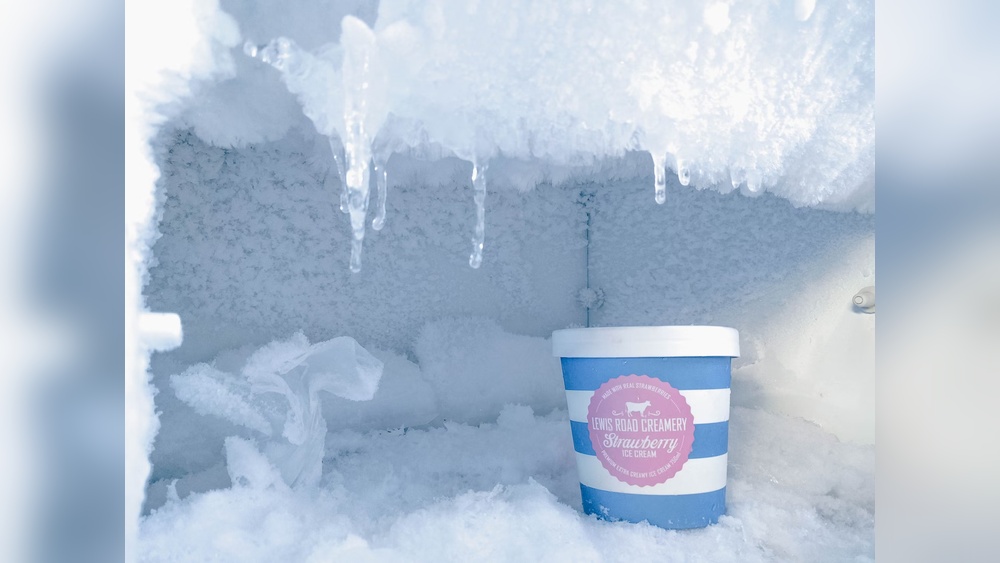
Have you ever opened your freezer and noticed a thick layer of frost covering everything inside? It can be frustrating and confusing, especially when you don’t understand why it’s happening.
Frost buildup not only takes up space but can also make your freezer work harder, costing you money and energy. You’ll discover the simple reasons behind frost forming in your freezer and learn easy ways to keep it frost-free. Keep reading to find out how you can protect your food and your appliance from this common problem.
Credit: www.abt.com
Common Causes Of Frost Buildup
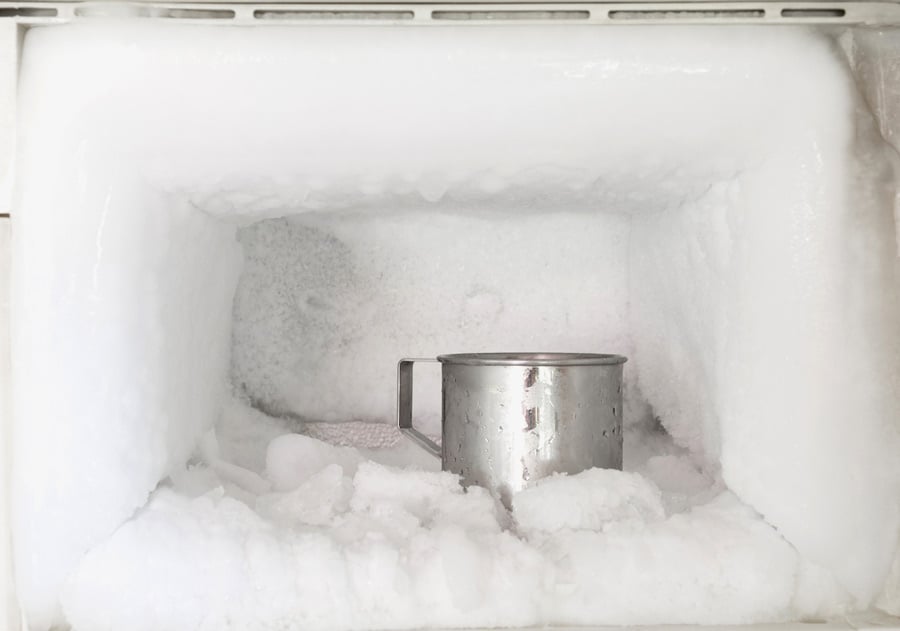
Frost buildup in freezers happens for several common reasons. Understanding these causes helps you keep your freezer working well. Frost forms when moisture turns into ice inside the freezer. This ice can block airflow and reduce cooling efficiency. Knowing what triggers frost can save energy and prevent damage.
Door Seal Issues
Worn or damaged door seals let warm air enter the freezer. This warm air meets the cold inside, causing frost to form. Check the seal for cracks or gaps. Replace the seal if it no longer fits tightly. A good seal keeps cold air in and moisture out.
Frequent Door Opening
Opening the freezer door often lets warm air inside. This air contains moisture that turns to frost. Try to open the door less and close it quickly. Keeping the door closed helps maintain a cold, dry environment.
Temperature Settings
Setting the freezer temperature too low can cause excess frost. The freezer works harder and moisture freezes quickly. Keep the temperature between 0°F and 5°F (-18°C to -15°C). Proper settings reduce frost buildup and save energy.
Blocked Vents
Vents inside the freezer allow cold air to circulate. Blocking these vents with food or containers stops airflow. Poor air circulation causes frost to collect. Keep vents clear for even cooling and less frost.
Humidity Levels
High humidity in the kitchen increases moisture inside the freezer. Moist air turns to frost on cold surfaces. Use the freezer in a dry room if possible. Reducing humidity lowers frost buildup and keeps food fresh longer.
How Frost Affects Freezer Performance
Frost buildup inside a freezer can cause several problems. It does not just look messy but also harms how well the freezer works. Understanding how frost affects freezer performance helps you keep your appliance in good shape. Frost creates barriers that reduce cooling efficiency and increase energy use.
Let’s explore the main ways frost impacts your freezer’s performance.
Energy Efficiency Drop
Frost acts like an insulator on freezer walls. It stops cold air from circulating properly. The freezer motor runs longer to keep the temperature low. This uses more electricity than normal. Higher energy use means bigger electric bills and more pollution.
Food Quality Impact
Frost changes the temperature inside the freezer. Uneven cold spots can cause food to spoil faster. Frost can also cause freezer burn on meat and vegetables. This damages taste and texture. Food stored in frost-covered areas loses freshness and quality quickly.
Increased Wear And Tear
Frost forces the freezer to work harder all the time. The compressor and other parts wear out faster. This can lead to costly repairs or early replacement. Regular defrosting helps reduce stress on the freezer components. It keeps your appliance running smoothly for longer.
Simple Steps To Prevent Frost
Frost buildup in freezers can cause problems. It reduces space and makes your freezer work harder. Taking simple steps can keep frost away and save energy. These easy tips help maintain your freezer’s performance and keep food fresh longer.
Check And Replace Door Seals
Door seals keep cold air inside. Damaged or worn seals let warm air in. This causes frost to form faster. Check seals for cracks or gaps. Replace them if they do not close tightly. A good seal stops frost from building up.
Maintain Proper Temperature
Set your freezer temperature between 0°F and 5°F (-18°C to -15°C). Too cold makes frost form quickly. Too warm causes food to spoil. Use a freezer thermometer to check the temperature. Adjust settings to keep it steady and right.
Avoid Overpacking
Overpacking blocks air flow inside the freezer. Cold air cannot circulate properly. This uneven cooling leads to frost buildup. Leave space between items for air to move. Organize food neatly and do not stuff the freezer full.
Limit Door Openings
Opening the freezer door often lets warm air enter. This moisture turns into frost on cold surfaces. Open the door only when needed. Close it quickly and fully. Less door opening means less frost forming inside.

Credit: www.thesealcompany.co.uk
Easy Diy Frost Removal Methods
Frost can build up in your freezer and cause problems. Removing it is easy and saves energy. These DIY methods help clear frost fast. No special tools needed. Just a bit of time and care.
Manual Defrosting
Turn off the freezer and open the door. Remove all food and place it somewhere cold. Let the frost melt naturally. Use a towel to catch water. This method takes time but is safe and simple.
Using Warm Water
Fill a bowl with warm water. Place it inside the freezer and close the door. The steam helps loosen the frost. Check after 10-15 minutes. Wipe away melted frost with a cloth. This speeds up the melting process.
Hair Dryer Technique
Use a hair dryer on low heat. Keep it moving to avoid damage. Hold it a few inches from the frost. The warm air melts frost quickly. Be careful not to overheat plastic parts or water near electric outlets.
Commercial Defrost Sprays
These sprays melt frost fast. Spray directly on frost, following product instructions. Wait a few minutes. Wipe frost away with a cloth. Choose sprays safe for freezer use. They offer quick and easy frost removal.
When To Call A Professional
Frost build-up in freezers can be annoying and affect food quality. Sometimes, simple fixes help. Other times, frost signals bigger problems. Knowing when to call a professional saves time and money.
Persistent Frost Problems
Frost returns quickly even after defrosting. This shows the issue is not simple. A technician can find hidden causes. They check door seals and temperature settings. Persistent frost needs expert diagnosis.
Malfunctioning Defrost System
The defrost system stops frost from building up. If it breaks, frost grows fast. A professional inspects the defrost heater and timer. They repair or replace parts safely. Fixing this requires special tools and skills.
Electrical Issues
Freezers rely on electrical parts to work well. Faulty wiring or controls cause frost build-up. Professionals test electrical components carefully. They prevent risks like short circuits or fires. Electrical problems need expert handling for safety.

Credit: wilshirerefrigeration.com
Frequently Asked Questions
Why Does Frost Form Inside My Freezer?
Frost forms when warm, moist air enters the freezer and meets cold surfaces. The moisture turns into ice crystals, causing frost buildup. This is common if the door is opened often or not sealed well.
How Does A Faulty Door Seal Cause Freezer Frost?
A broken or loose door seal lets warm air into the freezer. This air brings moisture that freezes inside, creating frost. Checking and fixing seals can reduce frost buildup.
Can Frequent Door Opening Increase Freezer Frost?
Yes, opening the freezer door often lets warm, humid air inside. This causes moisture to freeze on cold surfaces, leading to frost. Try to open the door less to prevent frost.
Does Storing Hot Food Cause Freezer Frost?
Placing hot food in the freezer raises the temperature and moisture inside. This moisture freezes and forms frost over time. Let food cool before freezing to avoid frost.
How Can I Prevent Frost Buildup In My Freezer?
Keep the door closed tightly and avoid opening it frequently. Store food properly and let hot items cool before freezing. Regularly check and clean door seals to stop frost buildup.
Conclusion
Frost builds up in freezers because warm air meets cold surfaces. This causes moisture to freeze and form ice. Keeping the door closed helps stop warm air from entering. Regularly defrosting your freezer prevents thick frost layers. Check door seals for damage to keep cold air inside.
Avoid putting hot or warm food directly into the freezer. These simple steps keep your freezer working well and frost-free. Clear frost means better cooling and saves energy too. Small actions make a big difference in freezer care.