Have you ever noticed how your food comes out of the microwave with hot spots and cold patches? It’s frustrating when your meal isn’t heated evenly, leaving you guessing which bite will burn your mouth or leave you hungry.
But why does this happen? Understanding why microwaves heat unevenly can help you get better results every time you warm up your food. Keep reading, and you’ll discover the simple science behind it—and how you can fix it to enjoy perfectly heated meals every time.
Microwave Heating Basics
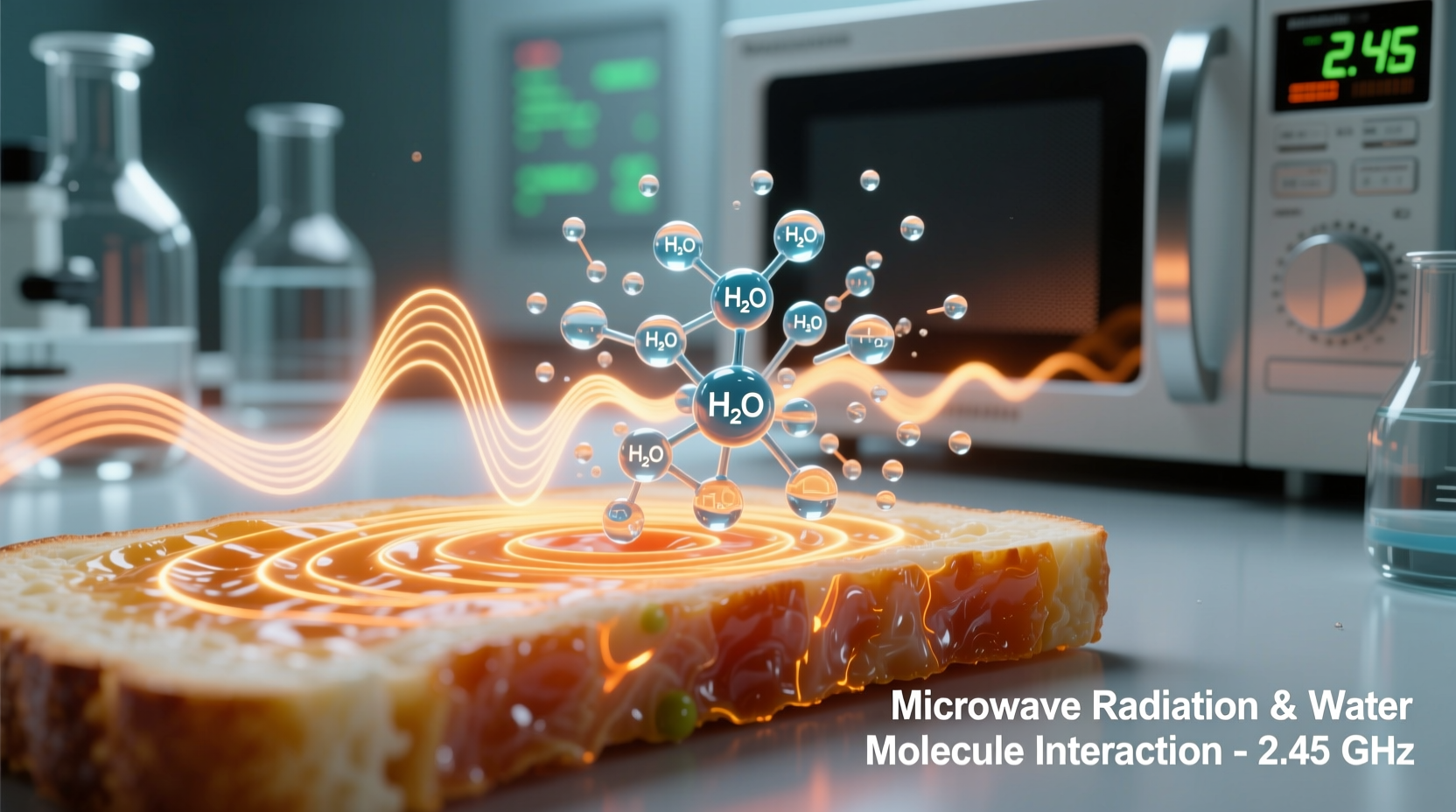
Microwaves heat food using waves of energy. These waves make water molecules inside food move fast. This movement creates heat, which cooks the food.
The process is different from regular ovens. Microwaves heat food from the inside out. This can cause some parts to cook faster than others.
How Microwaves Work
Microwave ovens use a device called a magnetron. It creates microwaves that bounce around inside the oven. These waves reach your food and start heating it.
The waves mainly affect water, fat, and sugar molecules. These molecules vibrate and produce heat quickly. Foods with more water heat faster.
Role Of Water Molecules
Water molecules are key in microwave heating. They absorb microwave energy well. As they move, they produce heat inside the food.
Foods with less water heat slower. That explains why dry foods take longer to warm.
Microwave Distribution Inside The Oven
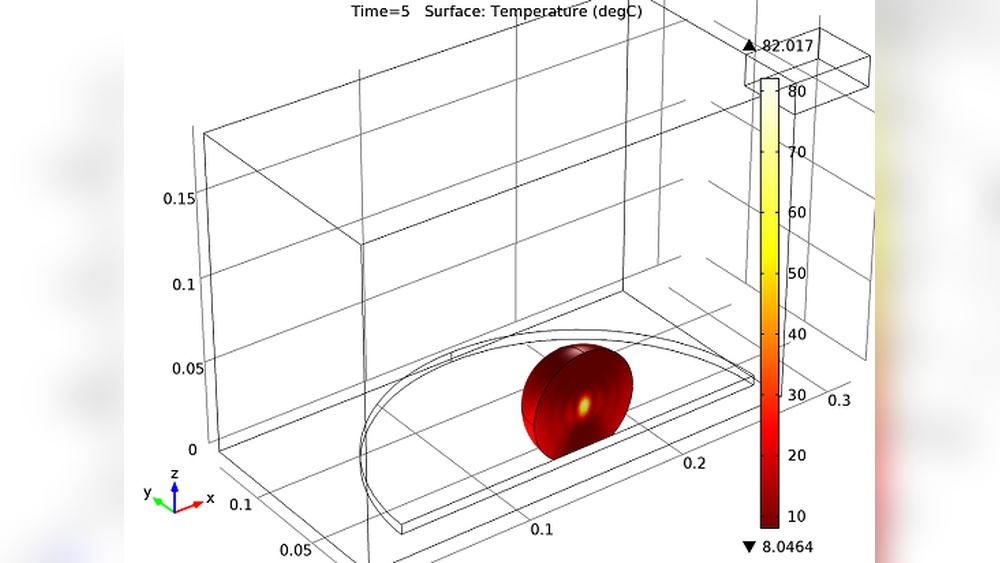
Microwaves do not spread evenly inside the oven. Some areas get more energy than others. This causes uneven heating in food.
Turntables help by rotating food. This spreads microwaves more evenly. Still, some parts may stay cooler or hotter.

Credit: advanceappliance.ca
How Microwave Waves Interact With Food
Microwaves heat food by sending waves that make water molecules move fast. This movement creates heat. Different parts of food have different amounts of water. That causes uneven heating.
Microwave waves do not heat food from the outside in. Instead, they penetrate food and heat it from the inside out. This process depends on how microwaves are absorbed by the food.
Microwave Energy And Water Molecules
Microwaves target water molecules in food. These molecules spin and create heat. Areas with more water heat faster. Dry parts heat slower or stay cool.
Food Density And Composition
Dense foods absorb microwaves differently. Fat and sugar affect heating too. Some parts get hot quickly. Others take longer to warm up.
Microwave Wave Patterns Inside The Oven
Microwaves bounce inside the oven. This creates spots with more energy. Some food areas get more waves. Other areas get fewer waves.
Shape And Size Of Food
Food shape changes how microwaves hit it. Thick parts heat slower. Thin parts heat faster. Large food can have cold spots inside.
Common Causes Of Uneven Heating
Microwaves often heat food unevenly. This can be frustrating, especially when some parts are hot, and others stay cold. Understanding the common causes helps you avoid this problem. Several factors affect how microwaves cook your food.
Food Composition And Density
Different parts of food absorb microwave energy in different ways. Dense foods take longer to heat. Foods with more water heat faster than dry ones. This makes some areas hotter than others. Mixing foods with different textures can cause uneven heating.
Container Shape And Material
The container you use affects heating. Round containers help microwaves cook food evenly. Square or rectangular containers may create hot and cold spots. Some materials block microwaves. Metal containers should never go in microwaves. Plastic or ceramic containers work best.
Microwave Turntable Issues
The turntable moves food during cooking. If it does not turn properly, food heats unevenly. A stuck or broken turntable causes cold spots. Make sure the turntable spins freely. This simple check can improve heating results.
Hidden Factors Affecting Heat Distribution
Microwaves heat food unevenly due to several hidden factors inside the oven. These factors affect how heat spreads inside the microwave. Understanding these can help you know why some spots get hot while others stay cold.
Microwave Magnetron Performance
The magnetron is the part that creates microwave energy. Its performance can change over time. A weak magnetron produces less energy. This causes some areas in the microwave to heat poorly.
Not all magnetrons work the same. Some may send out uneven waves. This makes heating irregular. A strong, well-functioning magnetron helps spread heat better.
Standing Wave Patterns
Microwaves bounce around inside the oven. They create standing waves, areas of high and low energy. Food in high-energy zones heats faster. Food in low-energy zones stays cooler.
These patterns depend on the size and shape of the microwave. They also change with the food’s shape and position. Standing waves cause some spots to heat more than others.
Tips To Achieve Even Heating
Microwaves often heat food unevenly due to how the waves move inside the oven. This can leave some parts hot and others cold. Using simple tips can help food heat more evenly. These tips make your meal warmer all around, not just in spots.
Proper Food Placement
Place food in the center of the microwave plate. Avoid stacking food too high or piling it in one spot. Spread the food out in a thin layer if possible. This helps the waves reach every part of the dish. Rotate or move the food halfway through heating.
Use Of Microwave-safe Containers
Choose containers made for microwave use. Avoid metal or thick plastic containers. Glass and ceramic work best for even heating. Containers with a flat base help heat distribute better. Cover food with a microwave-safe lid or wrap to keep moisture in.
Stirring And Pausing Techniques
Stop the microwave halfway through cooking. Stir the food to mix hot and cold areas. This spreads heat and prevents cold spots. Pausing lets heat spread evenly inside the food. Repeat stirring if heating takes longer.
Credit: spice.alibaba.com

Credit: physics.stackexchange.com
Frequently Asked Questions
Why Do Microwaves Heat Food Unevenly Sometimes?
Microwaves heat food unevenly because waves bounce inside the oven. Hot spots and cold spots form where waves overlap differently. Food shape and placement also affect heating.
How Does Food Shape Affect Microwave Heating?
Irregular shapes cause microwaves to heat some parts faster. Round or flat food heats more evenly. Thick parts take longer to warm up.
Does Microwave Power Level Impact Heating Uniformity?
Lower power levels cook food slower but more evenly. High power can cause outer parts to overheat. Adjusting power helps balance cooking.
Why Does Stirring Food Help With Uneven Heating?
Stirring moves hot and cold spots inside food. It spreads heat more evenly throughout the dish. This reduces cold spots and improves cooking.
Can Microwave Turntables Improve Heating Consistency?
Turntables rotate food to expose all sides to microwaves. This helps reduce cold spots and uneven heating. Most modern microwaves include this feature.
Conclusion
Microwaves heat food unevenly because of how waves move inside. Some areas get hotter, while others stay cool. Stirring or turning food helps spread heat better. Using microwave-safe covers also improves even cooking. Knowing this can make your meals tastier and safer.
Simple steps can fix uneven heating easily. Now, you understand why your food heats this way. Keep these tips in mind next time you cook. Enjoy warm, evenly heated meals every time!