

You’ve just brought home your favorite cheese, but how do you keep it fresh and tasty for as long as possible? Storing cheese the right way can make all the difference between a delicious bite and a disappointing snack.
If you’ve ever found your cheese turning dry, moldy, or losing flavor, you’re not alone. But don’t worry—this guide will show you simple, effective tips to store your cheese properly at home. Keep reading, and you’ll never waste cheese again.
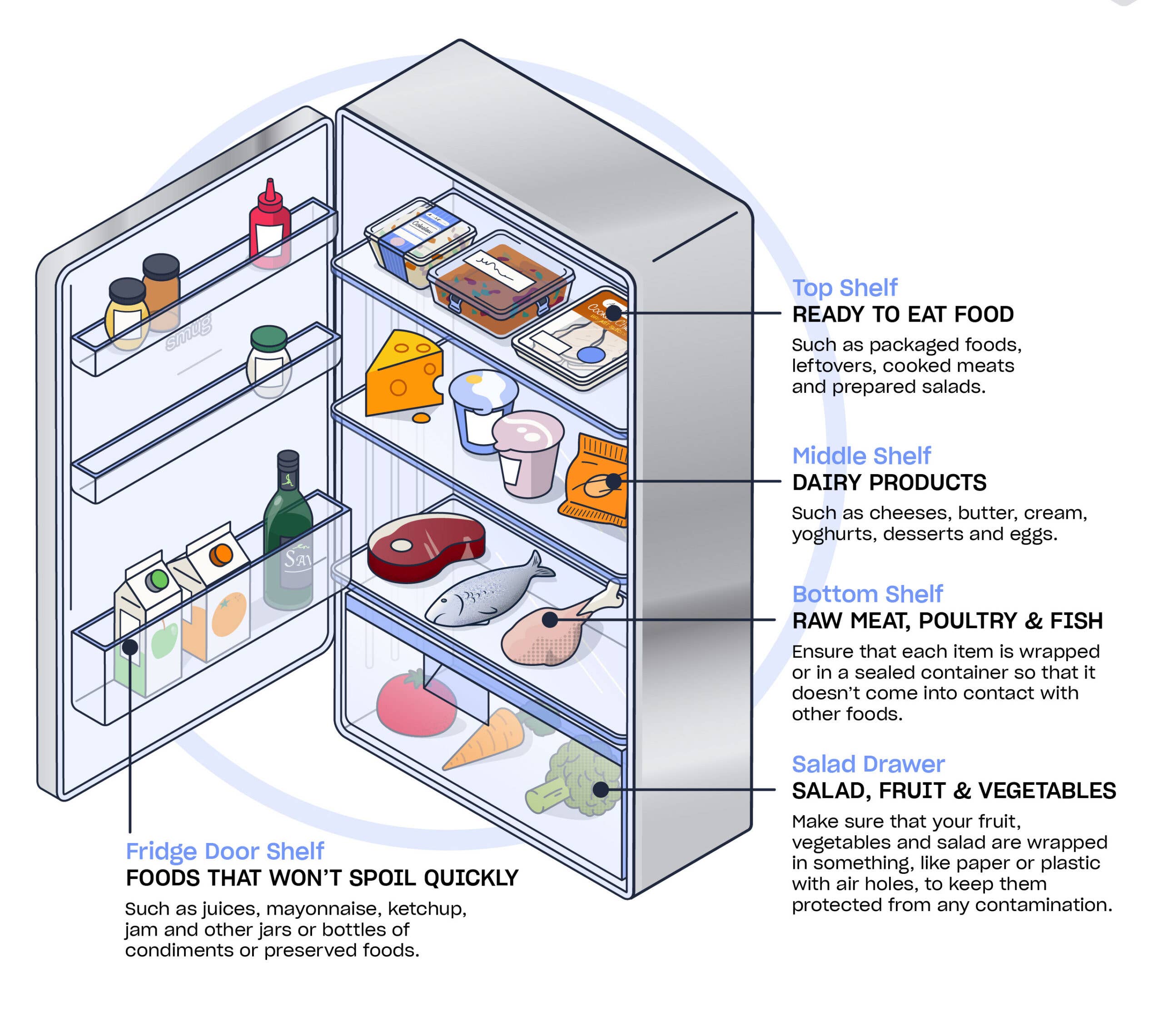
Credit: www.highspeedtraining.co.uk
Choosing The Right Cheese Storage
Choosing the right storage for cheese helps keep it fresh and tasty longer. Different cheeses need different care. Storing cheese properly stops it from drying out or spoiling. It also protects the flavors and textures that make cheese special. Understanding how to store each type of cheese is key to enjoying it fully.
Soft Vs Hard Cheese Storage
Soft cheeses like Brie and Camembert need gentle care. They have high moisture and can spoil quickly. Wrap soft cheese in wax paper or parchment paper. Avoid plastic wrap as it traps moisture and makes cheese soggy. Store soft cheese in a loose container to allow air flow.
Hard cheeses like Cheddar and Parmesan last longer. They need a dry, cool place. Wrap hard cheese in parchment paper or cheese paper. Then place it in a loose plastic bag or container. This keeps hard cheese from drying out but still lets it breathe.
Special Cases: Blue And Washed Rind Cheeses
Blue cheeses have strong smells and veins of mold. They need wrapping that controls moisture but limits air. Use wax or parchment paper wrapped loosely. Then keep them in a sealed container to avoid odor spreading.
Washed rind cheeses like Munster have sticky, smelly rinds. Store them in a container that can hold their strong aroma. Wrap them in wax paper or parchment first. This keeps the cheese fresh and stops other foods from absorbing the smell.
Ideal Temperature And Humidity
Cheese needs the right temperature and humidity to stay fresh. Too cold or too dry can ruin its taste and texture. Proper storage helps cheese keep its flavor longer. It also stops mold and spoilage. Understanding these factors is key to enjoying cheese at home.
Best Refrigerator Zones For Cheese
The best place for cheese is not the fridge door. The door temperature changes a lot. This can spoil cheese quickly. The vegetable drawer or the bottom shelf is better. These spots have a steady, cool temperature.
Hard cheeses like cheddar or parmesan do well on the middle shelves. Soft cheeses like brie or camembert need slightly warmer spots. Avoid cold zones near the freezer section. Cheese should be kept between 35°F and 45°F for best results.
Maintaining Humidity Levels
Cheese needs moisture to stay soft but not wet. Low humidity dries cheese out and makes it hard. Too much moisture causes mold to grow fast.
Use a cheese paper or wax paper to wrap cheese. This lets cheese breathe and keeps moisture balanced. Store wrapped cheese in a container with a damp cloth. This keeps humidity around 80%, ideal for most cheeses.
Packaging Techniques
Proper packaging keeps cheese fresh and tasty longer. It controls moisture and air exposure. Different cheeses need different packaging methods. Choosing the right one helps maintain flavor and texture. Here are some effective packaging techniques for home cheese storage.
Using Cheese Paper And Wax Paper
Cheese paper is designed to wrap cheese safely. It lets cheese breathe while keeping moisture inside. This prevents drying out or mold growth. Wax paper works similarly by creating a protective layer. Wrap cheese snugly but not too tight. Change paper every few days to keep cheese fresh.
Avoiding Plastic Wrap Pitfalls
Plastic wrap traps moisture, causing cheese to sweat. This makes cheese soggy and speeds up spoilage. It also blocks air, which cheese needs to stay fresh. Use plastic wrap only for short-term storage. Avoid wrapping cheese tightly in plastic for days.
Reusable Containers And Bags
Reusable containers provide a good seal and protect cheese. Choose containers with a small air gap to avoid moisture build-up. Silicone bags are flexible and keep cheese safe. They can be washed and used multiple times. This method is eco-friendly and keeps cheese fresh.
Handling Cheese Safely
Handling cheese safely helps keep it fresh and tasty. It also protects your health. Bacteria can grow on cheese if you do not handle it right. Careful steps stop germs and keep cheese safe to eat.
Preventing Cross-contamination
Use clean hands before touching cheese. Wash hands with soap and water for 20 seconds. Avoid touching other foods while handling cheese. Use separate knives and cutting boards for cheese. Do not place cheese near raw meat or fish. Store cheese in clean containers or wrap it well. Keep cheese away from strong-smelling foods to avoid flavor mixing.
Proper Cutting And Serving Practices
Cut cheese with a clean knife each time. Avoid using the same knife for different types of cheese. Serve cheese on clean plates or boards. Do not leave cheese out for more than two hours. Cover cheese when not serving. Slice only what you will eat to keep the rest fresh. Use clean utensils to handle cheese during serving.
Extending Shelf Life
Extending the shelf life of cheese helps reduce waste and saves money. Proper storage keeps cheese fresh longer and maintains its flavor. Knowing how to handle cheese carefully is key to avoiding spoilage. Small steps make a big difference in how long cheese lasts.
Freezing Cheese: When And How
Freezing cheese is not for all types. Hard cheeses like cheddar freeze well. Soft cheeses like brie do not freeze nicely. Wrap cheese tightly in plastic wrap or foil. Place it in an airtight freezer bag to avoid freezer burn. Label the package with the date before freezing. Use frozen cheese mainly for cooking, not for eating raw. Thaw cheese slowly in the fridge before use. Use frozen cheese within two to three months for best taste.
Reviving Stale Cheese
Stale cheese can still be usable with care. Grate or shred it to hide slight dryness. Use stale cheese in cooked dishes like sauces or soups. Soften hard cheese by wrapping it in a damp cloth for a few hours. Avoid eating moldy cheese unless it is a hard type with mold on the outside. Cut off the moldy part with a wide margin. Smell and taste to check freshness after reviving. When in doubt, discard the cheese to stay safe.

Credit: thecheesewedge.ca
Common Mistakes To Avoid
Storing cheese properly at home helps keep its flavor and texture. Many people make simple mistakes that spoil cheese faster. Avoiding these errors can make your cheese last longer and taste better. Here are two common mistakes to watch out for.
Overexposure To Air And Light
Cheese dries out quickly if left exposed to air. It loses moisture and becomes hard. Wrapping cheese tightly slows this process. Use wax paper or parchment paper, not plastic wrap directly on cheese. Light can also break down fats in cheese. Store cheese in a dark part of the fridge. This keeps flavor and texture fresh.
Storing Cheese Near Strong Odors
Cheese absorbs smells from nearby foods easily. This changes its natural taste. Avoid placing cheese near onions, garlic, or strong spices. Store cheese in a separate container or wrapped well. This protects its flavor and keeps your fridge smelling clean.
Credit: dibruno.com
Frequently Asked Questions
How Long Can Cheese Be Stored At Home?
Cheese storage time varies by type. Hard cheeses last 3-4 weeks, while soft cheeses last 1-2 weeks. Proper wrapping and refrigeration extend freshness. Always check for mold or off smells before consumption.
What Is The Best Way To Wrap Cheese For Storage?
Wrap cheese in wax paper or parchment paper first. Then, loosely cover it with plastic wrap or place it in a breathable container. This prevents moisture buildup and allows cheese to breathe, preserving texture and flavor.
Can Cheese Be Frozen Without Losing Quality?
Freezing cheese can alter texture, making it crumbly. Hard cheeses freeze better than soft ones. Wrap cheese tightly in plastic wrap and foil before freezing. Use frozen cheese mainly for cooking, not fresh eating.
Where In The Refrigerator Should Cheese Be Stored?
Store cheese in the vegetable drawer or a dedicated cheese drawer. These areas maintain consistent humidity and temperature. Avoid the fridge door, where temperature fluctuates, to keep cheese fresh longer.
Conclusion
Storing cheese the right way keeps it fresh and tasty longer. Wrap cheese in wax paper or parchment paper first. Then place it in a loose plastic bag or container. Keep cheese in the fridge’s vegetable drawer for best results.
Avoid freezing most cheeses to keep their texture. Check cheese regularly for any mold or spoilage. Proper storage saves money and reduces waste. Enjoy your cheese at its best every time. Small steps make a big difference in cheese care.