Have you ever felt overwhelmed while cooking or noticed how long it takes to prepare a meal in your kitchen? The secret to making your cooking experience smoother and faster lies in your kitchen workflow.
Understanding why kitchen workflow is important can change the way you cook every day. It’s not just about saving time—it’s about reducing stress, improving safety, and making your kitchen a place you actually enjoy working in. Keep reading to discover how a well-planned kitchen flow can transform your cooking routine and make your life easier.
Benefits Of Efficient Kitchen Workflow
Efficient kitchen workflow creates a smooth and organized cooking process. It helps the kitchen team work faster and better. The right flow reduces confusion and keeps tasks clear. This leads to many benefits for the kitchen and the food served.
Increased Productivity
A good kitchen workflow saves time on each task. Chefs and staff move easily from one step to the next. Less waiting means more meals prepared in less time. This boosts the overall output of the kitchen. The team can handle busy hours without stress.
Reduced Errors
Clear workflow lowers the chance of mistakes. Staff know their roles and where to find tools. Orders are prepared correctly and quickly. This reduces waste from wrong dishes or spoiled ingredients. Customers get the right meal every time, improving satisfaction.
Enhanced Food Quality
With smooth workflow, chefs focus on cooking with care. Proper timing keeps food fresh and tasty. Ingredients are used at their best, preserving flavor and texture. The kitchen produces consistent, high-quality dishes. This builds a good reputation for the restaurant.

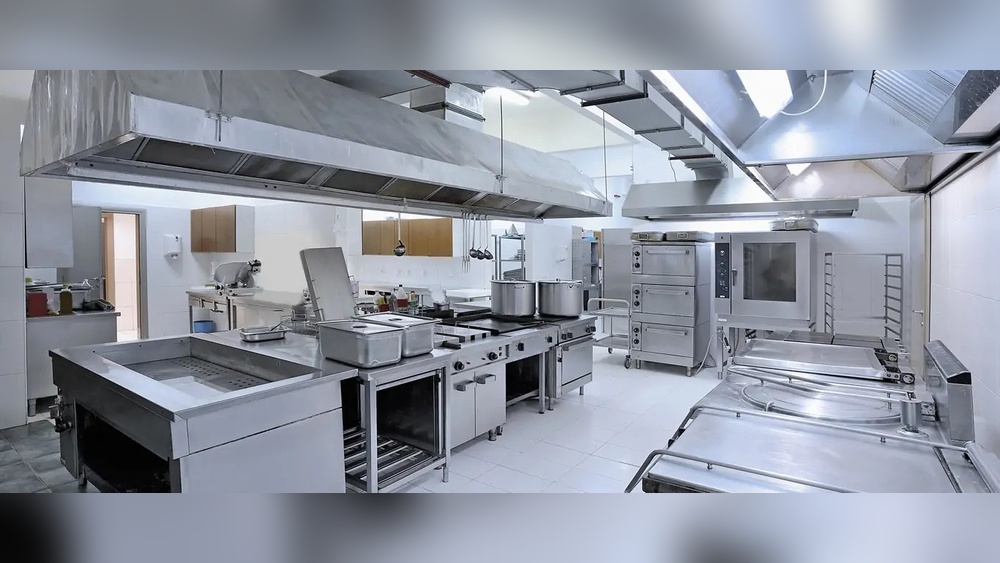
Credit: www.shutterstock.com
Key Elements Of Kitchen Workflow
Efficient kitchen workflow is the backbone of any busy kitchen. It helps reduce mistakes, saves time, and improves food quality. Understanding the key elements of kitchen workflow can make daily operations smoother and more productive.
Each element plays a vital role in how tasks are completed, how the team works together, and how the kitchen space is used. Let’s explore these important parts one by one.
Task Organization
Task organization means planning what needs to be done and when. It involves breaking down large jobs into smaller steps. Chefs and staff know their duties and the order of tasks. This reduces confusion and speeds up food preparation. Clear task lists help avoid delays and keep the kitchen running well.
Equipment Placement
Equipment placement is about where tools and machines are located. Items used often should be easy to reach. For example, knives near cutting boards, ovens close to prep areas. Good placement saves time moving around the kitchen. It also lowers accidents and clutter. A well-arranged kitchen helps cooks work faster and safer.
Staff Coordination
Staff coordination means working as a team. Everyone must know their role and communicate clearly. Sharing updates and helping each other keeps the flow steady. When staff coordinate well, food is prepared on time. It also reduces mistakes and wasted effort. Teamwork is key to a smooth kitchen workflow.
Common Workflow Challenges
Kitchen workflow can face many problems that slow down cooking and cause mistakes. These challenges affect how well the kitchen works and how fast food is served. Understanding these common issues helps improve the kitchen environment and makes cooking easier for everyone.
Space Constraints
Small kitchens limit how many people can work at once. Tight spaces cause workers to bump into each other. It becomes hard to move quickly between stations. Limited counter space makes food prep difficult. Storage areas may not hold all needed supplies. These space problems lead to slower work and more errors.
Communication Breakdowns
Clear talk is key in any kitchen. Noise from cooking and machines makes hearing hard. Team members might miss orders or instructions. Misunderstandings cause wrong dishes or delays. Lack of clear roles can confuse workers. Poor communication lowers team efficiency and food quality.
Inefficient Layouts
Bad kitchen design wastes time and energy. Workers walk too far between stations. Tools and ingredients are not easy to reach. Cooking, cleaning, and prep areas are mixed up. This causes delays and frustration. A poor layout reduces speed and increases mistakes.
Designing A Streamlined Kitchen
Designing a streamlined kitchen makes cooking easier and faster. It helps reduce stress and keeps the space organized. A well-planned kitchen saves steps and avoids clutter. Every part of the kitchen should have a clear purpose.
This design improves efficiency and creates a pleasant cooking experience. It also helps keep the kitchen safe and clean. Thoughtful design supports smooth movement and quick access to tools and ingredients.
Zoning Work Areas
Divide the kitchen into zones for different tasks. Create separate areas for cooking, cleaning, and food prep. Keep tools and ingredients close to their zones. This reduces walking back and forth.
For example, place the stove near the prep area. Keep the sink close to the dishwasher and trash bin. Organize storage based on how often you use items. This saves time and effort during cooking.
Optimizing Traffic Flow
Plan paths that avoid crossing or crowding. Make sure people can move freely without bumping into each other. Leave enough space between counters and appliances. Wide walkways improve safety and comfort.
Arrange doors, drawers, and appliances to open easily. Avoid placing major appliances in narrow or busy spots. Proper flow keeps the kitchen calm and efficient, even with many users.
Incorporating Technology
Use modern tools to speed up kitchen tasks. Smart appliances can save energy and time. For example, touchless faucets and timers help keep things clean and on track.
Install good lighting to improve visibility. Use charging stations for devices to stay connected. Technology supports a smoother workflow and reduces frustration in the kitchen.
Training Staff For Workflow Success
Training staff is key to achieving smooth kitchen workflow. Well-trained employees work faster and make fewer mistakes. This helps the whole kitchen run better.
Good training builds confidence in staff. They know what to do and when to do it. This reduces confusion during busy times and keeps orders on track.
Clear Role Assignments
Every staff member needs a clear role. Define tasks like cooking, prepping, or cleaning. This stops overlap and helps workers focus on their jobs.
Clear roles make it easy to spot problems. If something goes wrong, you know who to ask. It also helps new staff learn faster.
Standard Operating Procedures
Use written guides for each kitchen task. These procedures keep work consistent and safe. Staff can follow the same steps every time.
Standard operating procedures reduce errors. They help new workers understand the kitchen flow. This keeps food quality high and service quick.
Continuous Improvement Practices
Encourage staff to suggest ways to improve. Regular meetings or feedback sessions help find issues fast. Fixing problems makes the workflow smoother over time.
Training should never stop. Update staff on new methods or tools. This keeps the kitchen efficient and ready for busy days.
Measuring Workflow Efficiency
Measuring workflow efficiency in the kitchen helps identify areas for improvement. It shows how well tasks are completed and where delays happen. Tracking efficiency boosts productivity and reduces waste. It also improves staff coordination and customer satisfaction.
Time Tracking Techniques
Time tracking measures how long each task takes. Use timers or apps to record prep, cooking, and cleaning times. Compare these times to set standards. This shows which steps slow down the process. Time tracking helps manage breaks and shifts effectively.
Performance Metrics
Performance metrics include order accuracy, speed, and waste levels. Track the number of orders completed on time. Measure errors in food preparation and delivery. Monitor ingredient usage to reduce waste. These metrics highlight strengths and weaknesses in the workflow.
Feedback Systems
Feedback from staff reveals practical workflow issues. Use surveys or quick meetings to gather input. Encourage open communication about challenges and ideas. Customer feedback also shows how workflow affects service. Regular feedback leads to continuous workflow improvement.
Case Studies Of Improved Kitchen Workflow
Understanding how improved kitchen workflow impacts daily operations helps visualize its value. Real examples show how small changes create big results.
These case studies reveal the benefits of better workflow in different kitchen settings. See how restaurants, catering services, and home kitchens improved efficiency.
Restaurant Transformations
A small diner reorganized its kitchen layout to reduce walking time. Chefs and servers moved smoothly, speeding up order delivery. Customer wait times dropped significantly. The kitchen staff felt less stressed and more productive. This change increased table turnover and boosted daily sales.
Catering Service Enhancements
A catering company adjusted its prep stations to match event sizes. Workers prepared ingredients in batches, reducing waste and time. Packing and loading became faster and more organized. Events ran on schedule, and client satisfaction improved. Staff communication improved, cutting down errors during busy times.
Home Kitchen Upgrades
A family redesigned their kitchen to make cooking easier and faster. They placed tools and ingredients within easy reach. Meal prep became more enjoyable and less tiring. Cleanup took less time thanks to better sink and trash placement. The whole family started cooking together more often.
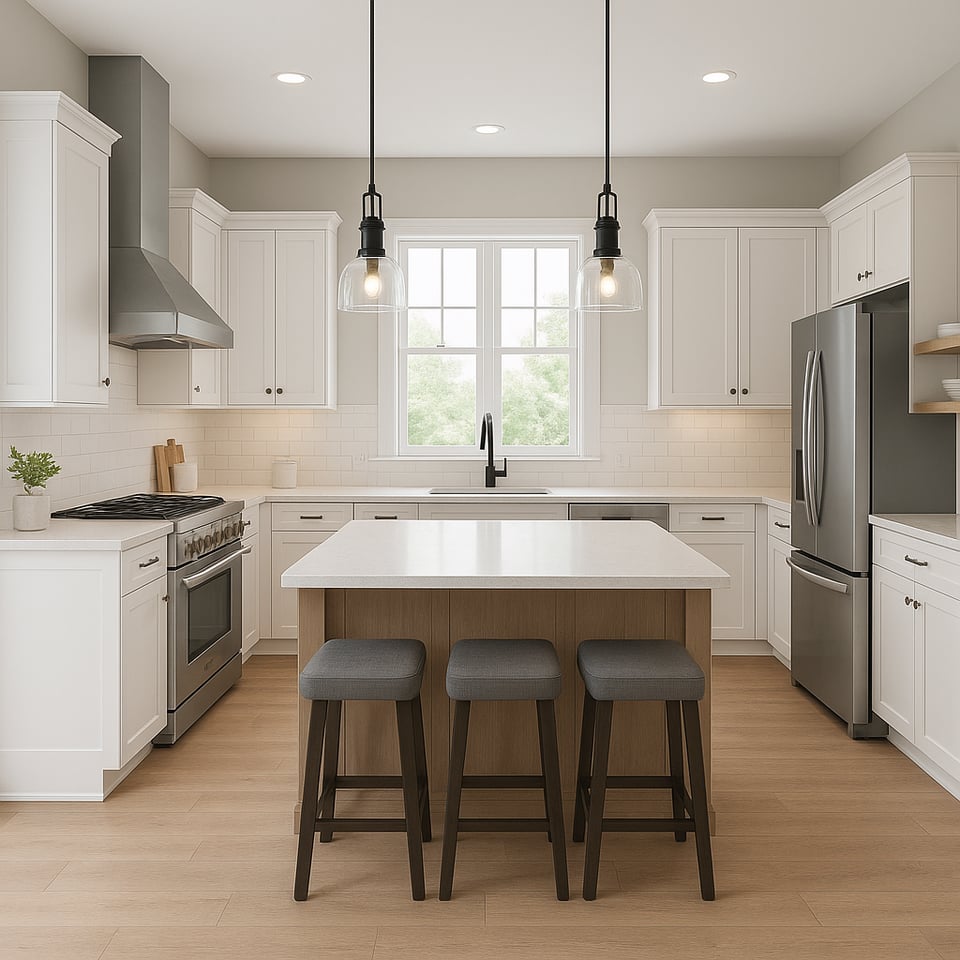
Credit: ls-usa.com

Credit: www.urbantablekc.com
Frequently Asked Questions
Why Is Kitchen Workflow Essential For Efficiency?
Kitchen workflow streamlines tasks, reducing time and effort. It minimizes errors, enhances coordination, and boosts overall productivity. Efficient workflow helps maintain consistency in food quality and speeds up service, improving customer satisfaction and kitchen safety.
How Does Kitchen Workflow Improve Food Quality?
A well-organized workflow ensures timely preparation and proper handling of ingredients. It reduces mistakes and contamination risks. Consistent steps and clear communication help maintain high standards, resulting in better taste, presentation, and hygiene.
What Role Does Kitchen Workflow Play In Safety?
Proper workflow reduces clutter and confusion, lowering accident risks. It enforces hygiene practices and prevents cross-contamination. Clear task assignments and space management protect staff from burns, cuts, and slips, creating a safer work environment.
Can Kitchen Workflow Reduce Food Waste?
Yes, an efficient workflow helps track inventory and usage accurately. It prevents over-preparation and spoilage by organizing storage and preparation processes. This leads to cost savings and less environmental impact.
Conclusion
A smooth kitchen workflow saves time and reduces stress. It helps cooks work faster and keeps the kitchen safe. Good flow means less wasted effort and fewer mistakes. It also makes cooking more enjoyable for everyone. Paying attention to how tasks move can improve any kitchen.
Small changes lead to better results and happier cooks. Remember, a well-planned kitchen works like a well-oiled machine.