Struggling to make the most of your small kitchen? You’re not alone.
Finding the best layout for a limited space can feel like a puzzle. But with the right design, your kitchen can become a stylish, efficient, and comfortable place to cook and gather. Imagine moving effortlessly between your fridge, sink, and stove—without bumping into counters or feeling cramped.
Ready to discover how to turn your small kitchen into a smart, inviting space? Keep reading, because the perfect layout for your kitchen is closer than you think.

Credit: ohanlonkitchens.com
Choosing The Right Layout
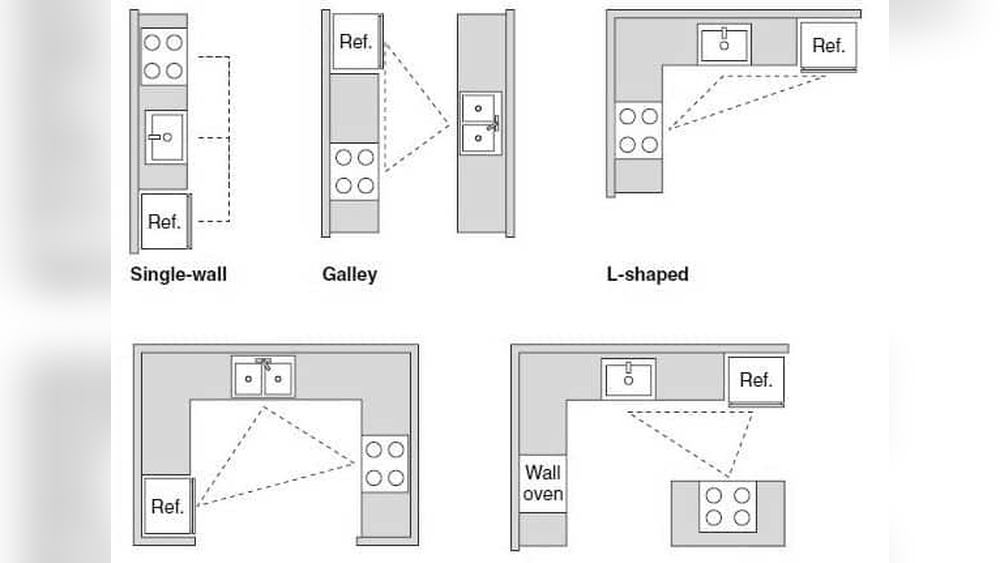
Choosing the right layout for a small kitchen is key to making the space work well. The layout affects how you move, cook, and store items. Picking the right design helps keep your kitchen tidy and easy to use. It also makes the area feel bigger and more open. Here are some popular layouts that fit small kitchens perfectly.
Single Wall Design
The single wall design places all kitchen elements on one wall. This layout saves space and keeps everything within reach. It works well in narrow rooms or open plan areas. You can add shelves or cabinets above for extra storage. It’s simple but very practical for small kitchens.
Galley Kitchen Benefits
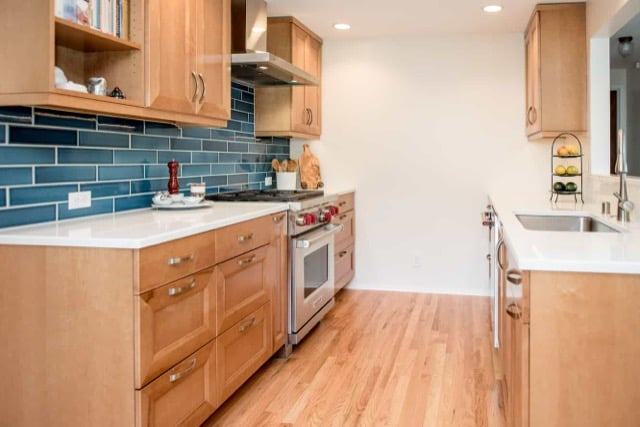
A galley kitchen has two parallel walls with a walkway in between. This layout maximizes space and storage. It allows for easy movement from one side to the other. The galley style is efficient for cooking and cleaning. It fits well in narrow or small rectangular rooms.
L-shaped Efficiency
The L-shaped layout uses two adjacent walls to create a corner kitchen. This design opens up the room and provides more counter space. It allows for more flexibility in placing appliances. The L-shape helps separate cooking and cleaning areas. It suits small kitchens with enough room for a dining table.
U-shaped Options
The U-shaped layout surrounds you with counters and cabinets on three sides. It offers plenty of storage and workspace. This design makes cooking tasks easier by keeping everything close. The U-shape works best in small kitchens with enough space for movement. It creates a cozy and efficient kitchen environment.
Maximizing Storage Space
Maximizing storage space is key in a small kitchen. Every inch counts to keep things neat and easy to find. Clever storage ideas help you fit more without clutter. Organizing well makes cooking and cleaning faster and more fun.
Vertical Storage Solutions
Use walls for extra storage. Tall shelves or cabinets use space up to the ceiling. Hooks and magnetic strips hold utensils and knives. This clears countertops and keeps tools close. Vertical racks for spices save drawer space.
Pull-out Cabinets
Pull-out cabinets make hidden areas accessible. Slim pull-outs fit between appliances or counters. They store bottles, cans, or cleaning supplies. Easy to reach and organize, they reduce clutter. These cabinets use narrow spaces efficiently.
Corner Storage Ideas
Corners often become wasted space. Install lazy Susans or rotating shelves. These allow easy access to items in deep corners. Corner drawers can fit pots and pans. Smart corner storage maximizes every part of your kitchen.
Optimizing Counter Space
Optimizing counter space is key for small kitchens. It helps keep the area neat and functional. More counter space means easier meal prep and better organization. Small kitchens need smart solutions to increase usable surfaces without crowding the room.
Multi-functional Surfaces
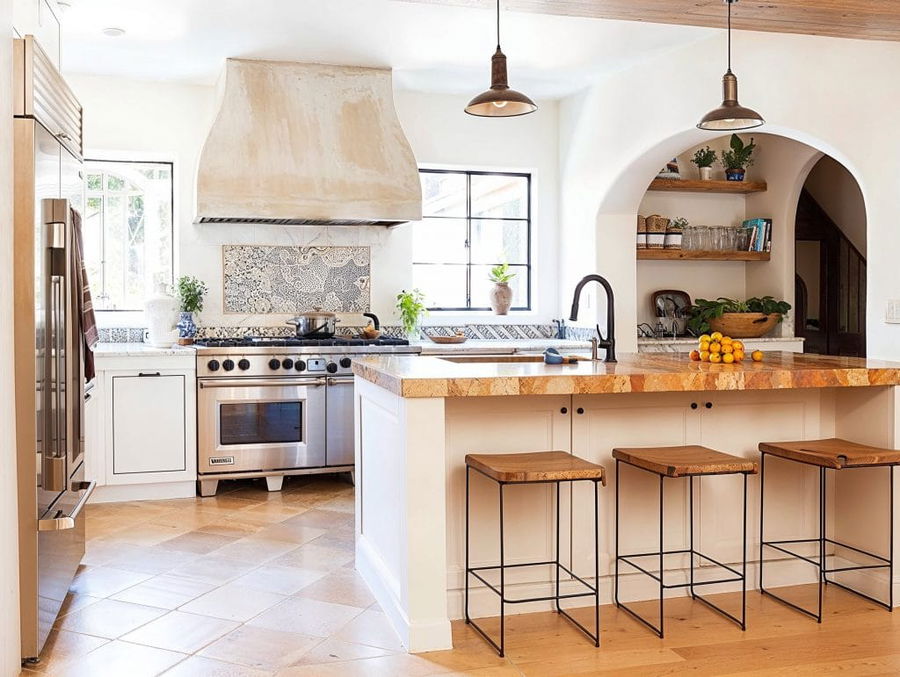
Multi-functional surfaces serve more than one purpose. For example, a countertop can double as a dining table. Some counters include built-in cutting boards or storage underneath. These surfaces save space and reduce clutter. They keep tools and ingredients close at hand.
Foldable And Extendable Counters
Foldable counters can be tucked away when not in use. They free up space for moving around. Extendable counters pull out or slide to add extra surface area. These counters offer flexibility for cooking or serving. They fit well in kitchens with limited room.
Credit: www.decorilla.com
Choosing Appliances Wisely
Choosing the right appliances is key for a small kitchen layout. Appliances take up a lot of space. Picking the right size and style can save room and keep the kitchen functional. Small kitchens need appliances that fit well and work efficiently. Smart choices help maintain open space and make cooking easier.
Compact Appliances
Compact appliances are smaller than standard models. They fit better in tight spaces without losing performance. Look for slim refrigerators, narrow dishwashers, and small ovens. These appliances help keep counters clear and floors open. They make the kitchen feel less crowded and more organized.
Many compact appliances come with modern features. They offer good capacity despite their size. Choosing these helps balance space and usability. A small kitchen works best with appliances designed to save space.
Built-in Options
Built-in appliances blend into cabinets and walls. They create a smooth, clean look in small kitchens. Built-in ovens, microwaves, and refrigerators save floor space. These options keep everything flush and tidy.
Built-in appliances often have custom sizes. They fit perfectly in designated spots. This reduces clutter and improves kitchen flow. Using built-in options maximizes every inch of space. It also adds a stylish touch to small kitchens.
Lighting And Color Choices
Lighting and color play a big role in making a small kitchen feel open and welcoming. The right choices can brighten the space and make it look larger than it really is. Light and color work together to create a fresh and airy atmosphere. This section explains how to use lighting and colors to improve your small kitchen layout.
Brightening Small Spaces
Natural light makes small kitchens feel open and fresh. Use sheer curtains or no curtains at all to let in daylight. Add under-cabinet lighting to brighten work areas without taking up space. Choose LED lights with a warm white tone to create a cozy feel. Avoid harsh overhead lights that cast strong shadows. Layer lighting by mixing ceiling lights, task lights, and accent lights. Mirrors reflect light and add depth. Place them opposite windows or light sources for the best effect.
Color Palettes That Expand
Light colors help a small kitchen look bigger. Whites, creams, and soft pastels reflect light well. Use these colors on walls, cabinets, and countertops. Avoid dark colors that absorb light and make the space feel tight. Bright color accents add personality without crowding the room. Consider pale blues, soft greens, or light grays for a calm look. Keep the ceiling the lightest color to lift the room. A consistent color scheme across the kitchen creates a smooth, open flow.
Creating Flow And Accessibility
Creating flow and accessibility in a small kitchen is key to making the space work well. It helps people move easily and use the kitchen without trouble. A good layout lets you cook, clean, and store items quickly. This saves time and avoids frustration.
Designing a kitchen that flows well also makes it feel larger. It stops the space from feeling crowded. Every part of the kitchen should connect smoothly to the others. This makes cooking safer and more fun.
Work Triangle Principles
The work triangle connects the sink, stove, and refrigerator. This is the core of kitchen flow. Keeping these three points close but not crowded helps you work fast. The triangle should have clear paths and short distances.
In a small kitchen, keep the triangle compact but open. Avoid placing obstacles inside the triangle. This way, you can move between stations easily. The triangle layout reduces walking and speeds up meal prep.
Clear Walkways
Walkways should be wide enough to move without bumping into things. A minimum of 36 inches is best for kitchen paths. This space lets two people pass each other comfortably. Clear walkways also stop accidents and spills.
Keep floors free of clutter. Avoid placing furniture or appliances in the path. Use slim or built-in storage to save space. Clear walkways improve safety and keep the kitchen feeling open.
Incorporating Style Without Clutter
In small kitchens, style should never mean clutter. Every inch counts, so design must focus on clean lines and open space. Adding personality without crowding makes the kitchen feel larger and more inviting.
Choosing the right elements keeps the space fresh and functional. Each piece must serve a purpose and add to the overall look. Thoughtful design brings charm without chaos.
Minimalist Decor
Minimalist decor shines in small kitchens. Simple colors, smooth surfaces, and clean shapes create a calm atmosphere. Avoid busy patterns or too many colors. Stick to one or two tones for a neat look.
Cabinets with flat fronts and hidden handles keep walls uncluttered. Open shelves can work, but limit items on display. Each visible object should add beauty or function.
Smart Use Of Accessories
Accessories should enhance, not crowd, the kitchen. Choose a few small, stylish pieces like a sleek fruit bowl or elegant utensil holder. Use wall hooks or magnetic strips to save counter space.
Pick items that match the kitchen’s color scheme and style. Keep countertops mostly clear to maintain an airy feel. Use compact containers for essentials to stay organized.
Credit: www.hogandesignandconstruction.com
Frequently Asked Questions
What Is The Most Efficient Small Kitchen Layout?
The most efficient layout for small kitchens is the L-shape. It maximizes corner space and allows easy movement. This design offers flexibility for appliances and storage. It also creates a natural work triangle, improving cooking efficiency and reducing clutter.
How Can I Maximize Storage In A Small Kitchen?
Use vertical storage like tall cabinets and shelves. Incorporate pull-out drawers and organizers inside cabinets. Opt for multi-functional furniture such as island carts with storage. Declutter regularly to keep only essentials. These tips help maximize space and keep your small kitchen organized.
Are Galley Kitchens Good For Small Spaces?
Yes, galley kitchens are ideal for small spaces. They use two parallel countertops, optimizing workspace and storage. This layout reduces walking distance between work areas. It’s perfect for efficient cooking and fits narrow rooms well. Proper lighting and open shelving enhance its functionality.
What Color Schemes Suit Small Kitchen Layouts?
Light colors like white, beige, or pastels make small kitchens appear larger. They reflect more light, creating an airy feel. Use contrasting colors for accents to add depth. Glossy finishes also help by reflecting light. This approach brightens the space and enhances openness.
Conclusion
Choosing the best layout for a small kitchen helps save space and improve use. Think about what works for your daily cooking and storage needs. A good layout makes moving around easier and keeps things close. Simple designs often fit small kitchens best.
Remember, a small kitchen can still be stylish and practical. Planning carefully leads to a kitchen you enjoy every day. Small space, big ideas.