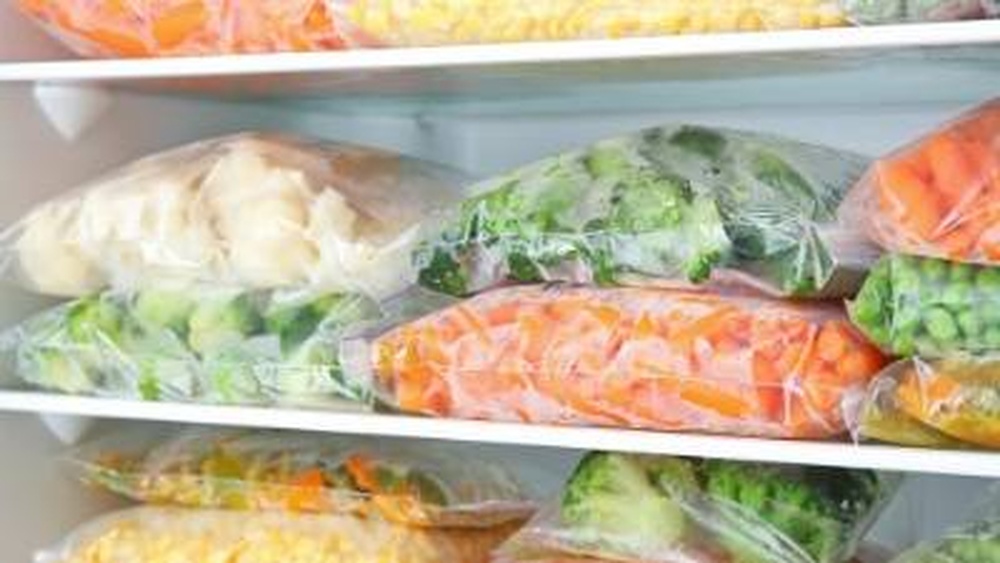
Are you tired of your frozen vegetables losing their taste or turning freezer-burned before you get a chance to use them? Storing frozen veggies the right way can make all the difference in keeping them fresh, flavorful, and nutritious.
You’ll discover simple, effective tips to help you store your frozen vegetables safely. By following these easy steps, you’ll save money, reduce waste, and enjoy better meals every time. Keep reading to unlock the secrets to perfect frozen veggie storage!
Choosing The Right Vegetables
Choosing the right vegetables for freezing helps keep their taste and texture. Not all vegetables freeze well. Some lose flavor or become mushy after thawing. Picking the best types ensures fresh meals later. It also reduces waste and saves money.
Best Vegetables For Freezing
Carrots, peas, green beans, and broccoli freeze well. These keep their shape and flavor after thawing. Spinach and kale are good too. They work great for soups or smoothies. Corn and cauliflower also hold up nicely in the freezer.
Avoiding High-moisture Varieties
Vegetables with high water content do not freeze well. Cucumbers, lettuce, and celery become soggy. Tomatoes can turn mushy and lose taste. These vegetables often need special preparation before freezing. Avoid freezing them raw for best results.

Credit: blog.wonkybox.nz
Preparing Vegetables For Freezing
Preparing vegetables for freezing is an important step to keep them fresh and tasty. Proper preparation helps maintain flavor, texture, and nutrients. It also stops the growth of bacteria and molds.
Follow these simple steps to prepare vegetables well before freezing. Clean and cut them properly. Use blanching to preserve color and texture. Dry the vegetables to prevent ice crystals.
Washing And Cutting
Wash vegetables under cold running water. Remove dirt, bugs, and any chemicals. Use a brush for firm vegetables like carrots or potatoes. Cut vegetables into uniform pieces. Smaller pieces freeze faster and thaw evenly.
Blanching Techniques
Blanching stops enzyme action that causes spoilage. Boil water or use steam for blanching. Place vegetables in boiling water for 1 to 5 minutes. Time depends on the vegetable type. Then, quickly cool them in ice water. This method keeps vegetables crisp and colorful.
Drying Before Freezing
Dry vegetables well after blanching. Use a clean towel or paper towels to remove moisture. Excess water causes ice crystals that damage texture. Spread vegetables on a tray to air dry if needed. Dry vegetables freeze better and stay fresh longer.
Packaging Methods
Proper packaging is key to keeping frozen vegetables fresh and tasty. Good packaging stops air and moisture from spoiling your veggies. It also helps keep flavors and nutrients locked inside. Let’s explore simple ways to package frozen vegetables safely.
Using Airtight Containers
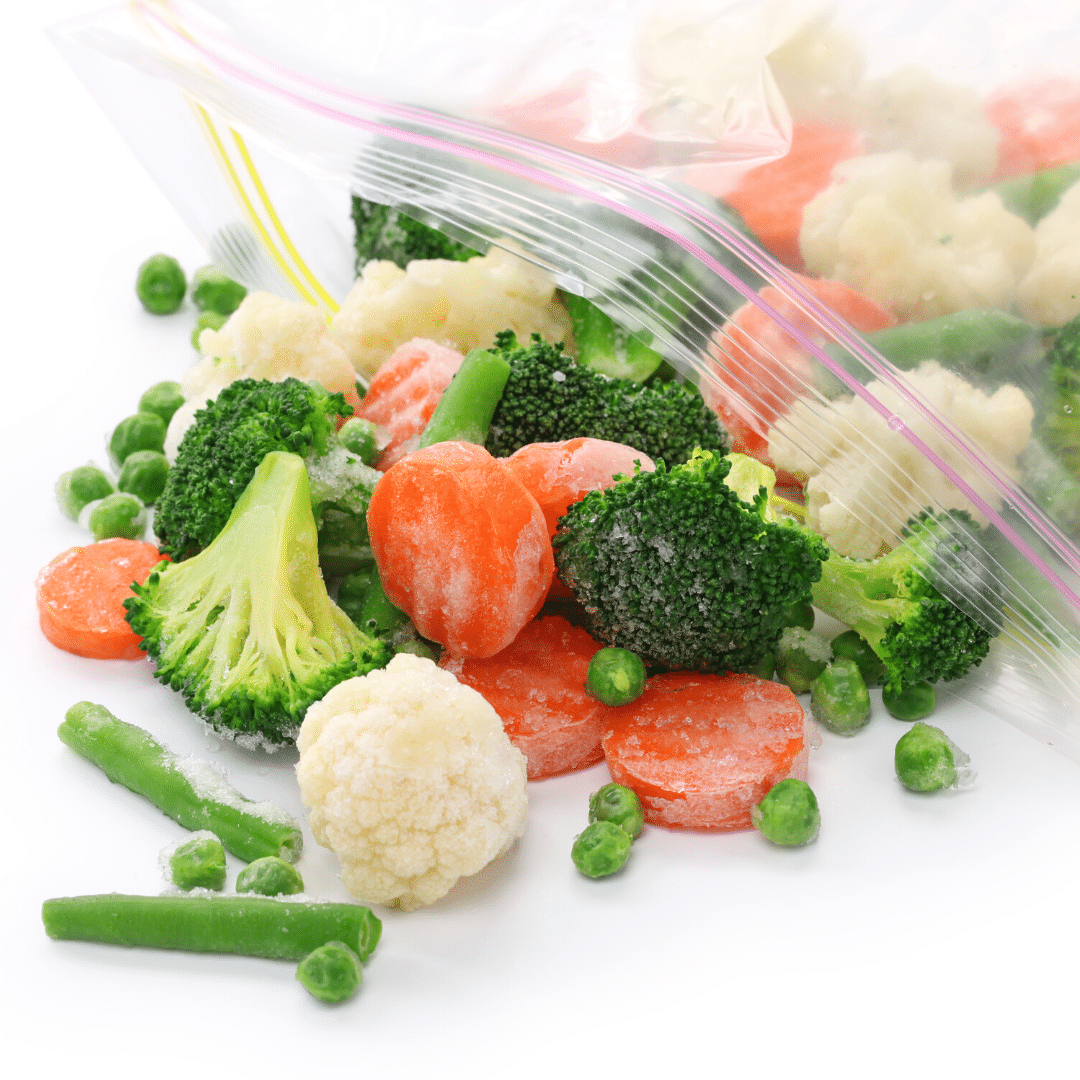
Airtight containers block air and moisture. This prevents freezer burn and keeps vegetables crisp. Use plastic or glass containers with tight lids. Make sure containers are freezer-safe to avoid cracks. Fill containers fully but leave some space for expansion.
Vacuum Sealing Benefits
Vacuum sealing removes all air around vegetables. This method extends freezer life and keeps veggies fresh longer. It reduces frost buildup and prevents freezer burn. Vacuum-sealed bags are thin and save space. They also protect vegetables from odors in the freezer.
Labeling And Dating
Always label packages with the vegetable name and freeze date. This helps you use older vegetables first. Use waterproof markers or labels that stick in the freezer. Clear labeling avoids waste and keeps your freezer organized. It ensures you eat your veggies while fresh.
Credit: plantyou.com
Freezing Tips
Freezing vegetables is a great way to keep them fresh for a long time. Knowing the right tips helps keep their taste and nutrients. Proper freezing also stops waste and saves money.
Optimal Freezing Temperatures
Set your freezer to 0°F (-18°C) or lower. This keeps vegetables safe and fresh. Temperatures above this can cause spoilage and loss of quality. Check the freezer’s temperature regularly for best results.
Avoiding Freezer Burn
Freezer burn happens when air touches the food. It makes vegetables dry and tasteless. Use airtight containers or heavy-duty freezer bags. Remove as much air as possible before sealing. Wrap vegetables tightly to protect from cold air.
Freezing In Portions
Freeze vegetables in small, usable portions. This makes thawing easier and prevents waste. Use separate bags or containers for each portion. Label each with the date to track freshness. Portioning saves time when cooking later.
Thawing Frozen Vegetables
Thawing frozen vegetables properly keeps them safe and tasty. It stops harmful bacteria from growing. Thawing the right way helps keep the texture and flavor fresh. There are easy methods to follow for safe thawing.
Safe Thawing Practices
Thaw frozen vegetables in the refrigerator. This keeps them at a safe temperature. Avoid thawing at room temperature. Bacteria can grow quickly in warm conditions. Use a bowl or tray to catch any water from thawing. This keeps your kitchen clean.
You can also thaw vegetables under cold running water. Make sure the vegetables are in a sealed bag. Change the water every 30 minutes. This method is faster but still safe.
Using Frozen Vegetables Directly
Many frozen vegetables can be cooked without thawing. Add them straight to soups, stir-fries, or casseroles. Cooking from frozen saves time and keeps nutrients. Stir gently to avoid breaking the vegetables. This method works well for most dishes.
Avoiding Refreezing
Do not refreeze thawed vegetables. Refreezing can cause loss of flavor and texture. It may also increase the risk of foodborne illness. Use thawed vegetables within one to two days. Store them in the refrigerator until you cook them.
Storage Duration And Quality
Frozen vegetables keep well for a long time. But their quality changes as they stay frozen. Knowing how long to store them helps keep taste and nutrition. It also prevents waste from spoiled food. Let’s explore storage times and signs of spoilage. Plus, how to keep nutrients intact.
Recommended Storage Times
Most frozen vegetables last about 8 to 12 months. Some types, like peas and corn, stay good closer to 12 months. Others, such as leafy greens, keep best for 8 months. Store vegetables in airtight bags or containers to avoid freezer burn. Label packages with the date you froze them. Use older items first to reduce waste.
Signs Of Spoilage
Check frozen vegetables for ice crystals or frost buildup. These signs may mean freezer burn. Freezer-burned veggies taste dry and lose texture. Look for discoloration or strange smells after thawing. Soft or mushy texture also means spoilage. Toss any vegetables that seem off to avoid health risks.
Maintaining Nutritional Value
Freezing locks in most nutrients. But long storage can reduce vitamins over time. Keep vegetables frozen at 0°F (-18°C) or lower to protect nutrients. Avoid thawing and refreezing, which harms quality and nutrition. Use frozen vegetables within the recommended time for best health benefits.
Credit: foodhero.org
Frequently Asked Questions
How Long Can Frozen Vegetables Stay Safe?
Frozen vegetables remain safe indefinitely at 0°F (-18°C). For best quality, use them within 8-12 months. Proper packaging prevents freezer burn and maintains freshness. Always check for signs of spoilage before use.
What Is The Best Way To Store Frozen Vegetables?
Store frozen vegetables in airtight, moisture-proof containers or heavy-duty freezer bags. Remove excess air to prevent freezer burn. Label packages with dates for rotation. Keep the freezer temperature consistent at or below 0°F.
Can Frozen Vegetables Thaw And Refreeze Safely?
Thawing and refreezing frozen vegetables can reduce quality. If vegetables thaw partially but stay cold, refreezing is safe. Avoid thawing at room temperature to prevent bacteria growth. Cook thawed vegetables promptly for best results.
Should Frozen Vegetables Be Blanched Before Freezing?
Blanching vegetables before freezing stops enzyme actions that cause spoilage. It preserves color, texture, and flavor. Blanch for 1-5 minutes depending on the vegetable type. Cool quickly in ice water before freezing to maintain quality.
Conclusion
Storing frozen vegetables safely keeps them fresh and tasty longer. Use airtight bags or containers to stop freezer burn. Label packages with dates to track freshness easily. Keep your freezer at the right temperature, around 0°F (-18°C). Avoid refreezing thawed vegetables to maintain quality.
Proper storage helps reduce food waste and saves money. Simple steps make a big difference in your kitchen. Enjoy healthy, ready-to-use veggies anytime you want. Safe storage means better meals with less hassle.