
You’ve just made a delicious meal, but there’s extra sauce left over. What do you do next?
Storing leftover sauces properly isn’t just about saving food—it’s about keeping flavors fresh and avoiding waste. If you’ve ever opened your fridge only to find spoiled or clumpy sauce, this guide is for you. You’ll learn simple tips that make your sauces last longer, taste better, and stay safe to eat.
Keep reading to discover easy, practical steps that will change the way you store your sauces forever.
Choosing The Right Container
Choosing the right container is key to storing leftover sauces properly. The container affects the sauce’s freshness, flavor, and safety. Using the best type helps keep sauces tasty for longer. It also makes reheating easier and mess-free.
Consider material, sealing ability, and size. These factors impact how well the sauce stays fresh. The right container protects the sauce from air and moisture. This stops spoilage and preserves the original taste.
Glass Vs Plastic Options
Glass containers do not absorb smells or colors. They keep sauces fresh without changing flavors. Glass is easy to clean and safe for microwaves and ovens. It is sturdy but can break if dropped.
Plastic containers are lightweight and less likely to break. They are handy for quick storage and travel. Choose BPA-free plastic to avoid harmful chemicals. Plastic may stain or hold odors from strong sauces.
Airtight Sealing Benefits
Airtight containers keep air out and moisture in. This slows down bacteria growth and spoilage. A tight seal stops spills and leaks in the fridge. It also keeps sauces from drying out or thickening.
Look for containers with secure lids or silicone seals. Snap-lock or screw-top lids work well. Proper sealing maintains sauce quality and extends shelf life.
Size And Portion Considerations
Pick containers that match your sauce amount. Small containers avoid waste and reduce air exposure. Large containers are best for bulk sauces or frequent use.
Using the right size saves space in the fridge. It also helps with portion control and easy reheating. Avoid overfilling containers to prevent spills or lid damage.
Cooling Sauces Safely
Cooling sauces safely is key to keeping them fresh and safe to eat. Hot sauces left out too long can grow harmful bacteria. Proper cooling protects your health and keeps flavors intact. Follow easy steps to cool sauces quickly and safely.
Avoiding Bacterial Growth
Bacteria grow fast in warm sauces. Leaving sauces at room temperature for hours can cause spoilage. Cool sauces within two hours after cooking. Use clean containers to avoid contamination. Store sauces in the refrigerator once cooled.
Quick Cooling Techniques
Divide large amounts of sauce into smaller containers. This helps sauce cool faster. Place containers in an ice bath to speed up cooling. Stir sauce occasionally to release heat. Use shallow containers to increase surface area and cool sauce quickly.
Refrigeration Guidelines
Storing leftover sauces properly in the refrigerator keeps them fresh and safe. Following clear refrigeration guidelines helps avoid spoilage and waste. Knowing the right temperature, shelf life, and labeling tricks improves sauce storage.
Optimal Temperature Settings
Set your refrigerator between 34°F and 40°F. This range slows bacterial growth and keeps sauces fresh longer. Avoid storing sauces near the door where temperatures fluctuate. Place them on middle or lower shelves for stable cooling.
Shelf Life For Different Sauces
Tomato-based sauces last about 5 to 7 days in the fridge. Creamy sauces like Alfredo or cheese-based sauces stay good for 3 to 4 days. Pesto and oil-based sauces can keep up to a week. Always check for off smells or mold before use.
Labeling And Dating Containers
Write the sauce name and date on each container. Use masking tape or a dry-erase marker on lids. This helps track freshness easily. Discard sauces stored beyond their safe time to prevent illness.
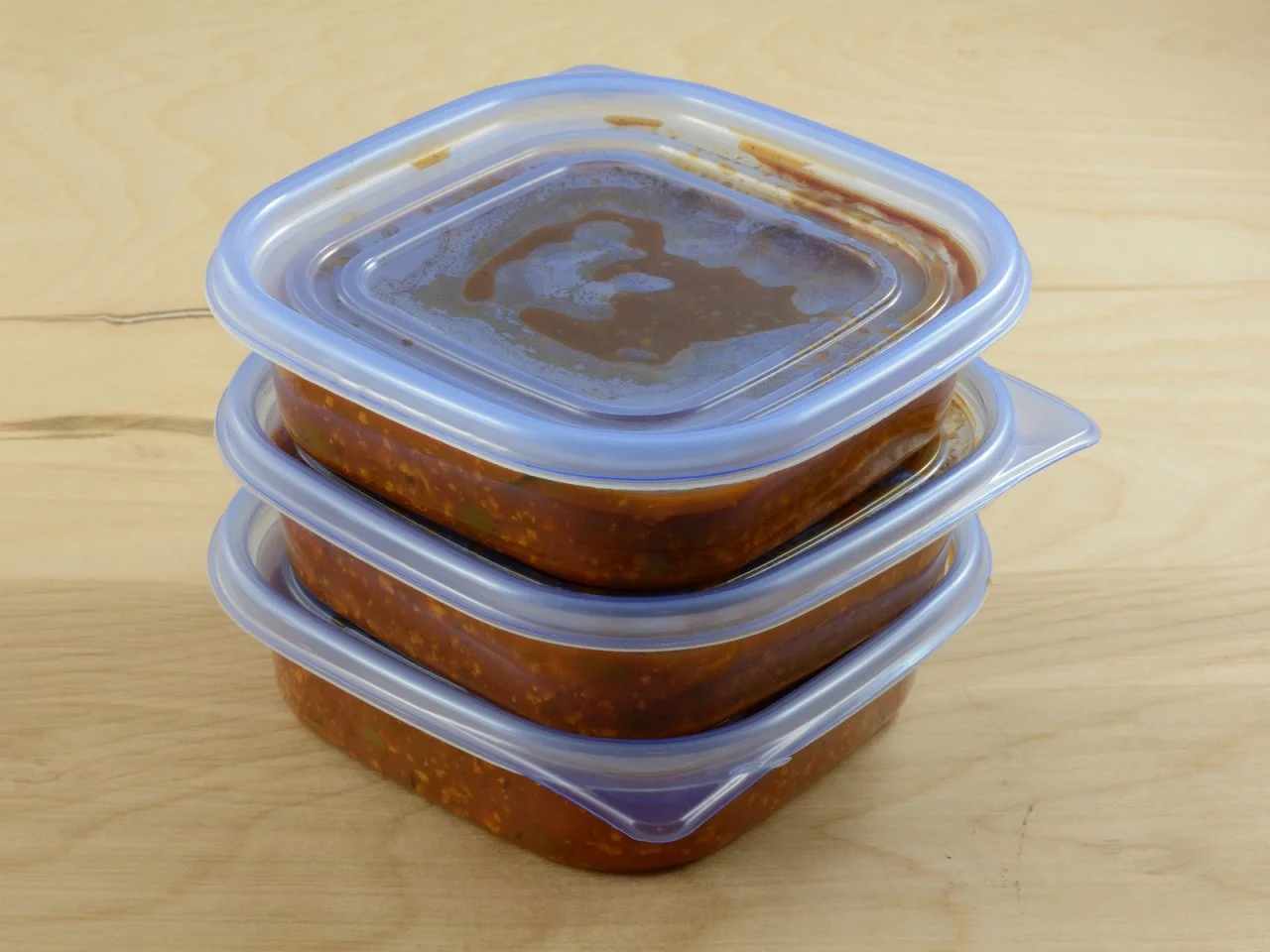
Credit: www.foodnetwork.com
Freezing Sauces Correctly
Freezing sauces is a great way to save leftovers and reduce food waste. It keeps sauces fresh longer and ready for your next meal. Knowing how to freeze sauces correctly helps keep their flavor and texture intact. Proper freezing also prevents freezer burn and spoilage.
Use the right containers and label them with dates. Cool sauces before freezing to avoid ice crystals. Small portions freeze faster and thaw more evenly. Follow these tips for the best results.
Which Sauces Freeze Well
Tomato-based sauces freeze well and keep their flavor. Meat sauces and gravies also freeze nicely. Cream sauces freeze, but texture may change slightly. Avoid freezing sauces with eggs or thick dairy. Pesto and vinaigrettes freeze well in small portions.
Preventing Freezer Burn
Use airtight containers or freezer bags to protect sauces. Remove as much air as possible before sealing. Wrap containers in foil for extra protection. Label sauces with the freezing date. Use frozen sauces within three months for best taste.
Thawing Methods For Best Texture
Thaw sauces in the refrigerator overnight. Stir gently after thawing to restore texture. Warm sauces slowly on the stove or microwave. Avoid refreezing thawed sauces to keep quality. Use sauces soon after thawing for best results.
Reheating Without Losing Flavor
Reheating leftover sauces needs care to keep their original taste. Quick heating can make sauces lose flavor or turn bitter. Proper reheating keeps sauces smooth and tasty, ready to enjoy again.
Slow And Gentle Heating
Heat sauces slowly over low heat. Stir often to stop burning or sticking. Gentle warmth helps flavors stay balanced and fresh. Avoid boiling, which can change texture and taste.
Using Stovetop Vs Microwave
Stovetop heating gives more control over temperature. Use a small pan and low heat. Stir to warm evenly and keep sauce smooth.
Microwave is faster but can heat unevenly. Use short bursts of power. Stop to stir between bursts. This avoids hot spots that spoil flavor.
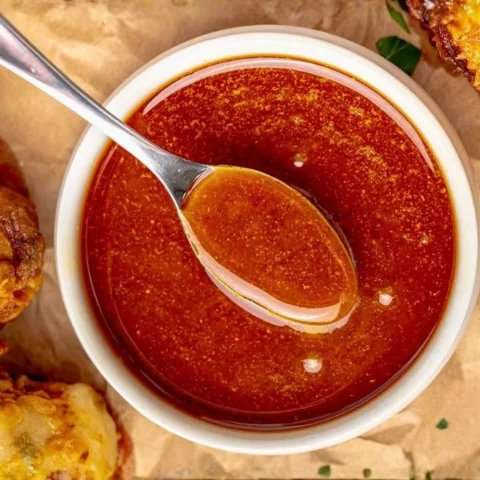
Credit: recipeandcooks.com
Avoiding Common Storage Mistakes
Storing leftover sauces seems simple, but many make common mistakes that spoil the sauce or cause waste. Avoiding these errors keeps sauces fresh and safe to eat longer.
Proper storage also preserves flavor and texture. Small care makes a big difference in your leftovers.
Contamination Risks
Using dirty utensils or containers can introduce bacteria. Always use clean spoons to scoop sauces. Never dip used spoons back into the container.
Seal containers tightly to keep out germs and odors. Store sauces in the fridge or freezer quickly after use.
Overfilling Containers
Filling containers too full leaves no space for expansion. Sauces can bubble or expand when freezing.
Leave some room at the top to avoid spills and container damage. It helps sauces cool evenly and stay fresh longer.
Reusing Old Containers
Old containers may have scratches or residue that affect taste and safety. Use fresh or well-cleaned containers for storage.
Label containers with date and sauce type. This practice prevents confusion and reduces the risk of eating spoiled sauce.
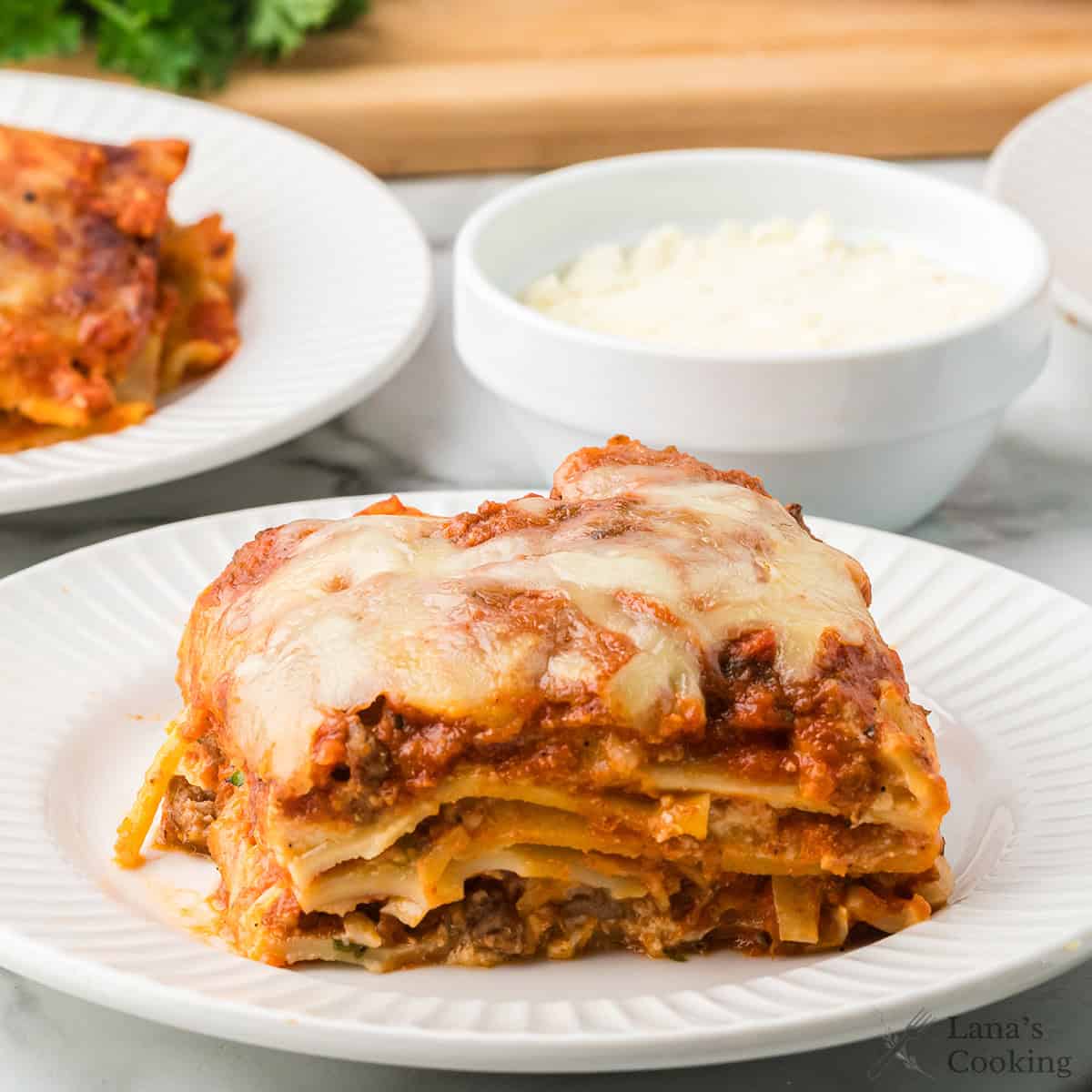
Credit: www.lanascooking.com
Frequently Asked Questions
How Long Can Leftover Sauces Be Stored Safely?
Leftover sauces can typically be stored in the fridge for 3 to 5 days. Use airtight containers to preserve freshness. Freezing sauces extends shelf life up to 3 months. Always check for signs of spoilage before use.
What Is The Best Container For Storing Sauces?
Glass jars or BPA-free plastic containers with airtight lids work best. These containers prevent air exposure, keeping sauces fresh longer. Avoid metal containers to prevent reactions with acidic sauces. Label containers with dates for easy tracking.
Can I Freeze All Types Of Leftover Sauces?
Most sauces freeze well, especially tomato, cream, and pesto sauces. Avoid freezing dairy-heavy sauces as they may separate. Use small portions in freezer-safe containers for easy thawing. Always cool sauces completely before freezing.
How Should I Reheat Leftover Sauces Properly?
Reheat sauces slowly on low heat, stirring often to prevent burning. Use a microwave-safe container if microwaving, covering to avoid splatters. Add a splash of water or broth to restore consistency if needed.
Conclusion
Storing leftover sauces properly keeps them fresh and tasty longer. Use clean containers and cool sauces before sealing. Label jars with dates to track freshness easily. Keep sauces in the fridge or freezer depending on type. Avoid leaving sauces out too long to prevent spoilage.
These small steps save food and reduce waste in your kitchen. Enjoy your meals without worrying about sauce quality. Simple habits make a big difference in food safety. Try these tips today and keep your sauces delicious!