
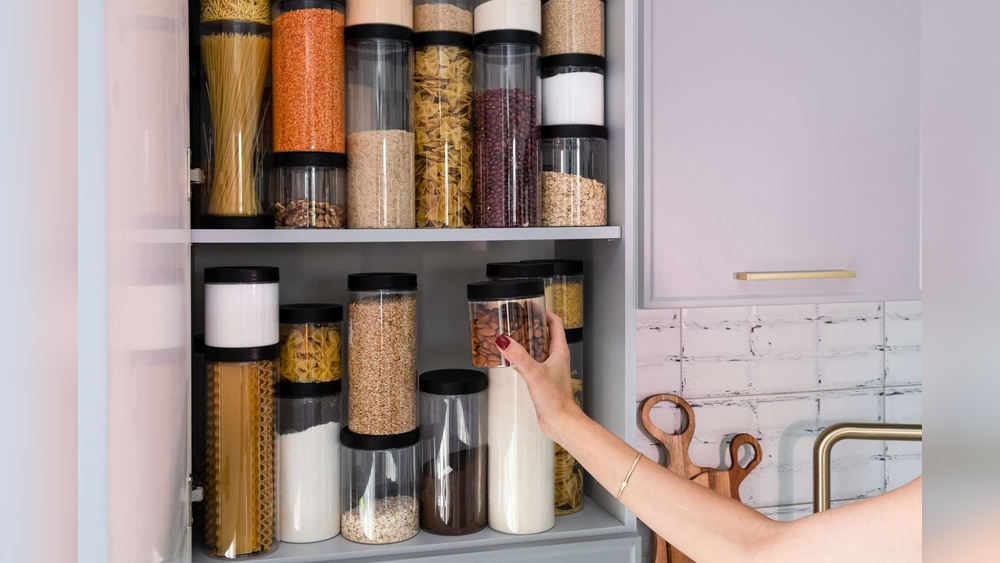
Are you tired of finding your pasta and grains stale or spoiled before you get a chance to use them? Proper storage can make all the difference in keeping your food fresh, tasty, and ready to cook whenever you need it.
You’ll discover simple, effective ways to store pasta and grains so they stay at their best for longer. Whether you buy in bulk or just want to avoid waste, these tips will save you money and frustration. Keep reading to learn how to protect your pantry staples and enjoy every meal with perfectly preserved ingredients.
Credit: ratinkhosh.com
Choosing The Right Containers
Choosing the right containers is key to keeping pasta and grains fresh. Proper storage stops moisture and pests from spoiling your food. It also helps keep your pantry neat and easy to use. Picking containers that fit your needs saves money and reduces waste.
Airtight Containers Benefits
Airtight containers block air and moisture. This stops pasta and grains from going stale fast. They keep bugs and dust out, protecting your food. These containers keep flavors fresh longer. Using airtight containers reduces the chance of spoilage.
Material Options: Glass, Plastic, And Metal
Glass containers are strong and do not hold smells. They are easy to clean and see through. Plastic containers are lightweight and less likely to break. Choose BPA-free plastics for safety. Metal containers are durable and block light well. Pick materials that fit your kitchen style and needs.
Size Matters For Portion Control
Choose container sizes based on how much you use. Small containers help keep pasta and grains fresh by limiting air exposure. Large containers suit bulk storage but may let food go stale. Use multiple small containers for better portion control and freshness. This approach saves food and money.
Optimal Storage Conditions
Proper storage of pasta and grains keeps them fresh longer. Optimal storage conditions protect these foods from moisture, pests, and spoilage. Small changes in storage can make a big difference in quality and taste.
Ideal Temperature And Humidity
Store pasta and grains in a cool, dry place. The best temperature is between 50°F and 70°F. High heat speeds up spoilage. Low humidity prevents mold and clumping. Aim for humidity below 60% to keep grains dry and fresh.
Avoiding Light Exposure
Light can degrade pasta and grains over time. Store them in opaque containers or dark cupboards. Light breaks down nutrients and affects flavor. Keeping them away from light helps maintain quality longer.
Keeping Away From Heat Sources
Heat sources like ovens and stoves cause food to spoil faster. Keep pasta and grains away from these areas. Heat can cause oils in grains to go rancid. Store them in a cool, stable environment for best results.
Storing Different Types Of Pasta
Pasta comes in many forms. Each type needs different care for storage. Proper storage keeps pasta fresh and tasty longer. Avoid spoilage and waste by storing pasta right.
Dry, fresh, and cooked pasta all need special handling. Learn how to keep each type safe and ready to use.
Dry Pasta Storage Tips
Store dry pasta in an airtight container. Keep it in a cool, dry place away from sunlight. Avoid moisture to prevent mold and clumping. Use glass or plastic containers with tight lids. Original packaging works if sealed well. Dry pasta can last for months if stored properly.
Fresh Pasta Preservation
Fresh pasta spoils faster than dry pasta. Store fresh pasta in the refrigerator. Keep it in an airtight container or wrapped in plastic wrap. Use fresh pasta within 2 days for best taste. Freeze fresh pasta if you want to store it longer. Place it in a freezer bag and remove air before sealing.
Handling Cooked Pasta
Cooked pasta should cool before storing. Place it in a container with a lid. Add a little oil to prevent sticking. Store cooked pasta in the refrigerator. Use it within 3 to 5 days for safety. Reheat pasta gently to keep its texture.

Credit: www.kraftheinz.com
Grain Storage Essentials
Proper storage of grains keeps them fresh and safe to eat. Grains can lose quality if not stored well. Moisture, pests, and air cause grains to spoil faster.
Good storage methods extend shelf life and keep grains tasty. Small steps make a big difference in grain storage.
Whole Grains Vs. Refined Grains
Whole grains contain the bran, germ, and endosperm. This makes them rich in nutrients but also more perishable. Refined grains have the bran and germ removed. They last longer but have fewer nutrients.
Store whole grains in cool, dry places. Refined grains can handle a bit more warmth. Always check for freshness before use.
Preventing Moisture And Pests
Moisture causes mold and spoilage in grains. Use airtight containers to keep out moisture and air. Avoid storing grains near heat or sunlight.
Pests like bugs and rodents can ruin grains. Use sealed containers made of glass or heavy plastic. Keep storage areas clean and dry to stop pests.
Freezing Grains For Longevity
Freezing grains slows down spoilage and pest growth. Place grains in airtight bags or containers before freezing. Let grains reach room temperature before opening to avoid moisture.
Freezing works well for whole grains and flour. It helps keep grains fresh for months or even years.
Labeling And Rotation Strategies
Labeling and rotation strategies help keep pasta and grains fresh longer. Proper labeling prevents confusion about expiration dates. Rotating stock ensures older items get used first. These steps reduce waste and save money.
Date Labeling Techniques
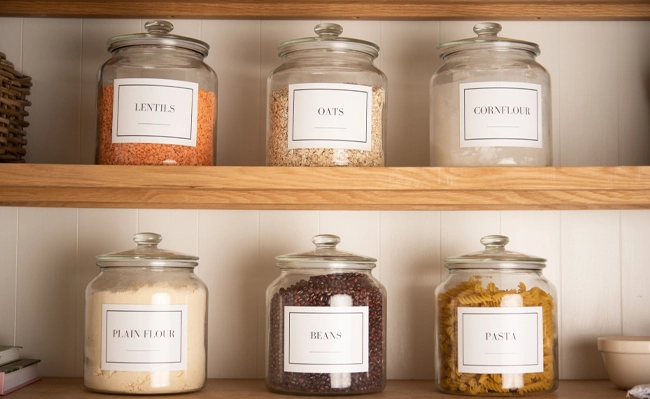
Write the purchase or expiration date on each container. Use a permanent marker or a label sticker. Place the label where it is easy to see. This helps track freshness at a glance. Avoid writing directly on the packaging if it can smudge.
First In, First Out Method
Use the oldest pasta or grains before newer ones. Arrange containers so older items are in front. This method lowers the chance of food spoiling. Always add new purchases behind the existing stock. It keeps your pantry organized and food fresh.
Tracking Bulk Purchases
Divide bulk grains into smaller containers. Label each with the date of transfer. This makes it easier to use them in order. Keep a simple list of bulk items and dates. This tracking prevents forgetting about older stock. It also helps plan your meals better.

Credit: giraffyco.com
Common Mistakes To Avoid
Storing pasta and grains properly keeps them fresh and tasty. Many people make simple mistakes that spoil these foods faster. Avoiding these errors can save money and reduce waste. Here are common storage mistakes to watch out for.
Using Non-airtight Containers
Leaving pasta or grains in bags or loose containers lets air in. Air causes moisture and pests to enter. This can make your food stale or moldy quickly. Use airtight containers to keep food dry and fresh. Clear containers also help see how much you have left.
Storing Near Strong Odors
Pasta and grains absorb smells from nearby foods easily. Storing them near onions, garlic, or spices changes their flavor. This makes your meals taste strange. Keep pasta and grains away from strong-smelling items. Store them in a cool, neutral-smelling place instead.
Ignoring Expiration Dates
Grains and pasta can last a long time, but not forever. Using expired food risks bad taste and health issues. Check expiration dates before buying or using. Rotate your stock by placing older items in front. Eat those first to avoid waste and keep meals safe.
Additional Tips For Freshness
Keeping pasta and grains fresh takes more than just a good container. Small steps help keep your food safe and tasty for longer. These extra tips protect your pantry from moisture and pests. They also keep flavors strong and textures perfect.
Using Desiccants And Oxygen Absorbers
Desiccants absorb moisture inside storage containers. This stops mold and bacteria growth. Oxygen absorbers remove air, which slows down spoilage. Both help keep pasta and grains dry and fresh. Use them in sealed jars or bags for best results.
Regularly Checking For Spoilage
Look at your pasta and grains often. Check for strange smells or colors. If you see bugs or clumps, throw the food away. Early detection saves you from eating spoiled food. Make checking a habit every few weeks.
Proper Cleaning Of Storage Containers
Clean containers before adding new pasta or grains. Use warm water and soap to remove old food and dust. Dry containers completely to avoid moisture buildup. Clean containers help prevent contamination and extend shelf life.
Frequently Asked Questions
How Do You Store Pasta To Keep It Fresh?
Store pasta in an airtight container in a cool, dry place. Avoid moisture and heat to prevent spoilage and pests. For cooked pasta, refrigerate in a sealed container and consume within 3-5 days to maintain freshness and safety.
What Is The Best Way To Store Grains Long-term?
Use airtight containers stored in a cool, dark, and dry area. This prevents moisture and insect contamination. Vacuum sealing or using oxygen absorbers can extend shelf life, keeping grains fresh for months or even years.
Can Pasta And Grains Be Stored Together Safely?
It’s best to store pasta and grains separately. Different cooking times and moisture levels can cause cross-contamination. Separate storage helps maintain the quality and prevents flavor transfer between the products.
How Do You Prevent Pests In Stored Grains And Pasta?
Keep containers sealed tightly and store them in a cool, dry place. Regularly check for signs of pests. Using airtight glass or plastic containers and adding bay leaves inside can naturally repel insects.
Conclusion
Proper storage keeps pasta and grains fresh and tasty longer. Use airtight containers to block moisture and bugs. Store them in a cool, dry place away from sunlight. Label containers with dates to track freshness. Regularly check for signs of spoilage or pests.
These simple steps save money and reduce waste. Enjoy your meals knowing your ingredients stay safe and ready. Good storage habits make cooking easier and more enjoyable. Keep your pantry organized and your food fresh every day.