
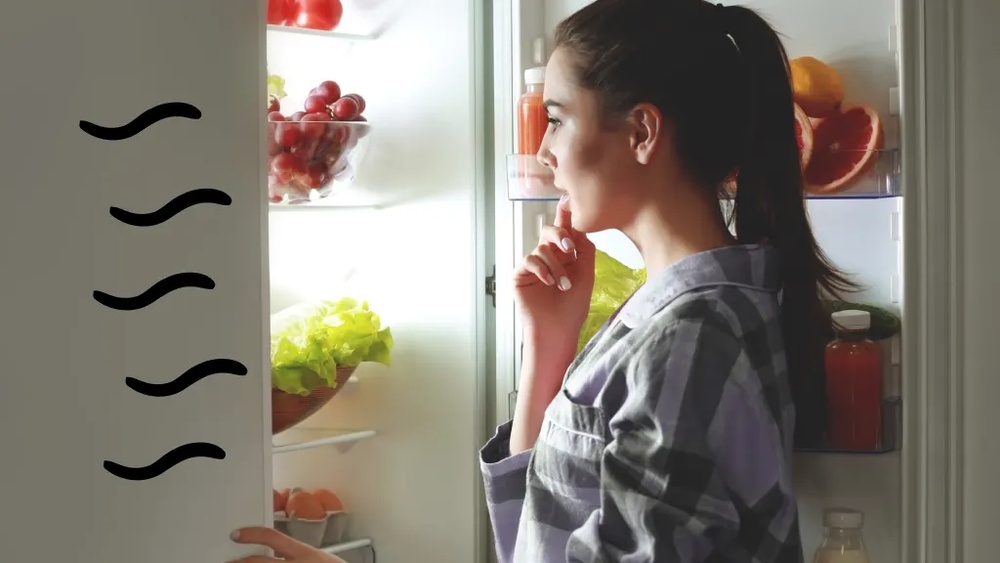
Is your refrigerator giving off an unpleasant odor that just won’t go away? You’re not alone, and the good news is, you don’t have to put up with it.
Keeping your fridge smelling fresh isn’t as hard as it seems. With a few simple tricks, you can say goodbye to bad smells and enjoy a clean, fresh-smelling fridge every time you open the door. Ready to discover how? Keep reading, and you’ll learn easy, effective ways to keep your refrigerator smelling fresh and inviting.
Common Causes Of Refrigerator Odors
Refrigerator odors can be unpleasant and hard to ignore. They often come from common, easy-to-fix sources. Understanding these causes helps keep your fridge fresh and clean. Here are the main reasons your refrigerator might smell bad.
Spoiled Food And Residue
Leftover food can spoil quickly inside the fridge. Spoiled food releases bad smells that spread fast. Sometimes, spills or crumbs get stuck in corners. These residues start to rot and cause odors. Regularly check and clean old food and spills.
Moisture And Mold Growth
Moisture inside the fridge creates a damp environment. This dampness encourages mold and mildew to grow. Mold produces a strong, musty smell. Check for water leaks or spills that are not wiped. Keep the fridge dry to stop mold from spreading.
Poor Air Circulation
Air needs to move freely inside the fridge. Poor circulation traps odors and moisture in one spot. Blocked vents or overcrowded shelves reduce airflow. This makes smells stronger and helps bacteria grow. Keep vents clear and avoid overfilling your fridge.
Credit: mycareplusprotect.co.uk
Regular Cleaning Routine
Keeping your refrigerator smelling fresh starts with a regular cleaning routine. Dirt, spills, and old food can cause bad odors. Cleaning often helps stop smells before they start. It also keeps your fridge healthy and safe for food storage.
Empty And Inspect Contents
Begin by taking everything out of the fridge. Check each item for expiration dates and freshness. Throw away any spoiled or old food. This step helps remove the source of bad smells. Wipe containers that may have spills or stains before placing them back.
Use Mild Cleaning Solutions
Choose gentle cleaners like a mix of water and baking soda. Avoid harsh chemicals that can leave strong odors. Mild solutions clean without damaging fridge surfaces. Use a soft cloth or sponge to apply the cleaner. Rinse with clean water to remove any residue.
Clean Shelves And Drawers
Remove shelves and drawers carefully from the fridge. Wash them separately with warm, soapy water. Dry completely before putting them back inside. Clean the fridge walls and door seals too. Keeping these parts clean prevents odor buildup and keeps your fridge fresh.
Effective Odor Absorbers
Keeping your refrigerator smelling fresh is easier with the right odor absorbers. These simple items soak up bad smells and stop them from spreading. Place them inside your fridge to keep the air clean and fresh. Here are some effective options that work well.
Baking Soda
Baking soda is a classic odor absorber. It traps odors and neutralizes them quickly. Open a box and place it on a shelf inside the fridge. Replace it every three months for the best results. It is cheap and safe to use around food.
Activated Charcoal
Activated charcoal has tiny pores that catch bad smells. It works better than many other absorbers. Use a small bag or container of charcoal in the fridge. Change it every month to keep the fridge fresh. It is natural and non-toxic.
Coffee Grounds
Dry coffee grounds absorb odors and add a mild, pleasant scent. Place a bowl of used coffee grounds in your fridge. Replace the grounds every few weeks to maintain freshness. Coffee grounds are an eco-friendly and easy option.
Credit: www.aphw.com
Natural Fresheners For Refrigerators
Natural fresheners offer a simple way to keep your refrigerator smelling clean. They use common kitchen ingredients that absorb odors and add a fresh scent. These options are safe, easy, and cost-effective.
Natural fresheners also avoid harsh chemicals. They help create a pleasant fridge environment without strong artificial smells. Try these natural ideas to refresh your refrigerator daily.
Lemon And Citrus Peels
Lemon and citrus peels work great for neutralizing fridge odors. Their bright scent masks bad smells quickly. Place fresh peels in a small bowl or on a paper towel inside your fridge.
Replace the peels every few days to keep the scent fresh. Citrus oils also have natural antibacterial properties. This helps reduce odor-causing bacteria in the fridge.
Vanilla Extract
Vanilla extract adds a warm, pleasant aroma to the refrigerator. Soak a cotton ball with vanilla extract and place it on a plate. Put the plate on a fridge shelf away from food items.
Check the cotton ball every week and refresh it as needed. Vanilla’s mild scent blends well with other fresheners. It keeps the fridge smelling sweet without overpowering.
Fresh Herbs
Fresh herbs like mint, rosemary, or basil work well to freshen the fridge naturally. Wrap a few sprigs in a damp paper towel. Store the bundle in an open container or bowl inside the fridge.
Herbs release a clean, herbal scent that replaces unpleasant odors. Change the herbs every few days to maintain freshness. They also add a touch of natural beauty to your fridge.
Preventive Storage Tips
Keeping your refrigerator fresh starts with smart storage habits. Taking simple steps can stop bad smells before they begin. Proper storage helps food stay fresh longer. It also keeps your fridge clean and odor-free.
Seal Food Properly
Always cover food tightly. Use plastic wrap or foil to seal leftovers. This stops smells from escaping. It also keeps food from drying out. Make sure bags and packages are closed well. This prevents spills and leaks inside the fridge.
Use Airtight Containers
Store food in airtight containers. These containers block air and moisture. They keep strong odors contained. Use clear containers to see food easily. This reduces waste and forgotten items. Glass or plastic containers with lids work best.
Organize Items For Airflow
Arrange items to allow air to flow. Avoid overcrowding shelves. Leave space between items for better cooling. Good airflow helps keep the fridge fresh. It reduces moisture buildup and mold growth. Organize by food type for easy access.
Credit: cosmoappliances.com
Temperature And Humidity Control
Controlling temperature and humidity inside the refrigerator helps keep it fresh. Proper settings stop bacteria and mold growth. They also prevent bad smells from developing. Maintaining the right environment inside your fridge keeps food fresh longer. It also reduces the chance of odors spreading.
Ideal Temperature Settings
Set the fridge temperature between 35°F and 38°F. This range slows bacterial growth without freezing food. The freezer should be at 0°F to keep items frozen solid. Use a refrigerator thermometer to check the temperature. Adjust the thermostat as needed to stay within these limits. Avoid setting the fridge too cold or too warm. Both extremes can cause food spoilage and odors.
Manage Humidity Levels
Humidity control is key to preventing smells and mold. Most fridges have drawers with humidity settings. Use high humidity settings for vegetables to keep them fresh. Set low humidity for fruits that rot easily. Wipe any moisture buildup inside the fridge regularly. Moist areas help mold and bacteria grow faster. Good airflow inside the fridge also reduces humidity problems. Keep the fridge door closed as much as possible.
When To Call A Professional
Knowing when to call a professional helps keep your refrigerator fresh and working well. Some problems need expert care to avoid bigger issues. This section explains signs to watch for and when to get help.
Persistent Odors
Strong smells may not go away with cleaning. Sometimes, odors come from hidden spills or mold inside the fridge walls. If the smell stays after thorough cleaning, a professional can inspect and fix the cause. They can find hard-to-see spots causing the odor.
Mechanical Issues
Strange noises or poor cooling are signs of mechanical problems. A broken seal or faulty fan can cause bad smells and spoil food. Professionals can check parts and repair or replace them. Fixing these issues early saves energy and keeps your fridge fresh longer.
Frequently Asked Questions
How Often Should I Clean My Refrigerator To Prevent Odors?
Clean your refrigerator every 3 to 4 months to prevent bad smells. Remove expired food and wipe shelves with mild soap. Regular cleaning stops bacteria buildup that causes odors and keeps your fridge fresh and hygienic.
What Natural Products Remove Refrigerator Odors Effectively?
Baking soda and activated charcoal are top natural deodorizer options. Place an open box of baking soda inside your fridge. Activated charcoal absorbs odors without chemicals. Both methods are safe, cheap, and highly effective for fresh-smelling refrigerators.
Can Fridge Organization Help Reduce Bad Smells?
Yes, organizing your fridge improves air circulation and reduces spoilage. Use sealed containers for leftovers and separate raw foods. Proper arrangement prevents odor mixing and keeps your refrigerator smelling fresh longer.
Does Temperature Affect Refrigerator Odor Control?
Yes, setting the fridge temperature between 37°F and 40°F slows bacterial growth. Proper cooling preserves food quality and reduces odor-causing spoilage. Avoid frequent door openings to maintain stable temperature and freshness.
Conclusion
Keeping your refrigerator smelling fresh takes small, regular steps. Clean spills right away to avoid bad odors. Store food in sealed containers to keep smells contained. Use natural odor absorbers like baking soda or coffee grounds. Open the fridge often to let fresh air in.
These habits help your fridge stay clean and fresh daily. A fresh-smelling fridge makes your kitchen more pleasant. Simple care keeps your food safe and tasty too. Start these easy tips today and enjoy a fresher fridge tomorrow.