
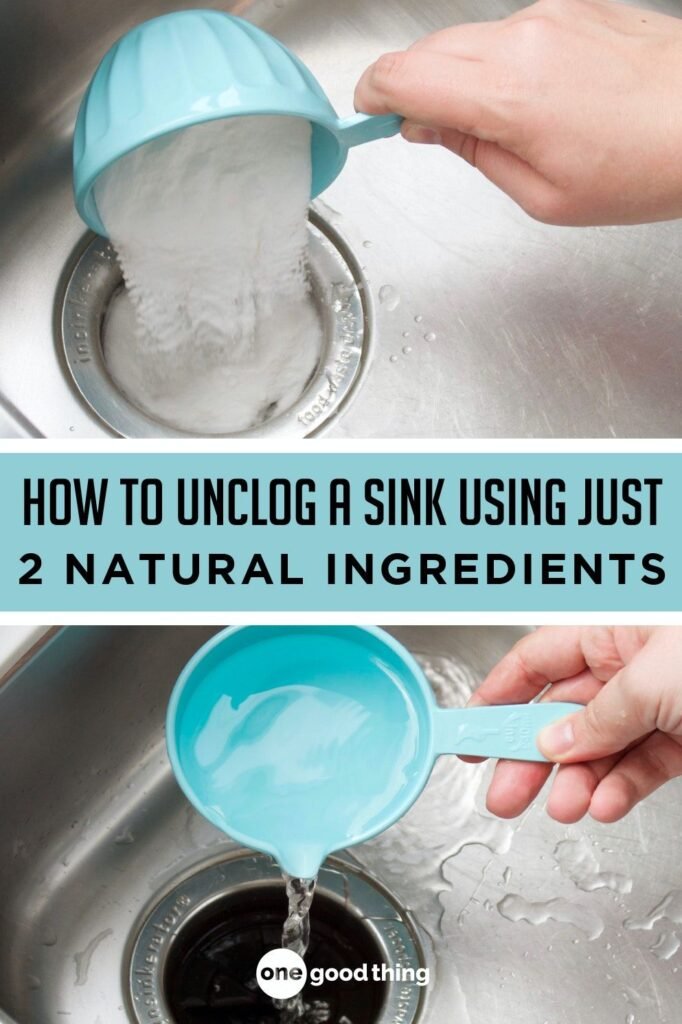
A slow sink is often caused by food bits, grease, soap, hair, or other buildup inside the drain. The good news is that many light clogs do not need a harsh chemical cleaner. A few simple steps can often restore normal flow.
If you are learning how to unclog sink naturally, start with the least forceful method that fits the clog. This helps protect the drain and gives you a better chance of finding the real cause. In U.S. homes, kitchen and bathroom sinks often need different approaches because grease and food behave differently from hair and soap scum.

Why Your Sink Gets Clogged
Before you learn how to unclog sink naturally, it helps to know what is blocking the pipe. A kitchen sink often collects grease, food scraps, coffee grounds, and soap. A bathroom sink is more likely to collect hair, toothpaste, soap, and skin oils.
A slow drain usually means the pipe is only partly blocked. A sink that holds water and will not drain may have a larger blockage. If several drains in your home are slow at the same time, the problem may be farther down the plumbing system.

- ✦ Grease and cooking fat
Grease can stick to pipe walls and catch other debris. Over time, this can make the drain narrower.
- ✦ Hair and soap
Bathroom sinks can collect hair and soap residue near the stopper or in the trap.
- ✦ Food scraps
Small food pieces can collect in a kitchen drain, especially when the sink strainer is missing or damaged.
- ✦ Mineral buildup
Hard water can leave mineral deposits that reduce the space inside a drain and make other debris stick.
How to Tell How Serious the Clog Is
A sink that drains slowly is often easier to clear than one that is completely blocked. If water backs up quickly, start with a plunger or remove visible debris instead of adding more liquid. If the clog keeps returning, the blockage may sit deeper in the pipe.
- ✦ Light clog
Water drains, but it moves slowly or leaves a small pool in the basin.
- ✦ Heavy clog
Water barely moves or stays in the sink for a long time.
- ✦ Possible deeper problem
More than one drain backs up, or the sink makes repeated gurgling sounds after cleaning.
How to Unclog Sink Naturally With Hot Water
Hot water is one of the simplest ways to start when you want to know how to unclog sink naturally. It can loosen soap, light grease, and other soft buildup. This method works best when the drain is slow rather than fully blocked.
For a safe approach, remove standing water first if you can. Then pour hot water into the drain in small amounts. Let it work for a few minutes and check the flow before repeating the process.

- ✦ Step 1
Remove the sink stopper or strainer and clear away any visible debris.
- ✦ Step 2
Heat water until it is very hot. Avoid using extremely hot water if your sink or plumbing maker warns against it.
- ✦ Step 3
Pour the water slowly into the drain. Use several smaller pours instead of dumping a large amount at once.
- ✦ Step 4
Wait a few minutes, then run warm tap water to see if the drain has improved.
When Hot Water May Not Work
Hot water cannot dissolve every type of clog. A tight ball of hair, a solid object, or a deep food blockage may need physical removal. If the water level does not change, move to a plunger or drain snake instead of repeating the same treatment many times.
- ✦ Best for
Light grease, soap residue, and small amounts of soft buildup.
- ✦ Less useful for
Hair clumps, solid objects, and deep or compact clogs.
How to Unclog Sink Naturally With Baking Soda and Vinegar
Baking soda and vinegar are popular when people search for how to unclog sink naturally. The two ingredients react and create fizz, which can help loosen some surface buildup. However, the reaction is not a magic way to dissolve every clog.
For a basic treatment, put about one-half cup of baking soda into the drain. Follow it with about one-half cup of white vinegar, then cover the drain. Let the mixture sit for about 10 to 15 minutes before flushing the drain with hot water.

- ✦ Use fresh baking soda
Fresh baking soda gives you a simple starting point for this home cleaning method.
- ✦ Cover the drain
Covering the opening keeps more of the bubbling action inside the drain.
- ✦ Give it time
Let the mixture sit before flushing with hot water so it has time to loosen surface residue.
- ✦ Repeat only if needed
If the first treatment does not improve the flow, use a plunger or another physical method rather than adding many more ingredients.
Does Baking Soda and Vinegar Really Unclog a Drain?
It can help with light buildup, but its effect has limits. The fizzing action can loosen residue, yet a solid hair plug or dense food clog may stay in place. Think of this method as a gentle cleaning step, not a guaranteed replacement for mechanical clearing.
- ✦ Good use
Light residue and minor buildup in a drain that still has some flow.
- ✦ Poor use
A fully blocked drain with a deep or solid obstruction.
Try Salt and Baking Soda for Mild Buildup
Salt and baking soda offer another simple option when you want to unclog a sink naturally. The dry mixture can help loosen light residue before you flush the drain with hot water. It is most useful as a mild cleaning step rather than a solution for a hard blockage.
Mix equal parts salt and baking soda, using about one-half cup of each for a typical sink drain. Pour the mixture into the opening, let it sit for several hours or overnight, and then flush with hot water. Keep the amounts modest so you do not pack dry material into a drain that is already fully blocked.

- ✦ Measure the mixture
Use about one-half cup of salt and one-half cup of baking soda for a typical household drain.
- ✦ Let it sit
A longer contact time may help loosen soft residue before the final flush.
- ✦ Flush with hot water
Use hot water after the treatment to carry loosened residue farther down the pipe.
Know the Limits of Dry Ingredients
Dry ingredients cannot pull out a solid object or remove a dense hair plug by themselves. If the sink remains full, do not keep adding powder. Remove the blockage with a plunger, drain snake, or by cleaning the trap when it is safe to do so.
- ✦ Stop if water is fully backed up
A fully blocked drain may need a physical method instead of more dry ingredients.
Use a Plunger or Drain Snake Without Chemicals
When natural liquids do not solve the problem, physical tools are often the next smart step. A sink plunger can move a clog by changing water pressure inside the pipe. A small drain snake can reach farther and pull out hair or other material.
To plunge a sink, add enough water to cover the rubber cup. Seal the cup over the drain and make firm, steady pushes and pulls. If the sink has an overflow opening, cover it with a damp cloth so more pressure stays in the drain.

- ✦ Use the right plunger
A flat-bottom sink plunger can create a good seal over many sink drains.
- ✦ Build a seal
A tight seal helps pressure move through the water and toward the blockage.
- ✦ Use steady strokes
Several controlled plunges are usually more useful than one very hard push.
- ✦ Try a drain snake
A hand-operated drain snake can reach hair and other clogs that sit beyond the sink opening.
Clean the Sink Trap When Needed
The curved pipe below many sinks is called the trap. It can collect food, hair, and other debris. Place a bucket below it before opening the fittings, and wear gloves because trapped water and sludge can be dirty.
If you are not comfortable taking the trap apart, stop there and call a plumber. A damaged fitting or poor seal can cause a leak that is harder to fix than the original clog.
- ✦ Protect the cabinet
Put a bucket and towels below the trap before loosening any connection.
- ✦ Check for debris
Remove visible buildup and rinse the trap before putting it back.
- ✦ Check for leaks
Run water slowly after reassembly and inspect every joint.
Natural Methods That You Should Avoid or Use With Care
Natural does not always mean safe or effective. Some popular home remedies can damage plumbing, waste time, or create a dangerous reaction when mixed with other products. The safest approach is to use one method at a time and never mix unknown cleaners.
If you have already poured a commercial drain cleaner into the sink, do not add vinegar, baking soda, bleach, or another cleaner. Follow the product label and avoid putting your hands or tools into a drain that may contain chemical residue.

- ✦ Do not mix cleaning chemicals
Mixing drain products, bleach, acids, or other cleaners can create dangerous fumes or reactions.
- ✦ Do not force objects down the drain
Pushing a clog deeper can make the blockage harder to reach.
- ✦ Do not rely on repeated treatments
If a natural method fails after a reasonable attempt, switch to a physical clearing method.
- ✦ Use care with very hot water
Some plumbing systems and sink materials may not tolerate repeated exposure to very high temperatures.
When to Stop the DIY Approach
Call a licensed plumber if the clog keeps returning, several drains back up, sewage-like water appears, or you suspect a broken pipe. A persistent blockage can point to a deeper issue that household methods cannot fix.
You should also stop if water leaks from a pipe connection or if you cannot safely access the trap. Fixing a leak or deeper drain problem often requires tools and experience that go beyond a simple sink clog.
- ✦ Multiple drains back up
This can suggest a blockage farther down the drain system rather than only at the sink.
- ✦ The clog returns quickly
A repeated clog may mean that buildup remains deeper in the pipe.
- ✦ You see a leak
A leaking trap or drain fitting needs attention before more water is added.
- ✦ There is sewage or foul backup
Stop using the affected drain and seek professional plumbing help.
How to Prevent Future Sink Clogs Naturally
Once you know how to unclog sink naturally, prevention is the next step. A few small habits can keep food, grease, hair, and soap from building up. Prevention also reduces the need for harsh cleaners and emergency repairs.
In the kitchen, use a sink strainer and scrape food into the trash or compost before washing dishes. Do not pour cooking grease or oil down the drain. In the bathroom, clean the stopper often and remove visible hair before it travels into the pipe.

- ✦ Use a drain strainer
A simple strainer catches food scraps, hair, and other debris before they enter the pipe.
- ✦ Keep grease out
Let cooking grease cool and dispose of it in the proper household waste container instead of pouring it into the sink.
- ✦ Clean the stopper
Remove hair and soap buildup from the bathroom sink stopper on a regular basis.
- ✦ Rinse with warm water
A regular warm-water rinse can help carry away small amounts of loose residue.
- ✦ Do not use the sink as a trash can
Coffee grounds, fibrous food, eggshell pieces, and other debris can collect in plumbing.
A Simple Monthly Drain Routine
A short monthly check can help catch buildup before it becomes a clog. Remove the strainer or stopper, clear visible debris, rinse the opening, and check for slow drainage. If the sink is already draining well, there is usually no need to use strong treatments just for routine maintenance.
- ✦ Inspect
Look for hair, food, grease, soap, or other visible debris.
- ✦ Clean
Remove what you can reach safely and wash the stopper or strainer.
- ✦ Test
Run water and check that it drains at a normal speed without gurgling or backing up.