
Your pantry should be a safe place for your food, but pests can turn it into a nightmare. Imagine opening your favorite snack only to find tiny bugs or webs inside.
It’s frustrating, unhygienic, and can waste your hard-earned money. But don’t worry—you have the power to keep your pantry pest-free. You’ll discover simple, effective steps to protect your food and keep unwanted guests out. By the end, you’ll feel confident and ready to take control of your pantry once and for all.
Keep reading to learn how to make your pantry a clean, safe space you can trust.
Common Pantry Pests
Pests in the pantry can cause frustration and food waste. These tiny invaders hide in grains, cereals, and other dry foods. They multiply fast and contaminate your food. Knowing the common pantry pests helps stop them early. Spotting signs of their presence can save your pantry.
Types Of Pantry Invaders
Flour beetles are small reddish bugs that live in flour and cereal. Indian meal moths have a distinctive wing pattern and fly around lights. They lay eggs inside food packages. Weevils are tiny beetles with long snouts. They infest rice, beans, and pasta. Grain mites are microscopic and cause food clumps. They thrive in humid pantries. Each pest targets specific dry foods. Understanding their habits helps keep them away.
Signs Of Infestation
Look for webbing or silk threads inside packages. Small holes or powdery residue in food are clear warnings. Live bugs crawling in your pantry or on food surfaces indicate infestation. Unusual smells or musty odors also suggest pests. Clumped or sticky grains mean mites might be present. Finding eggs or larvae inside food shows active breeding. Early detection stops pests from spreading.

Credit: www.lifecreativelyorganized.com
Preventing Pest Entry
Preventing pests from entering your pantry is the first step to keep it clean and safe. Pests like bugs and rodents find their way through tiny cracks and open containers. Blocking these entry points stops them before they become a problem. Simple changes in your pantry setup can make a big difference in pest control.
Sealing Cracks And Gaps
Check your pantry walls, doors, and windows for any cracks or gaps. Even small openings allow pests to sneak inside. Use caulk or weather stripping to close these spaces tightly. Pay close attention to areas around pipes and vents. Seal all openings to create a strong barrier against pests.
Choosing Pest-resistant Containers
Store food in containers that pests cannot chew through or open. Hard plastic, glass, or metal containers work best. Avoid bags or cardboard boxes that pests easily invade. Use containers with tight-fitting lids to keep food fresh and safe. Clear containers help you see the contents and spot pests early.
Organizing Your Pantry
Organizing your pantry is key to keeping pests away. A neat pantry makes it easier to spot problems early. It also helps food stay fresh longer. Proper organization reduces clutter and hides fewer places for pests to live.
Decluttering And Cleaning
Start by removing everything from shelves. Check all items for signs of pests or damage. Throw away expired or opened packages. Clean shelves with soap and water. Dry them completely before putting food back. Clean corners and cracks well. Pests love dirty, hidden spots.
Proper Food Storage Techniques
Store food in airtight containers. Use glass, plastic, or metal with tight lids. Avoid keeping food in original packaging only. Keep dry goods like flour and cereal sealed. Place containers off the floor and away from walls. Use clear containers to see food inside. Rotate older items to the front. This prevents food from staying too long.

Credit: thrasherpestcontrol.com
Natural Pest Deterrents
Natural pest deterrents offer a safe way to keep your pantry free of bugs. These methods avoid harsh chemicals and keep food fresh. They use simple ingredients that pests dislike. You can place these items in your pantry to stop pests from coming in.
Herbs And Spices That Repel Pests
Many herbs and spices have strong smells that pests avoid. Bay leaves are great to scatter inside containers. They help keep weevils and beetles away. Cloves and cinnamon sticks also work well. Their scent confuses pests and keeps them out. Dried mint leaves repel ants and flies. You can place small bundles or sachets in corners. These natural items add a fresh smell to your pantry.
Essential Oils For Pantry Protection
Essential oils are powerful and easy to use against pantry pests. Peppermint oil is one of the best options. It repels ants, spiders, and moths. Use a cotton ball soaked with a few drops. Place it on pantry shelves or inside jars. Eucalyptus and lavender oils also work well. They have a strong scent that pests dislike. Replace the cotton balls every few weeks to keep the smell strong.
Regular Maintenance Tips
Keeping your pantry free of pests requires regular care and attention. Regular maintenance stops pests before they start. It keeps your food safe and fresh. Follow simple steps to maintain a clean pantry. Small habits make a big difference.
Routine Inspection Schedules
Check your pantry every week for signs of pests. Look for holes, droppings, or webbing in food packages. Inspect corners and shelves carefully. Open containers and scan for bugs or larvae. Dispose of any contaminated food immediately. Regular checks catch problems early and prevent infestations.
Deep Cleaning Practices
Clean your pantry thoroughly at least once a month. Remove all items from shelves before cleaning. Wipe shelves with warm soapy water and dry completely. Vacuum cracks, corners, and edges to remove crumbs. Use natural cleaners to avoid harmful chemicals near food. Deep cleaning removes eggs and larvae hiding in small spots. It keeps pests away and your pantry fresh.
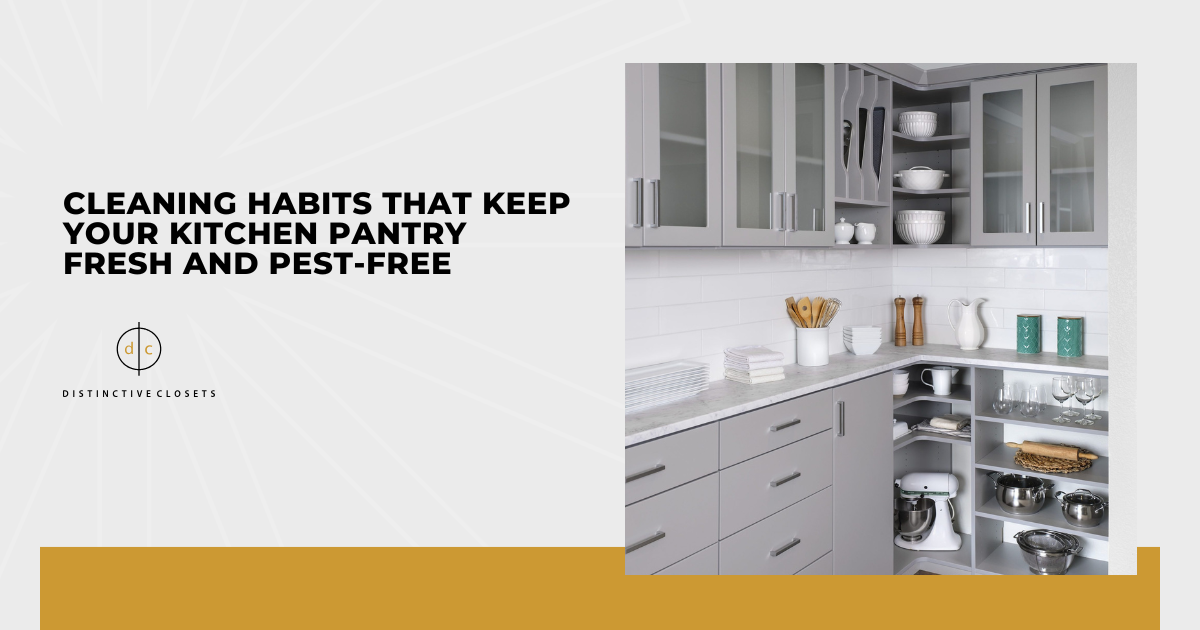
Credit: www.distinctiveclosets.net
Dealing With Infestations
Dealing with pantry infestations can feel frustrating and overwhelming. Pests like weevils, ants, or moths often hide in dry goods. They multiply quickly and contaminate food. Acting fast is key to stop the problem from growing. Use careful methods to remove pests without harming your family or pets.
Safe Removal Methods
First, empty the entire pantry. Check every container and package for signs of pests. Throw away any infested food in sealed bags. Clean shelves and corners with soap and warm water. Avoid using harsh chemicals that can contaminate food. Use natural repellents like bay leaves or cloves inside containers. Store grains and flour in airtight jars to block pests. Vacuum corners and cracks to remove eggs and larvae. Repeat cleaning regularly until pests disappear.
When To Call A Professional
Small infestations you can manage yourself. Large or persistent problems may need expert help. Professionals use safe pest control methods that are effective. They find hidden infestations you might miss. Call a pest control service if pests keep coming back. Also, call if you spot many insects or damage to pantry structures. Early professional help saves time and prevents health risks.
Frequently Asked Questions
How Can I Prevent Pests In My Pantry?
Keep your pantry clean and dry. Store food in airtight containers. Regularly check for expired items and discard them. Use natural repellents like bay leaves to deter pests.
What Are Common Pantry Pests To Watch For?
Common pantry pests include weevils, moths, and ants. They infest grains, flour, and dried goods. Early detection helps prevent a large infestation.
How Do Airtight Containers Help Pest Control?
Airtight containers block pests from accessing food. They also preserve food freshness and prevent moisture buildup. Using these containers is a simple, effective pest control method.
Can Natural Remedies Keep Pantry Pests Away?
Yes, natural remedies like bay leaves, cloves, and vinegar repel pests. They are safe, eco-friendly alternatives to chemical pesticides. Regular use helps maintain a pest-free pantry.
Conclusion
Keeping your pantry pest-free takes small, steady steps. Store food in airtight containers to block pests. Clean shelves often to remove crumbs and spills. Check packages before buying to avoid bringing pests home. Keep your pantry dry and well-ventilated. Stay alert for signs of pests and act quickly.
These habits protect your food and save money. A clean pantry means safer meals and less waste. Simple actions make a big difference every day. Stay consistent, and pests will stay away.