If you are wondering **why indoor humidity is high**, start with moisture. Humidity is water vapor in the air. It can come from showers, cooking, laundry, people, plants, leaks, damp basements, and outdoor air. In warm and humid parts of the United States, outdoor moisture can also enter through doors, windows, cracks, and ventilation openings.
High humidity is more than a comfort issue. It can make a room feel warmer and can lead to condensation on windows, walls, pipes, and other cool surfaces. Long-term moisture can also support mold growth and damage some building materials.
The first step is simple: measure the humidity instead of guessing. A small digital hygrometer can show how humidity changes during the day. Once you know the level and when it rises, it becomes much easier to find the source.

What Is Indoor Humidity?
Indoor humidity tells you how much water vapor is in the air. Most home humidity readings use **relative humidity**, or RH. It compares the moisture in the air with the most moisture that air can hold at the same temperature.
Temperature matters because warm air can hold more water vapor than cold air. This is why the same amount of moisture can produce different RH readings as a room warms or cools. It also explains why cold windows can collect water when indoor air is damp.
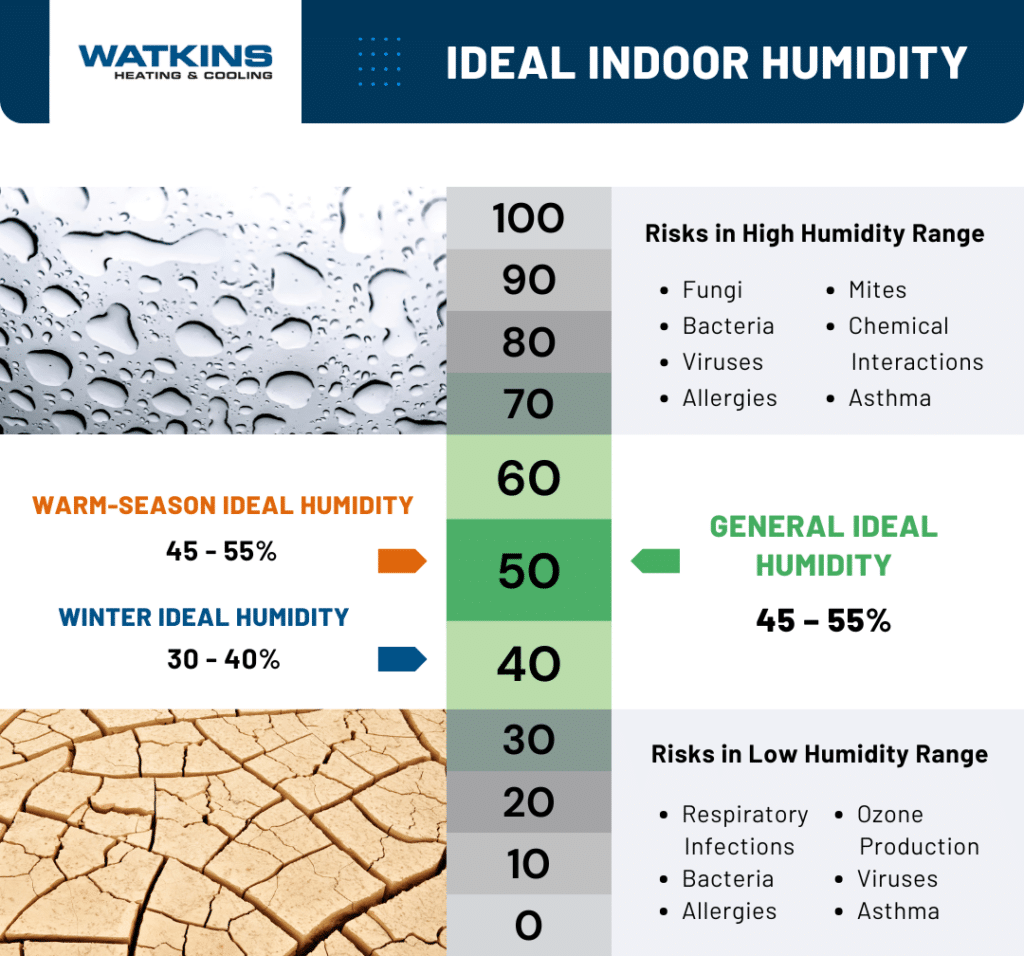
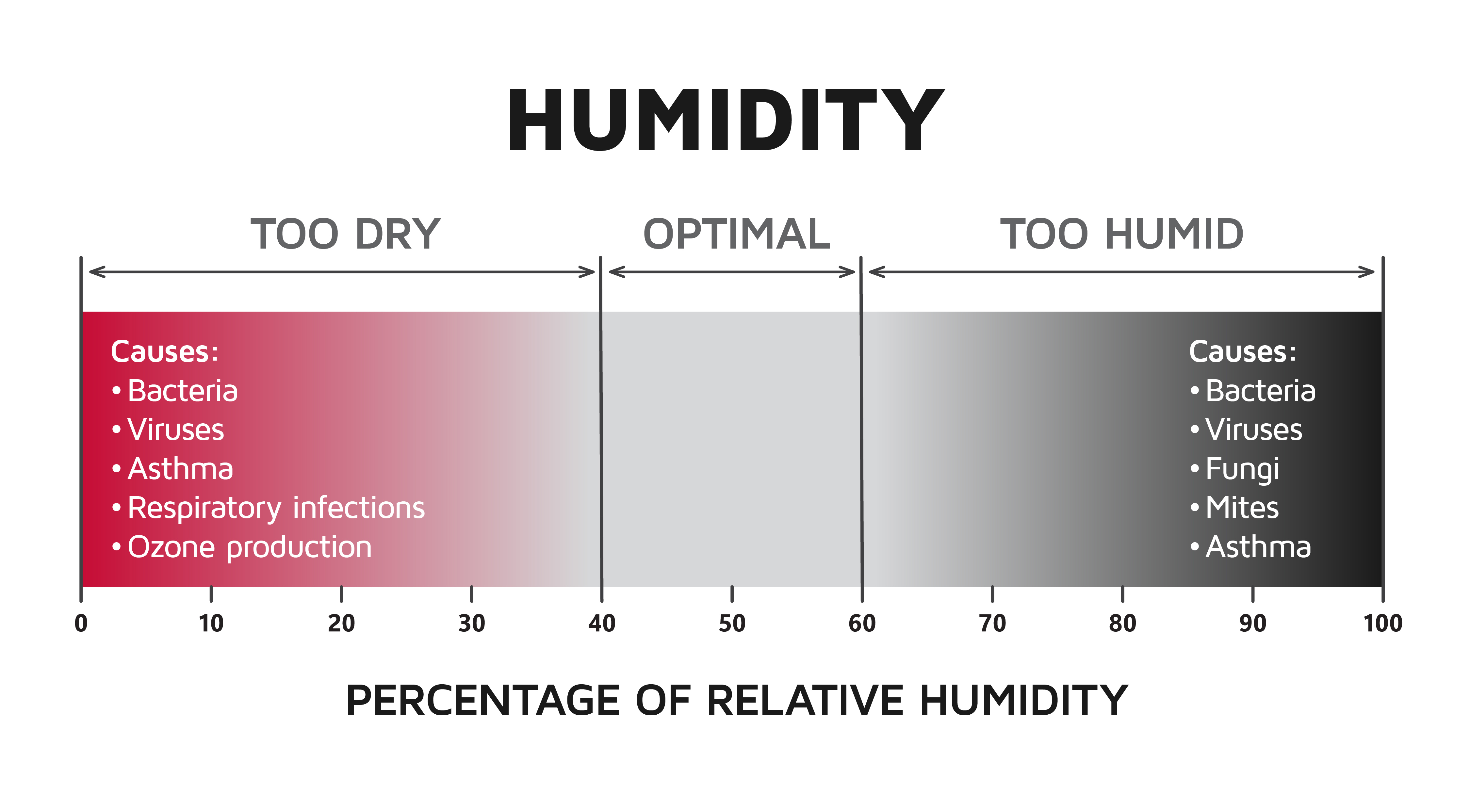
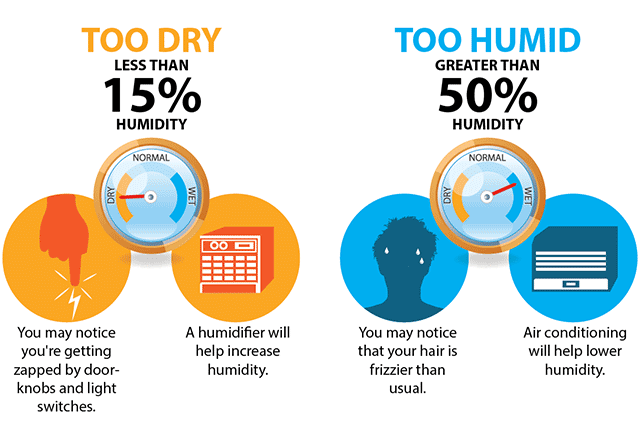
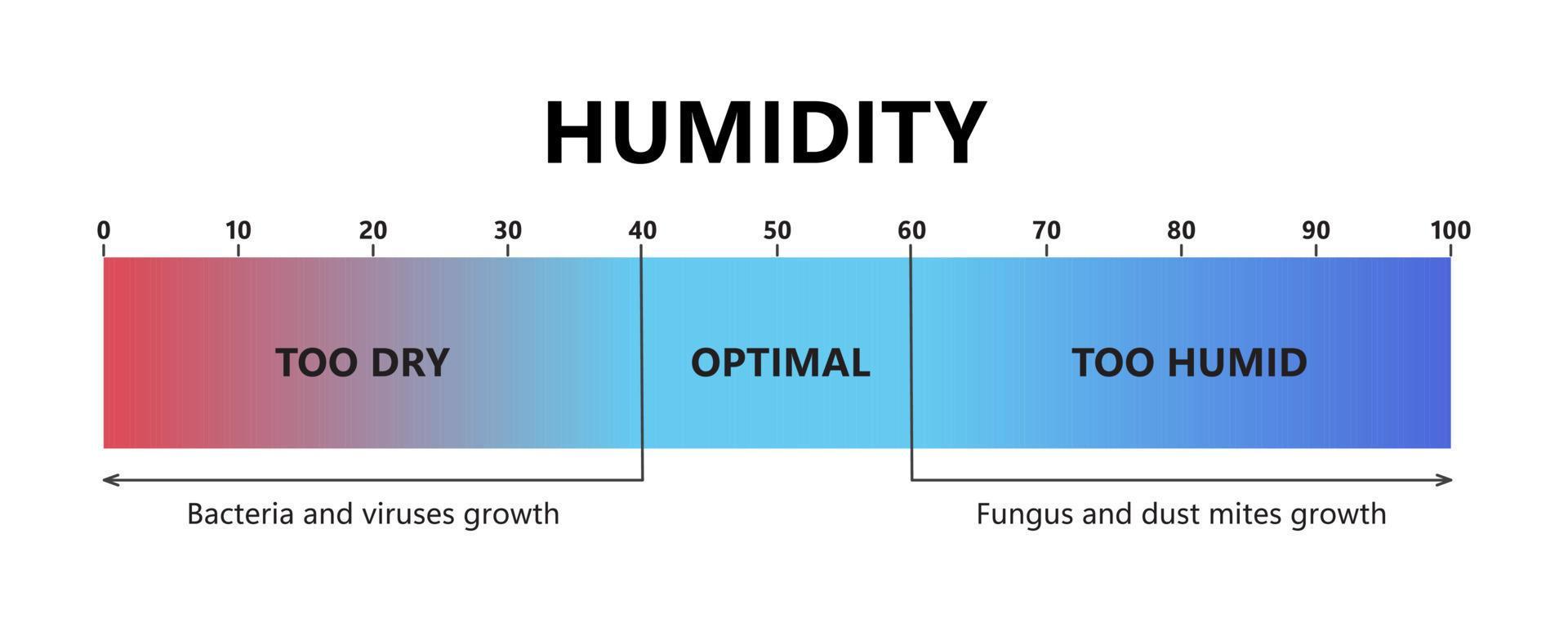
For many homes, keeping indoor relative humidity near 30% to 50% is a practical goal. The U.S. Environmental Protection Agency advises keeping indoor humidity below 60%, and ideally between 30% and 50%, when possible.

- ✦ 30% to 50%
This range is a useful target for many homes and can help balance comfort with moisture control.
- ✦ Above 60%
Higher levels can increase the chance of condensation and moisture-related problems.
- ✦ Use a hygrometer
A hygrometer gives you a direct humidity reading and helps you track changes over time.
Relative Humidity Is Not the Same as Moisture Amount
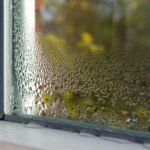
A humidity reading does not tell the whole story by itself. Warm air and cold air behave differently. If warm, moist air touches a cold surface, the air near that surface can reach its dew point and form liquid water.
That is why condensation on a window can be an important clue. It may mean the room has too much moisture, the surface is too cold, or both.
- ✦ Watch cold surfaces
Check windows, exterior walls, pipes, and areas behind furniture for dampness or repeated condensation.
Why Indoor Humidity Is High: The Most Common Causes
There is rarely just one answer to **why indoor humidity is high**. In many homes, several small moisture sources add up. A long shower, a dryer, a damp basement, and humid outdoor air can all contribute to the same high reading.
Finding the source matters because lowering humidity without fixing the source may only give short-term relief. For example, a dehumidifier can collect water from the air, but it will not repair a plumbing leak or stop outdoor water from entering the home.

- ✦ Humid outdoor air
Warm, humid outdoor air can enter through open windows, doors, leaks, and ventilation paths. This is common during humid summer weather.
- ✦ Showers and baths
Hot water adds water vapor to the air. A weak or unused bathroom exhaust fan can let that moisture spread through the home.
- ✦ Cooking
Boiling water, steaming food, and cooking without a vent can add a surprising amount of moisture to indoor air.
- ✦ Clothes drying
Wet clothes release water as they dry. Dryers should vent outdoors when designed for outdoor venting.
- ✦ Leaks
Roof leaks, plumbing leaks, foundation seepage, and damaged gutters can add moisture to walls, floors, ceilings, and crawl spaces.
- ✦ Basements and crawl spaces
Cool below-grade areas can collect moisture from soil, foundations, pipes, and damp building materials.
- ✦ Too little ventilation
Without enough air exchange, moisture from normal household activities can stay indoors instead of leaving the building.
- ✦ HVAC moisture problems
An air conditioner that is oversized, poorly maintained, short-cycling, or not operating correctly may not run long enough to remove enough moisture.
- ✦ Humidifiers
A humidifier can raise indoor humidity quickly if it runs too long or has a setting that is too high for the home.
People and Everyday Activities Add Moisture
People naturally release moisture when they breathe and sweat. Normal activities add even more. Showering, cooking, washing dishes, mopping floors, and drying clothes all put water vapor into the air.
This does not mean these activities are harmful. The issue comes when the home cannot remove the added moisture. Good exhaust fans, outdoor venting, and proper HVAC operation can make a large difference.
- ✦ Simple clue
If humidity rises sharply after showers, cooking, or laundry, look first at exhaust fans and outdoor venting.
Outdoor Humidity Can Be the Main Driver
In a hot, humid climate, outdoor air can bring a large moisture load into a home. Opening windows may help when outdoor air is dry, but it can make indoor humidity worse when outdoor air is already humid.
This is an important reason why the answer to **why indoor humidity is high** can change with the weather. A strategy that works on a dry spring day may not work during a humid summer afternoon.
- ✦ Check both sides
Before opening windows to lower humidity, compare indoor and outdoor humidity. Ventilation helps most when outdoor air is suitable for the indoor space.
How Your HVAC System Affects Indoor Humidity
Your heating and cooling system plays a major role in moisture control. In cooling mode, an air conditioner can remove water from the air as warm indoor air passes over a cold evaporator coil. The moisture then drains away through the system.
If the system does not run long enough, moisture removal may be limited. This can happen when an air conditioner is oversized for the home, when it short-cycles, or when there is a system problem.
A common mistake is to focus only on the thermostat temperature. A room can reach the desired temperature while still feeling damp. When the temperature drops fast but humidity stays high, HVAC sizing and moisture removal deserve attention.
- ✦ Short cycling
A system that turns on and off often may cool the room before it has enough time to remove moisture.
- ✦ Dirty or blocked components
Poor airflow and neglected maintenance can affect system performance and moisture removal.
- ✦ Drain problems
A blocked condensate drain can cause water problems around the indoor unit and should be addressed promptly.
- ✦ Oversized AC
An oversized cooling system may satisfy the temperature setting quickly, which can reduce its time for dehumidification.
Why the AC Can Run but Humidity Stays High
Cooling and dehumidifying are related, but they are not exactly the same job. The air conditioner needs enough run time and the right operating conditions to remove moisture effectively.
If humidity remains high even when the AC runs often, check for air leaks, high outdoor moisture, poor ventilation, a dirty system, short cycling, or a unit that is not matched well to the home.
- ✦ Professional check
If high humidity continues despite normal cooling, an HVAC professional can inspect airflow, refrigerant conditions, condensate drainage, equipment sizing, and system operation.
Signs That Your Indoor Humidity Is Too High
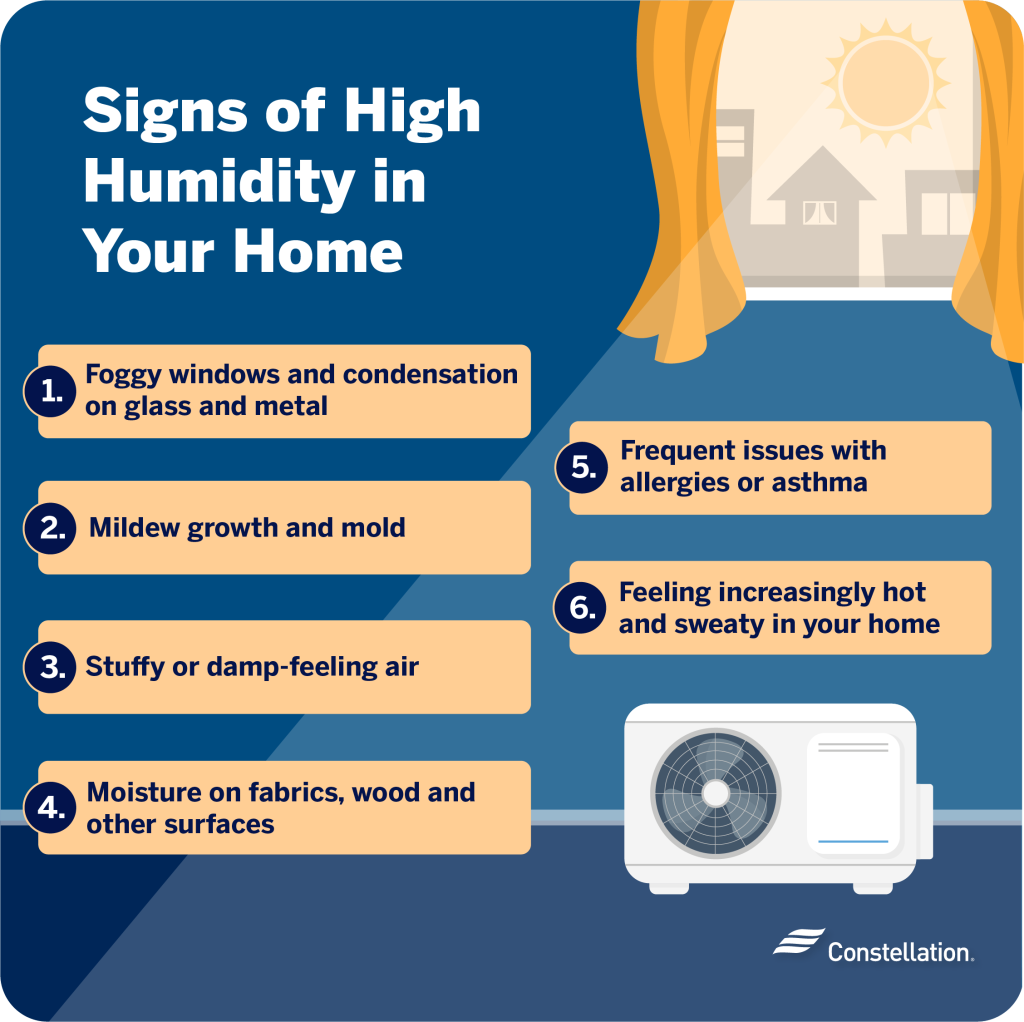
A hygrometer is the best place to start, but your home can also give you clues. Musty odors, damp surfaces, peeling paint, and repeated window condensation may point to excess moisture.
One sign alone does not prove that high humidity is the cause. Still, several signs together can help you decide where to investigate first.

- ✦ Condensation
Water on windows, pipes, or other cool surfaces can signal excess moisture or a surface that is too cold.
- ✦ Musty smells
A persistent musty odor can point to damp materials or hidden moisture.
- ✦ Visible mold
Mold can grow when moisture remains available. Finding mold means the moisture source should also be investigated.
- ✦ Sticky indoor air
High humidity can make rooms feel damp, heavy, or warmer than the thermostat reading suggests.
- ✦ Peeling or bubbling finishes
Paint, wallpaper, or other finishes may show damage when moisture gets into building materials.
- ✦ Damp closets
Closets with poor airflow can hold moisture, especially when they contain damp clothing or sit against cool exterior walls.
Can High Humidity Cause Mold?
High humidity does not guarantee mold growth, but it can create conditions that support it. The EPA recommends keeping indoor relative humidity below 60%, ideally between 30% and 50%, to help control moisture and mold.
Mold also needs a suitable surface and enough moisture. Fixing leaks, drying wet materials, and controlling humidity are therefore more useful than simply cleaning visible mold and leaving the moisture source in place.
- ✦ Act on wet areas
Dry wet materials as soon as possible and repair the source of water rather than relying only on surface cleaning.
How to Check Indoor Humidity Correctly
Before you change your HVAC settings or buy a dehumidifier, measure the problem. A digital hygrometer is inexpensive and easy to use. Place it in a normal living area and keep it away from direct sunlight, vents, radiators, and appliances that produce heat.
Humidity can vary from room to room. A basement may read much higher than an upstairs bedroom. A bathroom may spike after a shower and then return to normal later.
To understand **why indoor humidity is high**, take readings at different times. Check after waking, after cooking, after showers, during HVAC operation, and when the weather changes.
- ✦ Measure more than once
A single reading may miss a humidity spike. Check at different times of day for a clearer pattern.
- ✦ Compare rooms
Test the basement, main living area, bedrooms, and other rooms if the problem seems uneven.
- ✦ Track weather
Note outdoor temperature and humidity when possible. This can show whether outdoor moisture is driving the indoor rise.
Where to Put a Hygrometer
For a general home reading, place the hygrometer in a central living area at normal breathing height. Avoid placing it right beside a bathroom door, kitchen range, window, supply vent, or humidifier.
If you suspect a specific problem, use a second meter. Comparing a basement reading with an upstairs reading can reveal where moisture is concentrated.
- ✦ Useful test
If one room stays much more humid than the rest of the home, investigate that room for leaks, poor airflow, cold surfaces, or a local moisture source.
How to Lower High Indoor Humidity
The best way to lower humidity is to remove the source or improve the way moisture leaves the home. Start with simple steps before buying new equipment. Use bathroom and kitchen exhaust fans, vent moisture outdoors, repair leaks, and make sure your cooling system works as it should.
If the outdoor air is warm and humid, opening windows may not help. In that case, air conditioning or a dehumidifier can remove moisture without bringing more humid air inside.
If you still cannot explain **why indoor humidity is high**, look at less obvious sources such as crawl spaces, basements, ductwork, plumbing leaks, wet insulation, or condensation on cold surfaces.
- ✦ Run bathroom exhaust fans
Use the fan during showers and for a period afterward so moisture leaves the home instead of spreading to nearby rooms.
- ✦ Use the kitchen range hood
When possible, use a hood that vents outdoors while cooking to remove heat, steam, and moisture.
- ✦ Vent the dryer outdoors
A properly vented dryer helps keep laundry moisture outside the home.
- ✦ Repair water leaks
Fix plumbing, roof, gutter, foundation, and drainage problems that add water to the building.
- ✦ Use air conditioning
Cooling systems can remove moisture while they operate, provided the system is working and sized appropriately.
- ✦ Use a dehumidifier
A dehumidifier can help when the home remains humid even with normal cooling and ventilation.
- ✦ Improve airflow
Keep interior air moving where practical, especially in closed rooms and areas with cold exterior walls.
- ✦ Dry wet materials quickly
Dry wet carpets, walls, floors, and other materials promptly after leaks, spills, or flooding.
When a Dehumidifier Makes Sense
A dehumidifier can be useful when the home has a steady moisture load that the HVAC system does not remove. This is common in basements, damp climates, and homes where cooling demand is low but moisture remains high.
Choose a unit based on the space and moisture load. Keep the unit clean, allow good airflow around it, and use its humidity control feature when available.
- ✦ Do not hide the cause
A dehumidifier should not replace repairs for active leaks, drainage problems, or major building moisture issues.
Should You Open Windows to Reduce Humidity?
It depends on the outdoor air. If outdoor air is cooler and drier, ventilation may help. If outdoor air is hot and humid, open windows can make indoor humidity worse.
This is one reason there is no single answer to **why indoor humidity is high** or how to fix it. Weather, building design, HVAC operation, and household habits all matter.
- ✦ Check first
Compare outdoor conditions with your indoor humidity before relying on open windows as a moisture-control method.
How High Humidity Affects Comfort, Health, and Your Home
High humidity can make a room feel warmer because sweat does not evaporate as easily from your skin. This can make you lower the thermostat even though the real issue is moisture.
Excess moisture also matters for the building. Repeated condensation can wet surfaces and materials. Persistent damp conditions can support mold and other biological growth.
The health effects of damp buildings vary by person and exposure. The CDC notes that indoor mold exposure can be linked with upper respiratory symptoms, cough, wheeze, asthma symptoms, and other problems in susceptible people.

- ✦ Comfort
High humidity can make warm rooms feel hotter and less comfortable.
- ✦ Mold risk
Persistent moisture can create conditions that support mold growth.
- ✦ Building materials
Repeated wetting can damage finishes and some porous materials over time.
- ✦ Indoor air quality
Moisture control is an important part of managing indoor air quality and preventing damp conditions.
High Humidity and Dust Mites
Dust mites prefer warm, humid conditions. Keeping indoor humidity controlled can make the home less favorable to them and can also help limit moisture-related indoor air problems.
Humidity control should be part of a broader cleaning and ventilation plan. It does not replace regular cleaning or medical care for people with allergies or asthma.
- ✦ Think moisture plus cleaning
Humidity control works best when combined with regular cleaning, leak repair, ventilation, and good housekeeping.
When High Indoor Humidity Needs Professional Help
Some humidity problems are easy to fix. Others point to a hidden building or HVAC issue. If indoor humidity stays high after you use exhaust fans, control obvious moisture sources, and operate the HVAC system normally, it is time to investigate further.
A professional can inspect the HVAC system, condensate drainage, ductwork, crawl space, basement, plumbing, insulation, and areas where outdoor water may enter. This is especially useful when humidity differs greatly between rooms or when condensation and musty odors keep returning.
- ✦ Call an HVAC professional
Get the system checked if the AC short-cycles, cannot control humidity, leaks water, or seems to run normally while humidity remains high.
- ✦ Call a water or building professional
Get help when you suspect foundation seepage, roof leaks, hidden plumbing leaks, or persistent crawl-space moisture.
- ✦ Take mold seriously
If mold covers a large area, returns after cleaning, or follows significant water damage, professional assessment may be appropriate.
A Simple Troubleshooting Order
A practical troubleshooting order can save time and money. First, measure the humidity. Next, look for obvious moisture sources. Then check ventilation and HVAC operation. If the reading remains high, investigate hidden moisture.
This approach gets closer to the real answer to **why indoor humidity is high** instead of treating only the symptom.
- ✦ Step 1
Measure indoor humidity with a reliable hygrometer.
- ✦ Step 2
Look for leaks, condensation, damp areas, and moisture from daily activities.
- ✦ Step 3
Check bathroom and kitchen exhaust fans and make sure they vent outdoors.
- ✦ Step 4
Review air conditioner operation, airflow, short cycling, and condensate drainage.
- ✦ Step 5
Use a dehumidifier when needed and address any underlying moisture source.
Common Humidity Mistakes to Avoid
Knowing **why indoor humidity is high** also means knowing what not to do. Some common fixes can make the problem worse or hide the real cause.
The goal is not to make indoor air as dry as possible. Very low humidity can also cause comfort problems. A balanced level is usually more useful than chasing the lowest number.
- ✦ Opening windows on humid days
This can bring more water vapor inside when outdoor air is already warm and humid.
- ✦ Using a dehumidifier without fixing a leak
The machine may collect water while the building continues to take on new moisture.
- ✦ Ignoring condensation
Repeated water on windows, pipes, or walls is a clue that deserves attention.
- ✦ Relying only on the thermostat
A comfortable temperature does not always mean comfortable humidity.
- ✦ Running a humidifier by habit
A humidifier should be used only when indoor air is too dry and should be controlled with a humidity reading.
- ✦ Cleaning mold without fixing moisture
Surface cleaning may not solve recurring mold if the moisture source remains.