
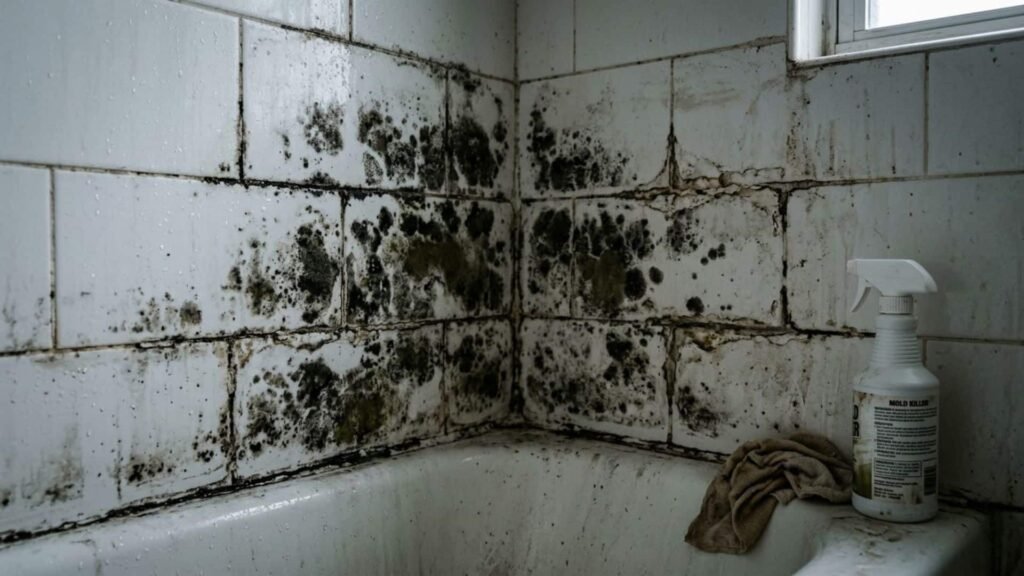
If you have ever seen dark spots on shower grout, a musty smell near the tub, or fuzzy growth on a bathroom ceiling, you may wonder why mold grows in bathroom spaces so often. The answer is simple: bathrooms give mold what it needs. Water, warmth, organic material, and poor air movement can work together to keep surfaces damp.
In homes across the United States, daily showers can add a lot of moisture to indoor air. A bathroom may look dry a short time later, yet moisture can remain in grout, caulk, drywall, towels, bath mats, and areas behind fixtures. Understanding this pattern makes bathroom mold much easier to prevent.
A useful lesson in home care is to look for the source of moisture instead of only cleaning the visible spot. If you wipe away mold but leave a leak, weak exhaust fan, or damp wall in place, the problem can return. The goal is not just to remove mold. It is to make the bathroom less friendly to mold growth.

Why Mold Grows in Bathroom Spaces So Easily
To understand why mold grows in bathroom areas, start with moisture. Mold spores are common in indoor and outdoor air. They become a problem when they land on a damp surface and find enough food to support growth.
Bathrooms often stay warmer than other rooms. Warm air can hold more water vapor. When that moist air touches a cool mirror, wall, tile, or window, water can condense on the surface and create small wet areas.
Mold can feed on many common materials found in bathrooms. Dust, soap residue, skin cells, paper, wood, drywall, and some caulk can give mold a food source. Once moisture remains for long periods, growth can begin and spread.

- ✦ Moisture
Showers, baths, sinks, wet towels, and leaks add water to the room and to nearby materials.
- ✦ Poor airflow
Weak ventilation slows drying and lets humid air stay in the bathroom for longer.
- ✦ Warmth
Warm bathroom air can hold more moisture, which can raise the chance of condensation on cooler surfaces.
- ✦ Food sources
Dust, soap film, organic debris, wood, drywall, and other materials can support mold growth.
The Role of Humidity
Humidity means the amount of water vapor in the air. A bathroom can become very humid during a hot shower, especially when the door stays closed and the exhaust fan is off. When that moisture cannot escape, it can settle on surfaces and keep them damp.
For many homes, humidity control is one of the most useful answers to why mold grows in bathroom spaces. A bathroom that dries fast gives mold fewer chances to grow.
- ✦ High humidity
Long periods of humid air can keep walls, ceilings, grout, and other surfaces damp.
- ✦ Condensation
Water can form when warm, moist air meets a cooler surface. Repeated condensation can create a steady moisture problem.
Why Small Amounts of Water Matter
A bathroom does not need standing water to develop mold. A thin film of water left on grout or under a bath mat may be enough if the area stays damp for a long time. This is why a bathroom can have a mold problem even when it looks clean and dry at first glance.
- ✦ Wet grout
Grout can hold moisture after a shower and may dry slowly when airflow is poor.
- ✦ Wet fabrics
Towels and bath mats can hold water and raise moisture near floors and walls.
The Most Common Causes of Bathroom Mold
The answer to why mold grows in bathroom areas is often a mix of several small problems. A shower may create steam, a fan may move too little air, and a damp towel may stay on the floor. Each issue adds moisture or slows drying.
Finding the cause matters because cleaning alone does not solve a moisture problem. If a leak keeps feeding the same area, new mold can appear soon after the old growth is removed.
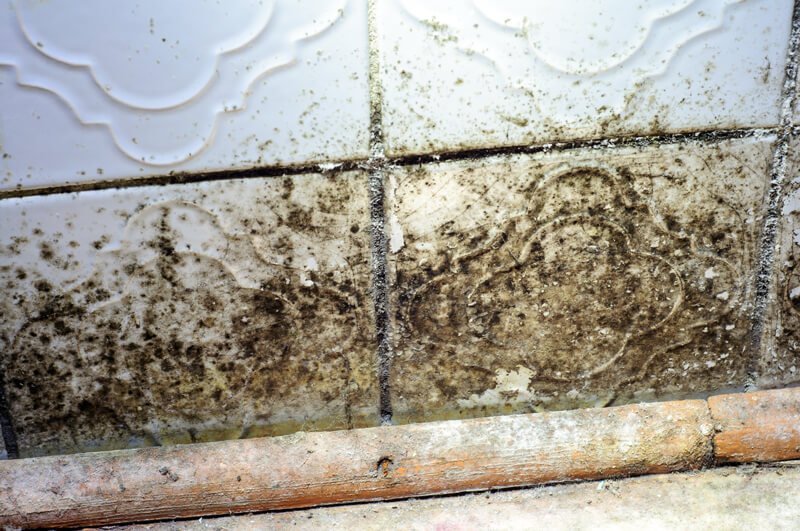
- ✦ Long, hot showers
Hot showers release steam into the room. Without good ventilation, that moisture can settle on walls, ceilings, and fixtures.
- ✦ Weak or unused exhaust fans
An exhaust fan helps move humid air out of the bathroom. A fan that is too weak, blocked, or rarely used may not remove enough moisture.
- ✦ Plumbing leaks
Slow leaks under sinks, behind toilets, around tubs, or inside walls can keep hidden materials damp.
- ✦ Wet towels and bath mats
Damp fabrics can stay wet for hours and may create a moist area with little airflow.
- ✦ Damaged caulk and grout
Cracked or worn seals can let water reach areas that should stay dry.
- ✦ Poor bathroom design
Tight spaces, limited airflow, cold surfaces, and materials that hold water can make drying harder.
Hidden Leaks Can Cause Repeat Mold
A recurring mold spot can point to moisture behind the surface. Look for stains, peeling paint, soft drywall, swollen wood, loose tiles, or a musty smell. These signs can mean water is reaching areas that normal cleaning cannot dry.
If mold keeps returning in the same place, do not assume you simply need a stronger cleaner. Find the water source first. A plumber or qualified water-damage professional may be needed when a leak sits behind a wall or fixture.
- ✦ Repeated growth
Mold that returns after cleaning may signal an ongoing moisture source.
- ✦ Musty odor
A strong, lasting musty smell can point to damp material that you cannot easily see.
Where Bathroom Mold Commonly Grows
Knowing where mold grows can help you spot a problem early. Mold often appears in places that stay damp, collect residue, or have limited airflow. The most visible areas are not always the only areas that need attention.
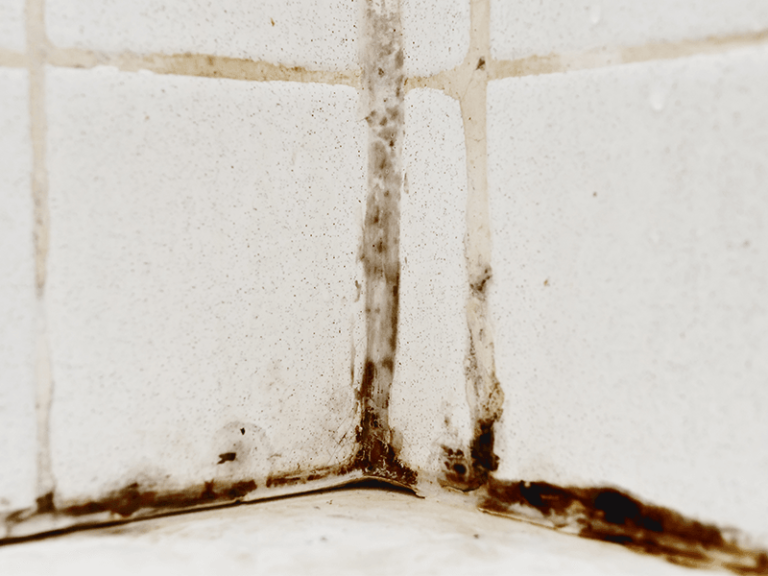
When people ask why mold grows in bathroom corners or along grout lines, the answer often comes down to slow drying. Corners, joints, and hidden spaces may receive less air than open surfaces.
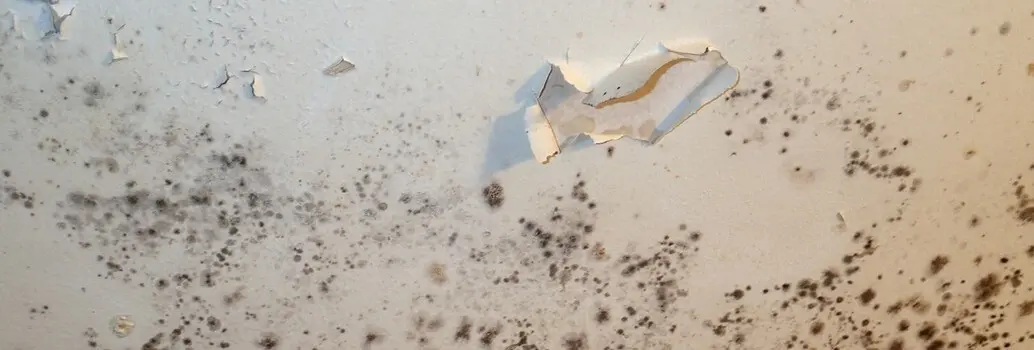
- ✦ Shower grout
Grout can stay damp after bathing and may collect soap and dirt that support surface growth.
- ✦ Tub and shower caulk
Old or cracked caulk can trap moisture and may develop dark staining or mold.
- ✦ Bathroom ceiling
Warm, humid air rises. A ceiling can collect condensation when ventilation does not remove moisture.
- ✦ Under the sink
Small plumbing leaks can create hidden damp areas inside cabinets.
- ✦ Around toilets
Leaks at the base or nearby supply connections can create persistent moisture.
- ✦ Behind bath mats
A mat can block airflow and hold water against the floor.
Why Mold Grows on Bathroom Ceilings
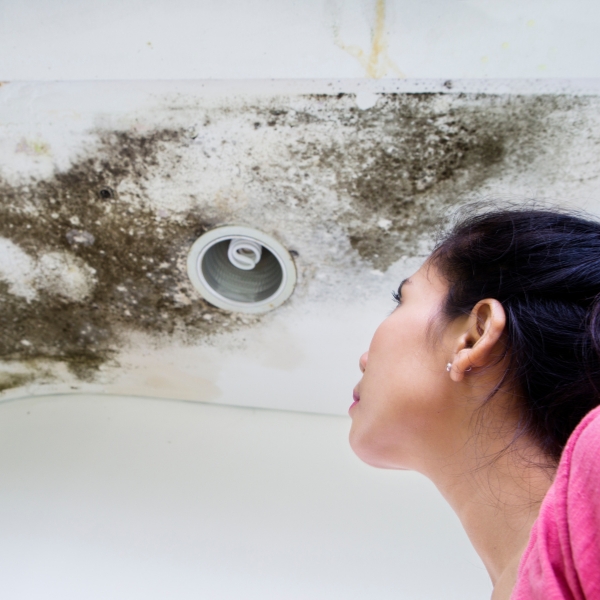
A ceiling can show mold when humid air rises and meets a cool surface. This is common when a shower creates steam and the exhaust fan does not remove it well. Dark marks on a ceiling deserve attention, especially if they spread or return after cleaning.
Ceiling mold can also point to a roof, plumbing, or ventilation problem. If the surface feels damp, soft, or damaged, investigate the moisture source before treating the visible growth.
- ✦ Steam rises
Moist air from a hot shower naturally moves upward and can reach the ceiling.
- ✦ Cold surfaces
A cooler ceiling can cause water vapor to condense into liquid water.
Why Mold Grows in Shower Grout
Shower grout sees repeated contact with water. It can also collect soap, body oils, and dirt. If the area stays wet between showers, mold has more time to grow.
Good airflow helps grout dry faster. Regular cleaning also removes residue that can help surface mold grow.
- ✦ Repeated wetting
Daily showers can keep grout damp again and again.
- ✦ Slow drying
Poor airflow can leave moisture in grout lines long after the shower ends.
How to Prevent Bathroom Mold
The best way to prevent bathroom mold is to control moisture every day. You do not need a perfect bathroom. You need a bathroom that dries well after normal use.
Small habits can make a real difference. Run the exhaust fan during showers and for a while after. Open the bathroom door when practical, spread out wet towels, and remove water from surfaces that stay wet.

- ✦ Use the exhaust fan
Turn the fan on during a shower and keep it running after the shower to help remove humid air.
- ✦ Improve airflow
Keep air moving through the room when practical. A fan cannot work well if the bathroom has no path for replacement air.
- ✦ Dry wet surfaces
Wipe standing water from walls, ledges, and other surfaces that stay wet.
- ✦ Wash and dry fabrics
Hang towels so they can dry fully. Clean and dry bath mats on a regular schedule.
- ✦ Fix leaks quickly
Repair dripping faucets, loose toilet connections, damaged caulk, and plumbing leaks before they create hidden moisture.
- ✦ Clean early signs
Remove small areas of surface growth before they spread, while using suitable protection and following product directions.
A Simple Daily Bathroom Routine
A simple routine can reduce the chance of mold growth. After a shower, let the fan run, spread out the towel, and remove water from surfaces that stay wet. These steps take only a few minutes but help the room dry sooner.
For U.S. homes with busy morning routines, the key is consistency. A short routine done every day is more useful than a deep cleaning done only after mold becomes obvious.
- ✦ During the shower
Use the exhaust fan and keep steam from spreading to other rooms when practical.
- ✦ After the shower
Keep ventilation going, hang towels apart, and wipe away excess water.
- ✦ Each week
Check grout, caulk, corners, ceilings, under sinks, and other damp areas for early signs of mold.
Keep Bathroom Humidity Under Control
A bathroom exhaust fan should move air outdoors rather than simply into an attic or another enclosed space. If the fan seems weak, makes unusual noise, or leaves mirrors wet for a long time, it may need cleaning, repair, or replacement.
A hygrometer can help you track indoor humidity. The U.S. Environmental Protection Agency recommends keeping indoor humidity below 60 percent, with an ideal range of 30 to 50 percent when possible.
- ✦ Check the fan
Make sure the fan works well and vents to the outdoors where the system design allows.
- ✦ Measure humidity
A small digital humidity meter can show whether the room stays too damp.
How to Clean Small Areas of Bathroom Mold Safely
For a small amount of surface mold, the first step is to stop the moisture problem. If you clean the spot while the area stays damp, the mold may come back. The cleaning method should also match the surface and the product label.
Do not mix cleaning products. In particular, never mix bleach with ammonia or other cleaners because dangerous gases can form. Use gloves and eye protection when appropriate, provide fresh air, and follow the label directions.

- ✦ Find the moisture source
Check for leaks, condensation, poor ventilation, or wet materials before cleaning.
- ✦ Protect yourself
Use suitable protective gear and avoid stirring up mold or dust.
- ✦ Follow the product label
Use a cleaner that is suitable for the surface and follow its directions for use.
- ✦ Dry the area
After cleaning, make sure the surface and nearby materials dry fully.
- ✦ Watch for return growth
If mold returns, look for hidden moisture instead of repeatedly treating the same spot.
When DIY Cleaning May Not Be Enough
A larger mold problem may need professional help, especially when mold covers a large area or involves porous materials. Mold can also be harder to address when it sits inside walls, under flooring, or in insulation.
Professional help may also make sense after major water damage. A qualified specialist can help find hidden moisture and determine which materials need drying, cleaning, or removal.
- ✦ Large or spreading growth
Extensive growth can be harder to control safely with basic household cleaning.
- ✦ Hidden moisture
Recurring mold, soft drywall, or water stains can point to a problem behind the surface.
- ✦ Major water damage
Flooding or a major plumbing leak can create moisture in materials that need professional drying.
What About Black Mold?
People often use the term black mold for dark-colored mold. Color alone cannot tell you what type of mold you have. Some molds can look black, green, brown, or gray, and different species can share similar colors.
The more useful question is why mold grows in bathroom areas and whether moisture remains. Focus on fixing water and humidity problems rather than trying to identify a mold species by color alone.
- ✦ Color is not a diagnosis
A dark patch does not by itself prove that a specific mold species is present.
- ✦ Moisture still matters
Finding and fixing the water source is a key part of controlling mold growth.
Can Bathroom Mold Affect Indoor Air and Health?
Mold can release spores and other particles into indoor air. Some people may have allergy or asthma symptoms when exposed to mold. Symptoms can include a stuffy nose, coughing, wheezing, eye irritation, or skin irritation in sensitive people.
Health effects vary from person to person. People with asthma, mold allergies, or weakened immune systems may need extra care around mold. If you have ongoing symptoms that you think may relate to indoor mold, talk with a health professional.
The practical goal is to reduce exposure and correct the moisture problem. Removing visible growth without fixing the source can allow it to return.
- ✦ Allergy symptoms
Some people may develop symptoms such as sneezing, congestion, or itchy and watery eyes after mold exposure.
- ✦ Asthma concerns
Mold and damp environments may worsen symptoms for some people with asthma.
- ✦ Sensitive groups
People with certain allergies, asthma, or weakened immune systems may need extra precautions around mold.
When to Take the Problem More Seriously
Do not ignore mold that keeps spreading, returns after cleaning, or appears with signs of water damage. A strong musty odor with no visible source can also suggest hidden damp material.
If a bathroom has major water damage, extensive mold, or damaged building materials, consider getting help from a qualified professional. The sooner the moisture source is addressed, the easier it may be to prevent further damage.
- ✦ Persistent odor
A musty smell that remains after cleaning may point to hidden moisture or growth.
- ✦ Structural damage
Soft walls, damaged ceilings, loose tiles, or swollen wood need more than routine surface cleaning.
How to Tell If Your Bathroom Has a Moisture Problem
Sometimes the clearest answer to why mold grows in bathroom spaces is found in the room itself. Look for signs that water does not leave the space fast enough. A bathroom that stays damp for hours needs attention even if you cannot see mold yet.
Pay close attention to patterns. If mold appears near one fixture, returns in one corner, or grows after every period of heavy use, the location can help point to the source.
- ✦ Condensation that lasts
Mirrors and windows that stay wet long after a shower may signal poor moisture removal.
- ✦ Peeling paint
Peeling or bubbling paint can result from repeated moisture exposure.
- ✦ Stained ceilings
Brown or yellow water marks may point to a leak rather than simple surface condensation.
- ✦ Soft materials
Soft drywall or swollen wood can signal water damage that needs prompt attention.
- ✦ Musty smells
A persistent musty odor can be a clue that damp material or mold is present.
Why Mold Grows Again After Cleaning
Recurring mold usually means the conditions that support growth still exist. The surface may look clean for a while, but hidden moisture, high humidity, or poor airflow can create the same conditions again.
This is why the most useful answer to why mold grows in bathroom spaces is not simply “because the room is dirty.” Mold growth is mainly a moisture and building-condition problem. Cleaning helps, but moisture control is what helps prevent the cycle.
- ✦ The area stays damp
Slow drying gives mold repeated chances to grow.
- ✦ The leak remains
An active leak can keep feeding the same area with moisture.
- ✦ Airflow is weak
Poor ventilation can leave humid air trapped in the room.
A Practical Bathroom Mold Prevention Checklist
Once you know why mold grows in bathroom spaces, prevention becomes much more practical. Think in terms of four goals: remove moisture, improve airflow, keep surfaces clean, and fix water problems quickly.
This approach works better than relying on one cleaner or one deep-cleaning day. Bathroom mold prevention is a routine. Small steps after each shower can help keep the room dry and easier to maintain.
- ✦ After each shower
Run the exhaust fan, keep air moving, hang towels apart, and remove excess water from wet surfaces.
- ✦ Each week
Inspect grout, caulk, corners, ceilings, under sinks, and around toilets for moisture or early mold.
- ✦ Each month
Check the exhaust fan, look for plumbing leaks, and inspect areas that are easy to overlook.
- ✦ After water damage
Dry affected materials quickly and assess hidden areas if water reached walls, floors, cabinets, or ceilings.
The Simple Rule to Remember
If you remember only one thing about why mold grows in bathroom areas, remember this: **mold needs moisture to keep growing**. Your best defense is to help the bathroom dry quickly after water enters the room.
A clean bathroom can still grow mold if it stays damp. A well-ventilated bathroom with good moisture control is much less likely to support ongoing mold growth.
- ✦ Dry faster
Use ventilation and simple drying habits to reduce the time surfaces stay wet.
- ✦ Fix the source
Repair leaks, damaged seals, and other moisture sources instead of treating symptoms alone.