A squeaky door is one of the easiest home repairs to put off. Yet the fix often takes only a few minutes. In most homes, the noise comes from friction inside a hinge. Dust, dry metal, loose screws, or slight door movement can make that friction worse.
When learning how to fix squeaky doors, start with the simple causes first. You usually do not need to remove the door or replace the hardware. A clean cloth, a screwdriver, and the right lubricant can solve the problem with little mess.
A useful repair habit is to listen before you apply anything. Open and close the door slowly. Touch each hinge as it moves. The hinge that vibrates or makes the sound is often the one that needs attention. This small check can save time and prevent you from treating the wrong part.
Why Do Doors Squeak?
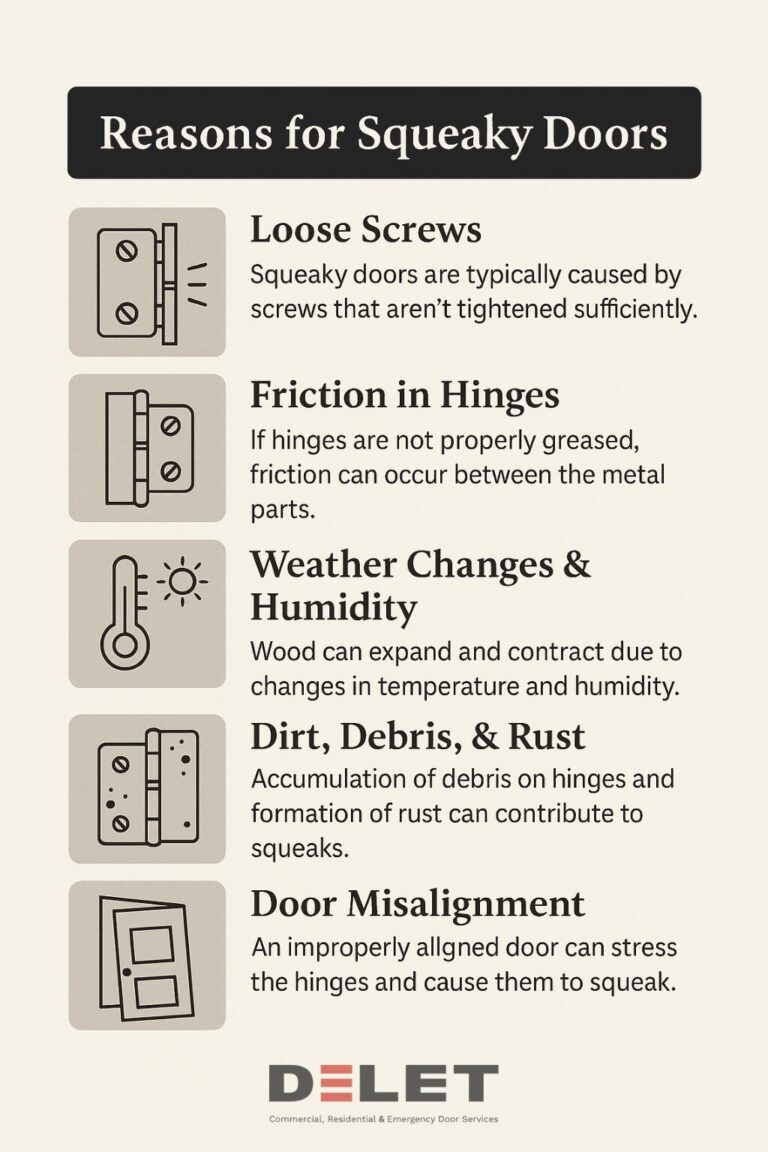
A door squeaks when two parts move against each other and create friction. The hinge is the most common source. Over time, hinge pins can lose lubrication and collect dust or grime.
Loose screws can also play a role. A hinge that moves slightly as the door opens may rub against the pin or hinge plate. In some cases, the door itself rubs against the frame because the hinge has shifted.
The key to learning how to fix squeaky doors is finding the exact source first. Do not assume every squeak needs oil. A loose screw, worn hinge, or rubbing door edge needs a different fix.
- ✦ Dry hinge
A dry hinge can create metal-on-metal friction and a sharp squeak each time the door moves.
- ✦ Loose screws
Loose hinge screws can let the door shift as it opens and closes.
- ✦ Dirty hinge
Dust and grime can collect around the hinge pin and increase friction.
- ✦ Door rubbing
A door may rub the frame, floor, or weather seal if it has shifted out of position.
- ✦ Worn hardware
Old or damaged hinges may squeak even after cleaning and lubrication.
How to Find the Squeaky Hinge
Open the door slowly and listen near each hinge. Most interior doors have three hinges, so check them one at a time. Place a finger lightly on a hinge while moving the door. A hinge that feels rough or vibrates may be the source.
If the noise is hard to hear, open the door in short movements. Stop after each movement and listen. This makes it easier to tell whether the sound comes from the hinge or from the door touching the frame.
- ✦ Check every hinge
Test the top, middle, and bottom hinges instead of treating only the hinge that looks dirty.
- ✦ Check the frame
Look for fresh rub marks where the door meets the frame or stop.
What You Need to Fix a Squeaky Door
You do not need a large tool kit for most squeaky door repairs. Keep the setup simple. The goal is to reduce friction, clean away grime, and make sure the hinge stays firmly attached.
For most interior doors, a screwdriver and a small amount of suitable lubricant are enough. A rag or paper towel also helps catch drips and wipe away dirt.

- ✦ Screwdriver
Use a screwdriver that fits the hinge screws well. A poor fit can damage the screw head.
- ✦ Lubricant
Use a light household oil or a lubricant made for moving metal parts. Apply only a small amount.
- ✦ Clean cloth
Keep a cloth nearby to wipe the hinge and remove extra lubricant.
- ✦ Small brush
A soft brush can help remove dust and dirt from a hinge before you lubricate it.
- ✦ Replacement screws
Longer or new screws may help when existing screws no longer hold the hinge firmly.
Can You Use Household Products?
Some household products may reduce noise for a short time, but they are not always the best choice for long-term hinge care. Cooking oils can become sticky and may attract dust. Water-based products may also provide poor long-term protection for metal parts.
For a lasting repair, choose a lubricant that is suitable for hinges or moving metal parts. Use a small amount first. Too much lubricant can drip onto the door, trim, or floor.
- ✦ Use less than you think
A few drops are often enough for a standard door hinge.
- ✦ Avoid a messy repair
Place a cloth below the hinge and wipe away any excess lubricant after testing the door.
How to Fix Squeaky Doors With Lubricant
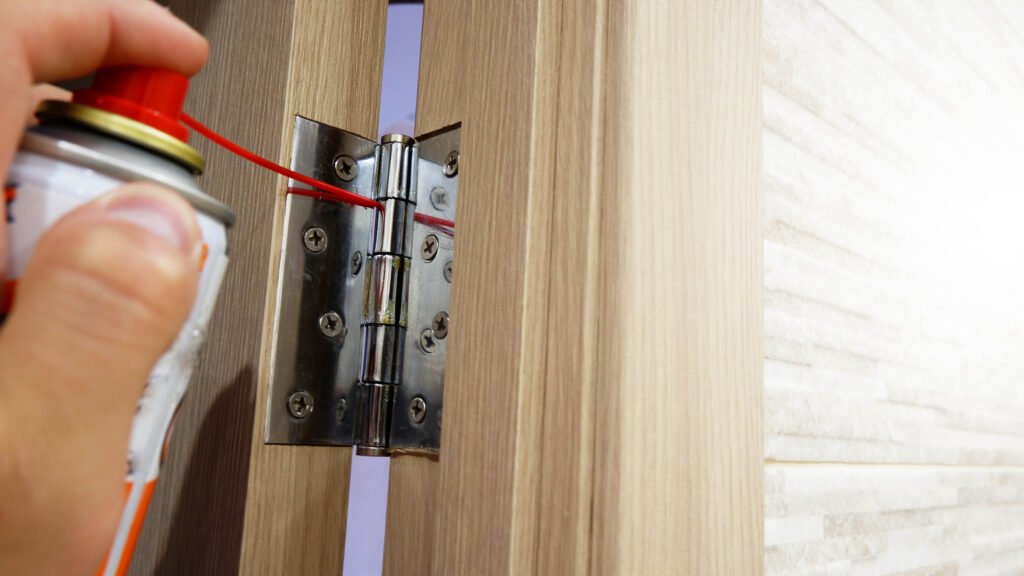
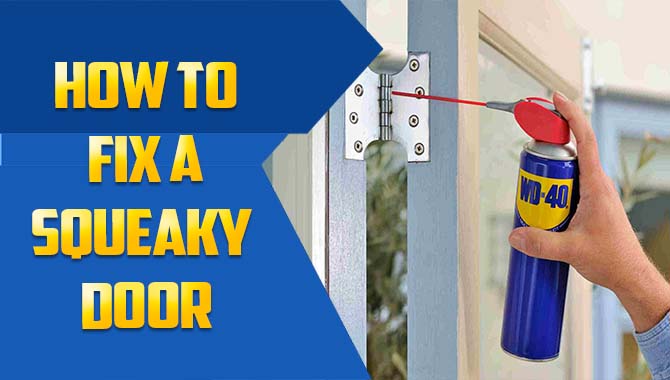
Lubricating the hinge is the first method to try because it is quick and does not require you to remove the door. This method works well when dry metal is causing the noise.
Before you start, protect the nearby floor and trim with a cloth. Then work slowly. A small amount of lubricant placed in the right spot is better than a large amount spread over the whole hinge.
- ✦ 1. Open the door
Move the door until you can clearly reach the noisy hinge and see the hinge pin.
- ✦ 2. Clean the hinge
Wipe away visible dust and grime from the hinge with a clean cloth.
- ✦ 3. Apply lubricant
Place a small amount of suitable lubricant around the hinge pin and the moving areas of the hinge.
- ✦ 4. Move the door
Open and close the door several times so the lubricant can spread through the moving joint.
- ✦ 5. Wipe excess
Remove any oil that runs down the hinge or lands on the door or frame.
How Much Lubricant Should You Use?
Start with a small amount. You can always add more if the hinge still squeaks. Using too much does not make the repair better and can leave an oily film that catches dust.
After applying the lubricant, move the door through its full range several times. If the squeak stops, wipe the hinge clean and test the door again after a few minutes.
- ✦ Small amount
Use enough to coat the moving joint without soaking the hinge.
- ✦ Work it in
Repeated door movement helps the lubricant reach the parts that rub together.
How to Fix Squeaky Doors by Tightening the Hinges
If lubrication does not solve the problem, check the hinge screws. A loose hinge can let the door move in ways it should not. That movement can create squeaks and may also cause the door to rub the frame.
Use the correct screwdriver and tighten each screw until it feels secure. Do not force the screw once it is tight. Over-tightening can damage the screw, hinge, or wood.

- ✦ Inspect the screw heads
Replace screws with damaged heads if you cannot tighten them safely.
- ✦ Tighten evenly
Check all screws on the hinge plate rather than tightening only one.
- ✦ Test the door
Open and close the door after tightening to see if the sound or rubbing has stopped.
- ✦ Watch for stripped holes
If a screw turns without becoming tight, the wood around the screw may no longer hold it well.
What If a Hinge Screw Will Not Tighten?
A screw that spins freely may have lost its grip in the wood. This is common on older doors that have been opened and closed for years. Simply turning the same screw again will not solve the problem.
A damaged screw hole may need a stronger repair. Depending on the door and frame, this can involve replacing the screw with a longer suitable screw or repairing the wood around the hole. If the hinge is badly loose, professional help may be worthwhile.
- ✦ Do not force it
Forcing a loose screw can enlarge the hole and make the repair harder.
- ✦ Check the hinge plate
Make sure the hinge itself sits flat against the door and frame.
How to Fix a Squeaky Door by Removing and Cleaning the Hinge Pin
A stubborn squeak may need more than a quick spray or drop of oil. If dirt or corrosion has built up around the hinge pin, cleaning the pin can give you a better repair.
This method requires more care because the hinge pin helps support the door. For a heavy solid-core door, get help before removing a hinge pin. The door can move or become unstable when its hardware is disturbed.

- ✦ Support the door
Keep the door supported if you plan to remove a hinge pin, especially if the door is heavy.
- ✦ Remove the pin carefully
Use a suitable tool and work gently to avoid bending the hinge or damaging the finish.
- ✦ Clean the pin
Wipe away dirt, old residue, or visible surface corrosion before applying fresh lubricant.
- ✦ Lubricate the pin
Apply a thin coat of suitable lubricant to the pin and moving hinge surfaces.
- ✦ Reinstall and test
Put the pin back in place, then open and close the door slowly to check the result.
When Should You Skip This Method?
Skip pin removal if the door is very heavy, difficult to support, or part of a setup you do not understand. A simple lubrication method may be enough. If the hinge is bent, cracked, badly rusted, or loose in the frame, replacing or repairing the hardware may be the better path.
- ✦ Heavy doors
Get another person to help support a heavy door before disturbing its hinges.
- ✦ Damaged hinges
Replace severely damaged hardware instead of trying to hide the problem with lubricant.
What to Do if the Door Still Squeaks
If the usual hinge fixes fail, the sound may not come from the hinge at all. A door can squeak when its edge rubs against the frame, when the latch moves against the strike plate, or when the door has shifted slightly.
Listen closely while opening the door. A hinge squeak tends to move with the hinge. A rubbing sound may come from one fixed spot on the frame. Finding that difference can point you to the right repair.

- ✦ Check the door edge
Look for marks or worn spots where the door touches the frame.
- ✦ Check the latch
Listen near the latch as the door closes. A dry or misaligned latch can create noise.
- ✦ Check the strike plate
Make sure the latch enters the strike plate without scraping or catching.
- ✦ Look for movement
Watch the hinge and frame as the door opens to spot unusual shifting.
- ✦ Inspect for damage
Cracked wood, bent hinges, or damaged hardware may need repair rather than lubrication.
How to Tell if the Door Is Rubbing the Frame
Open the door slowly and watch the gap between the door and frame. The gap should remain fairly even as the door moves. If one section gets very narrow or the door touches the frame, that area may be causing the sound.
Look for fresh scratches, worn paint, or dark marks. These signs can reveal where the door rubs. Fixing the hinge position or addressing the door alignment may solve the problem better than adding lubricant.
- ✦ Look for fresh marks
A new rub mark can show exactly where the door contacts the frame.
- ✦ Check the gap
An uneven gap can point to a hinge or alignment issue.
Common Mistakes When Fixing a Squeaky Door
Knowing what not to do can make the repair faster. Many failed fixes come from using too much product, skipping the inspection step, or treating the wrong part of the door.
A good repair should solve the cause, not just cover the sound for a short time. Take a few minutes to inspect the hardware before making larger changes.
- ✦ Using too much oil
Excess lubricant can drip, stain surfaces, and collect dust.
- ✦ Ignoring loose screws
Oil will not correct a hinge that is moving because its screws are loose.
- ✦ Lubricating the wrong area
If the frame is rubbing the door, hinge oil may not solve the noise.
- ✦ Using the wrong product
Some household products can become sticky or attract dirt, which may make future maintenance harder.
- ✦ Forcing a damaged hinge
A bent or badly worn hinge may need replacement instead of repeated lubrication.
A Simple Maintenance Routine
Once you know how to fix squeaky doors, prevention becomes easier. During normal home maintenance, check that hinge screws remain snug and that hinges are free of heavy dirt. A small amount of suitable lubricant can help moving hardware stay quiet.
Do not wait until a door becomes difficult to open. Early attention can prevent a small hinge problem from turning into a larger alignment or hardware issue.
- ✦ Inspect twice a year
A quick check during routine home maintenance can catch loose screws and early hinge wear.
- ✦ Clean before lubricating
Removing surface dirt helps the lubricant work on the moving parts instead of trapping grime.
When to Replace a Door Hinge or Call a Professional
Most simple squeaks are easy to handle, but not every door problem is a DIY job. If the hinge is cracked, badly bent, heavily corroded, or no longer holds the door correctly, replacement may be safer than repeated repairs.
Get help if the door is unusually heavy, has a damaged frame, or has a major alignment problem. A professional can also help when a door continues to bind after the hinges have been checked and tightened.
- ✦ Replace damaged hardware
A cracked or badly worn hinge can create noise and may not provide reliable support.
- ✦ Get help with heavy doors
Heavy doors can shift suddenly when hinge hardware is removed or disturbed.
- ✦ Address damaged wood
A hinge cannot stay secure if the wood around its screws is badly damaged.
- ✦ Call for persistent alignment problems
A door that keeps rubbing after basic hinge checks may need a more detailed inspection.
Signs the Problem Is More Than a Squeak
A squeak is often harmless, but other symptoms can point to a deeper issue. Watch for a door that drops, sticks, swings on its own, leaves large rub marks, or has hinges that move inside the frame.
These signs suggest that the door may need alignment work or hardware repair. Fixing the noise alone may not address the cause.
- ✦ Door drops
A door that appears lower than before may have a loose or damaged hinge.
- ✦ Door sticks
Persistent sticking can point to alignment, frame, hinge, or seasonal movement.
- ✦ Hinge moves in the wood
Movement around the hinge screws can mean the mounting area needs repair.