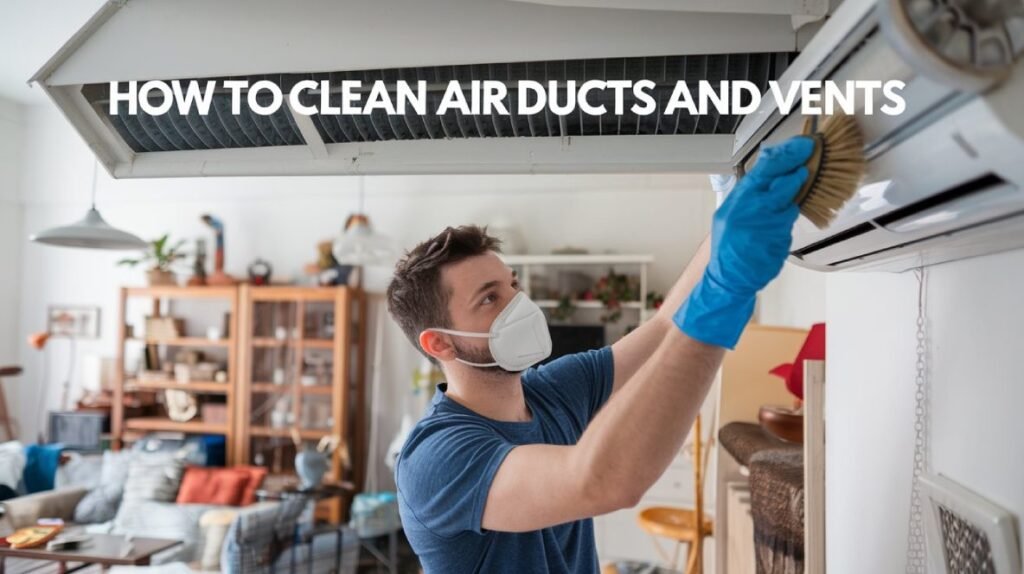
Learning how to clean air vents at home is one of the easier HVAC care jobs. You do not need special tools for most vent cleaning. A vacuum, soft brush, mild soap, and a clean cloth can handle the dust you can safely reach.
In many U.S. homes, vents collect dust, pet hair, lint, and bits of dirt over time. A regular clean keeps vent covers neat and helps stop loose dust from being blown around the room. **The key is to clean the vent opening gently rather than pushing dust deep into the duct.**
I have found that the best home approach is simple: clean the visible parts well, check the filter, and know when to stop. If you see mold, pests, water damage, or heavy debris deep in the duct, a deeper inspection may be a better choice than a DIY job.

Why Clean Your Air Vents?
Air vents sit in busy parts of the home. They collect dust from floors, furniture, pets, and daily life. Return vents can collect even more dust because they pull room air back toward the HVAC system.
Clean vents can make a room look better and may help keep loose dust from building up around the grille. They also give you a chance to spot problems early. A dirty cover is often easy to fix, while signs of moisture or pests may need more attention.

- ✦ Less visible dust
A clean grille has less built-up dust that can fall or blow into the room.
- ✦ Better airflow at the grille
Removing dust from a blocked or dirty cover can help air move through the opening more freely.
- ✦ Early problem checks
Cleaning lets you look for moisture, rust, insects, pests, or unusual debris.
- ✦ A cleaner home
Clean vent covers are a small but useful part of routine home cleaning.
Supply Vents vs. Return Vents
Supply vents send heated or cooled air into a room. Return vents pull room air back into the HVAC system. Both need cleaning, but return vents often gather more dust because they pull in room air.
When learning how to clean air vents at home, identify both types. Do not assume that cleaning only the small floor or wall grilles is enough.
- ✦ Supply vent
Usually pushes conditioned air into the room.
- ✦ Return vent
Usually pulls room air back toward the HVAC equipment.
What You Need to Clean Air Vents
You can clean most household vent covers with basic cleaning tools. A vacuum with a hose and brush attachment is the most useful tool. A soft paintbrush or microfiber duster can also loosen dust from narrow spaces.
Avoid harsh cleaners unless the vent maker says they are safe. Strong chemicals can damage paint or finishes. You also want to avoid soaking metal parts that may rust.
- ✦ Vacuum
Use a vacuum with a hose and a soft brush attachment to collect loose dust.
- ✦ Soft brush
Use a clean, soft brush for slats, corners, and small gaps.
- ✦ Microfiber cloth
Use a slightly damp cloth to wipe dust from the grille and nearby surfaces.
- ✦ Mild dish soap
Use a small amount with warm water when the removable cover needs a deeper wash.
- ✦ Screwdriver
Use the correct screwdriver if the vent cover is secured with screws.
Do You Need a Special Air Duct Cleaning Tool?
Usually, no. For normal home care, a vacuum and soft brush are enough for the parts you can safely reach. Long brushes can help with some grilles, but do not force tools far into the duct.
The goal of DIY vent cleaning is to remove surface dust. It is not to scrub every part of the HVAC duct system.
How to Clean Air Vents at Home Step by Step
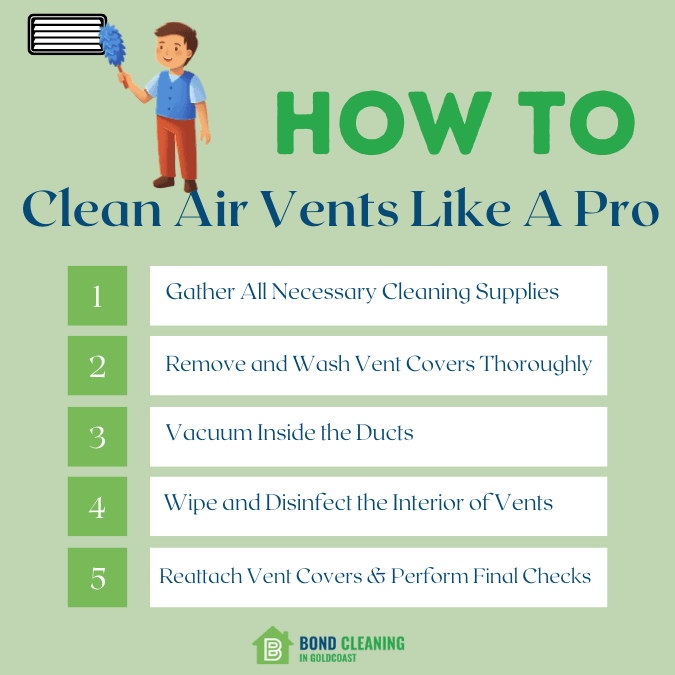
The easiest way to learn how to clean air vents at home is to work one vent at a time. Start with the HVAC system off. This reduces the chance of stirring dust into the air while you clean.
For wall and ceiling vents, place a stable step stool on a flat surface. Do not stretch or stand on furniture to reach a high grille. Safety matters more than speed.
- ✦ 1. Turn off the HVAC system
Set the heating or cooling system to off before removing a vent cover. Wait until the fan stops.
- ✦ 2. Protect the floor
Place a towel or old sheet below the vent if you expect loose dust to fall.
- ✦ 3. Remove the vent cover
Loosen the screws and lift the cover away. Hold it carefully so built-up dust does not spill.
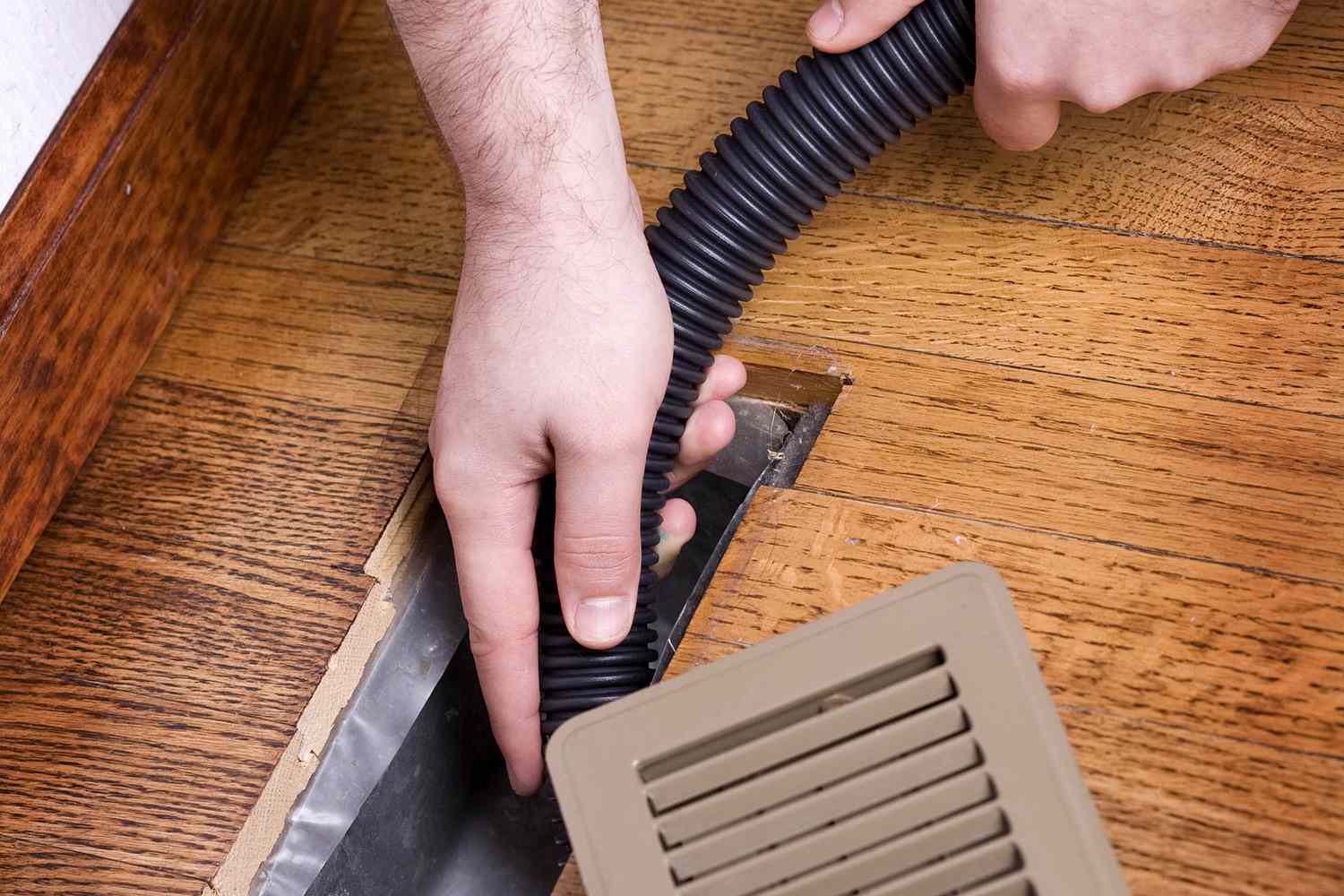
- ✦ 4. Vacuum the cover
Use the vacuum brush to remove loose dust from both sides of the grille.
- ✦ 5. Clean the vent opening
Vacuum dust from the visible area just inside the opening. Work gently and avoid pushing debris farther into the duct.
- ✦ 6. Wash the cover
If the cover is washable, use warm water and mild dish soap. A soft brush can loosen stuck dust.
- ✦ 7. Dry it fully
Dry the cover with a clean towel and let it air dry before putting it back.
- ✦ 8. Replace the cover
Put the grille back in its original position and tighten the screws without over-tightening them.
- ✦ 9. Turn the system back on
Restore normal HVAC operation after all cleaned parts are dry and secure.
How to Clean Floor Vents
Floor vents often collect more dirt because dust, hair, crumbs, and small objects can fall into them. Start by removing the grille and vacuuming the top and underside. Then clean the opening with the vacuum hose and a soft brush.
Check the area for toys, coins, paper, or other objects before replacing the grille. If you find damp material or a strong musty smell, stop and look for the source before cleaning deeper.
- ✦ Check the duct opening
Look for large objects and signs of moisture before you vacuum.
- ✦ Do not flood the opening
Keep water and wet cleaners out of the duct.
How to Clean Wall and Ceiling Vents
Wall and ceiling grilles may have a thin layer of dust that is easy to remove with a vacuum brush. For stuck-on grime, wipe the cover with a damp microfiber cloth after removing it.
Ceiling vents need extra care because dust can fall while you work. Wear eye protection if dust is heavy, and use a stable step stool instead of a chair.
- ✦ Use a stable step stool
Keep both feet secure and avoid reaching too far.
- ✦ Protect your eyes
Eye protection can help when cleaning dusty ceiling grilles.
How to Clean a Very Dirty Air Vent
A vent that has not been cleaned for years may have a thick layer of dust. Do not start by scrubbing hard. First remove as much loose material as possible with a vacuum.
If the cover can be removed, wash it with warm water and mild soap. For heavy buildup, let the cover soak for a short time if its finish allows it, then use a soft brush. Rinse and dry it fully before putting it back.
If dust keeps returning soon after cleaning, check the HVAC filter and the area around the vent. A dirty filter, loose grille, construction dust, or another source of debris may be part of the problem.

- ✦ Start dry
Vacuum loose dust before using water or cleaner.
- ✦ Use gentle pressure
Hard scrubbing can damage painted or coated vent covers.
- ✦ Check the HVAC filter
A dirty filter can contribute to dust buildup and can restrict airflow.
- ✦ Look for the source
Fast dust buildup can point to a larger cleaning or HVAC issue.
What If the Vent Has Mold?
Do not assume every dark spot is mold. Dust and dirt can look dark on an old grille. Still, visible growth, dampness, or a strong musty odor deserves more care.
If you suspect mold inside the duct system, avoid brushing it into the air. Find and fix the moisture source and consider a qualified professional for an inspection, especially when the affected area is large.
- ✦ Look for moisture
Condensation, leaks, or damp insulation can support unwanted growth.
- ✦ Avoid spreading debris
Do not aggressively brush suspected growth into the duct or room.
How Often Should You Clean Air Vents?
There is no single schedule that fits every home. Dust levels vary with pets, traffic, construction, smoking, home projects, and how often the HVAC system runs. A simple visual check is often more useful than following a rigid date.
For many homes, wiping visible vent covers during regular cleaning and giving them a deeper clean every few months works well. Homes with pets or heavy dust may need more frequent attention.
- ✦ Low dust home
Check vents during normal cleaning and clean them when you see visible buildup.
- ✦ Homes with pets
Check vents more often because pet hair and dander can build up quickly.
- ✦ After remodeling
Check vents after sanding, drywall work, flooring work, or other dusty projects.
- ✦ High-traffic areas
Entryways and busy rooms may need more frequent vent cleaning.
A Simple Cleaning Routine
Add vent checks to your normal home cleaning routine. Wipe the outside when you dust and give removable covers a deeper clean when they look dirty.
Also check the HVAC filter on the schedule listed by its maker. Filter care and vent cleaning work together, but they are not the same job.
- ✦ Regular check
Look at vent covers during routine dusting.
- ✦ Deeper clean
Remove and wash dirty covers when needed.
- ✦ Filter check
Follow the filter maker’s guidance and inspect it sooner when the home is dusty.
Common Air Vent Cleaning Mistakes to Avoid
Knowing how to clean air vents at home also means knowing what not to do. Most problems come from using too much water, pushing debris into the duct, or trying to clean parts that need professional care.
A gentle approach works better. Clean what you can see and reach safely. If the job turns into a deep duct repair or moisture problem, stop the DIY work and get the right help.

- ✦ Do not spray cleaner into the duct
Liquid can reach parts that were not designed to be wet and may create moisture problems.
- ✦ Do not push a brush deep inside
A brush can move dust farther into the duct instead of removing it.
- ✦ Do not clean with the HVAC running
The fan can spread loose dust while you work.
- ✦ Do not ignore a wet vent
Moisture may point to condensation, a leak, or another issue that needs attention.
- ✦ Do not use harsh chemicals
Strong cleaners may damage paint, coatings, or some plastic parts.
- ✦ Do not skip the filter
A dirty filter can affect airflow and allow more dust to collect in the system.
When DIY Cleaning Is Not Enough
Homeowners can safely handle many visible vent cleaning tasks. Deep duct cleaning is different. If you see heavy debris throughout the duct, signs of pests, damaged insulation, water damage, or suspected mold, a qualified HVAC or indoor environmental professional can assess the system.
You should also get help if a vent is loose, damaged, noisy, or connected to a system you cannot safely access. Good DIY maintenance includes knowing when to stop.
- ✦ Get an inspection for water damage
A moisture problem can return after surface cleaning if its source is not fixed.
- ✦ Get help for pest problems
Droppings, nests, or insects inside ductwork need more than routine dusting.
- ✦ Get help for damaged ductwork
Torn or disconnected ducts can affect airflow and should be repaired properly.
How Clean Vents Fit Into Whole-Home HVAC Care
Cleaning vent covers is only one part of HVAC care. The system also needs a clean filter, clear airflow paths, and routine checks. Keeping furniture, rugs, curtains, and other items from blocking vents can also help air move as designed.
If one room stays too hot or cold even after you clean its vent, the vent may not be the real cause. Air balance, duct problems, insulation, system size, and other HVAC factors can affect room temperature.
The best approach is to treat vent cleaning as simple home maintenance. It can keep visible parts clean and help you notice problems, but it cannot replace professional HVAC service when a system has a deeper fault.
- ✦ Keep vents clear
Do not block supply or return vents with furniture, rugs, or other items.
- ✦ Check the filter
Use the correct filter type and follow its replacement or cleaning instructions.
- ✦ Watch for changes
New odors, weak airflow, unusual sounds, or repeated dust buildup may need further inspection.
- ✦ Clean around the vents
Dust nearby floors, walls, and furniture so loose debris does not quickly return to the grille.
Does Cleaning Vents Improve Indoor Air Quality?
Cleaning visible dust from vents can reduce the amount of loose debris around the grille. But vent cleaning alone does not remove every indoor air pollutant or fix every air quality problem.
Good indoor air care also includes source control, ventilation, moisture control, and proper HVAC filter care. If someone in the home has special air quality needs, consider the full indoor environment rather than relying on vent cleaning alone.
- ✦ Clean visible dust
Remove dust from grilles and nearby surfaces.
- ✦ Control moisture
Fix leaks and damp areas instead of only cleaning their visible effects.
- ✦ Maintain the HVAC system
Keep filters, airflow paths, and equipment in proper working order.