
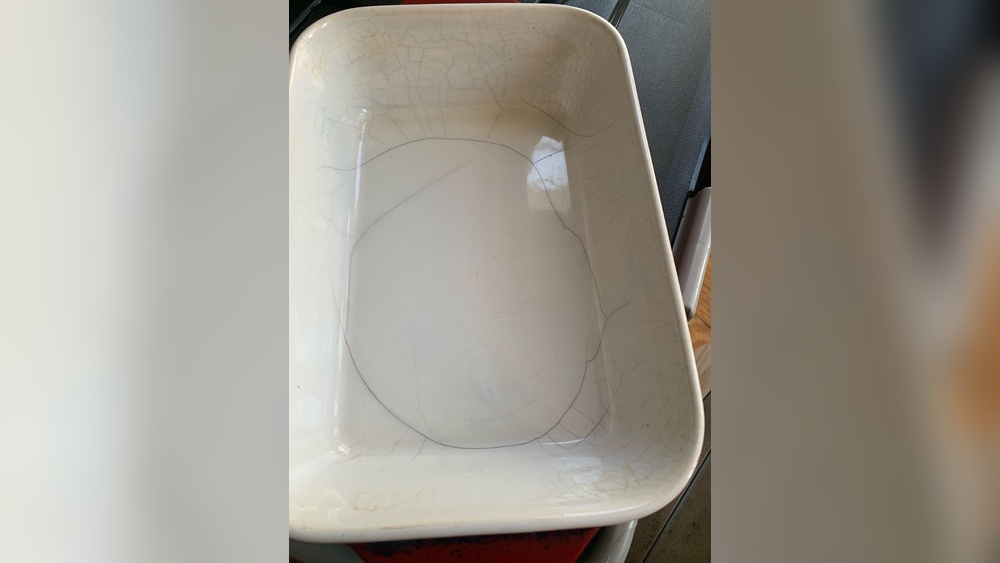
Have you ever wondered if your ceramic cookware can crack? You probably love how it looks and cooks your meals evenly, but the fear of cracks might be holding you back from using it fully.
What if you could understand exactly when and why ceramic cookware might crack—and how to prevent it? Keep reading, because by the end of this article, you’ll know how to protect your cookware and keep it lasting longer than you thought possible.
Your kitchen deserves that kind of confidence.

Credit: www.reddit.com
Causes Of Ceramic Cookware Cracks
Ceramic cookware is popular for its beauty and heat resistance. Still, cracks can appear over time. Understanding what causes cracks helps in caring for your cookware better.
Cracks often start small but can grow, affecting the cookware’s performance. Several factors contribute to these cracks. Knowing these can help you avoid damage.
Thermal Shock
Thermal shock happens when the cookware changes temperature too fast. For example, placing a hot pot on a cold surface. The sudden change makes the ceramic expand or contract quickly. This stress can cause cracks.
Impact Damage
Dropping ceramic cookware or hitting it against hard objects can cause cracks. Even a small knock can create stress points. These points may grow into visible cracks over time.
Poor Quality Materials
Low-quality ceramic cookware often cracks more easily. Cheap materials have weak structure. They cannot handle heat or pressure well. This makes them prone to cracks after regular use.
Improper Cleaning
Using harsh cleaning tools or chemicals can damage ceramic surfaces. Scrubbing with metal pads or using strong cleaners weakens the glaze. Weak glaze leads to cracks forming faster.
Excessive Heat
Overheating ceramic cookware causes damage. High heat can create stress in the material. This stress may cause cracks, especially if the cookware is empty or heated too quickly.
Signs Of Damage To Watch For
Ceramic cookware is popular for its non-stick surface and even heating. Over time, it can develop damage. Knowing the signs of damage helps keep your cookware safe and effective.
Damaged ceramic can crack, chip, or lose its smooth finish. These issues affect cooking and may cause health risks. Watch closely for changes in your cookware’s appearance and texture.
Cracks And Hairline Fractures
Cracks appear as visible lines on the ceramic surface. Hairline fractures are thin and may be hard to see. These cracks can grow with heat and use. They weaken the cookware and can cause food to stick.
Chipped Edges Or Surface
Small pieces may break off the edges or surface. Chips create rough spots that trap food and bacteria. Cookware with chips can lose its non-stick quality. The damage can worsen with regular cooking.
Discoloration Or Stains
Stains or dark spots may show on the ceramic coating. These spots do not wash away easily. Discoloration can mean the coating is wearing off. It might also signal the start of cracks beneath the surface.
Uneven Surface Texture
The ceramic surface should feel smooth and even. Rough or bumpy spots indicate damage. These textures can cause food to cook unevenly. They also make cleaning harder and reduce cookware lifespan.
Proper Heating Techniques
Proper heating techniques protect ceramic cookware from cracks. Ceramic pots and pans need slow, steady heat changes. Sudden temperature shifts cause stress and cracks. Learning the right way to heat ceramic keeps it safe and lasts longer.
Start With Low Heat
Always begin heating ceramic cookware on low or medium heat. High heat at the start can cause thermal shock. This shock may lead to cracks or breakage. Gradual heating helps the cookware warm evenly.
Avoid Sudden Temperature Changes
Do not put hot ceramic cookware directly on cold surfaces. Also, never pour cold water into hot ceramic pans. These quick changes cause the material to expand or contract fast. This stress can crack the ceramic easily.
Use Proper Burner Size
Match the cookware size with the burner size. A burner that is too large heats the sides unevenly. Uneven heat can cause cracks or damage. Using the right burner size keeps the heat balanced.
Preheat Slowly And Evenly
Give ceramic cookware time to warm up slowly. This avoids hot spots that lead to cracking. Stir food gently to spread heat evenly. Slow preheating protects the cookware’s surface.
Cleaning And Maintenance Tips
Caring for ceramic cookware helps keep it in good shape. Proper cleaning and maintenance reduce the risk of cracks. These tips make your cookware last longer and perform better.
Cleaning Ceramic Cookware
Use warm water and mild soap to clean ceramic cookware. Avoid harsh cleaners or abrasive scrubbers. Soft sponges prevent scratches on the ceramic surface. Wash cookware soon after use to remove food residue. Rinse thoroughly to avoid soap buildup.
Drying And Storing
Dry ceramic cookware with a soft cloth after washing. Do not stack wet cookware to prevent moisture buildup. Store cookware in a dry place with enough space between items. Use paper towels or cloth between stacked pots to stop scratches.
Preventing Thermal Shock
Do not expose ceramic cookware to sudden temperature changes. Avoid placing hot cookware into cold water or fridge. Let cookware cool before cleaning or storing. Thermal shock can cause cracks or damage the ceramic coating.
Safe Storage Practices
Safe storage practices help keep ceramic cookware in good shape. Proper care prevents cracks and chips. This extends the life of your pots and pans. Storing them correctly avoids unnecessary damage.
Store Cookware Separately
Keep ceramic pots and pans separate from metal items. Metal can scratch and chip ceramic surfaces. Use soft cloth or paper towels between stacked pieces. This adds a protective layer and reduces friction.
Use Racks Or Shelves
Place ceramic cookware on stable racks or shelves. Avoid overcrowding to prevent pressure on the ceramic. Give each piece enough space to avoid knocks and bumps. This helps maintain their shape and finish.
Handle With Care
Lift ceramic cookware carefully. Avoid sliding or dropping it on hard surfaces. Handle with both hands for better control. Careful handling lowers the risk of cracks and breaks.

Credit: cooking.stackexchange.com

Credit: www.reddit.com
Frequently Asked Questions
Can Ceramic Cookware Crack From Sudden Temperature Changes?
Yes, rapid temperature shifts can cause ceramic cookware to crack due to thermal shock.
Is Ceramic Cookware More Likely To Crack Than Metal Pans?
Ceramic is more fragile than metal and can crack if dropped or hit hard.
How Can I Prevent Cracks In Ceramic Cookware?
Avoid sudden heat changes and handle ceramic cookware gently to prevent cracks.
Does Using Metal Utensils Cause Ceramic Cookware To Crack?
Metal utensils may cause scratches but usually do not crack ceramic cookware.
Can Old Ceramic Cookware Crack More Easily?
Older ceramic cookware may weaken over time, increasing the chance of cracks.
Conclusion
Ceramic cookware can crack if exposed to sudden temperature changes. Handle your pots and pans with care to avoid damage. Avoid dropping or hitting them on hard surfaces. Use low to medium heat for longer life. Proper care helps your ceramic cookware last longer.
Choose good quality pieces for better durability. Small cracks can affect cooking performance and safety. Keep your kitchen tools safe, and enjoy cooking every day. Simple habits protect your ceramic cookware from cracking.






1 thought on “Can Ceramic Cookware Crack: Essential Tips to Prevent Damage”