If you want to know how to deodorize a room naturally, start with the cause, not the scent. A musty room, smoky room, pet area, and kitchen space can all need a different fix. Spraying a strong fragrance may hide a smell for a short time, but it does not remove what caused it.
A simple natural routine works well in many homes. Bring in fresh air, take out trash, wash or clean fabrics, dry damp spots, and treat odor-holding surfaces. Then use a mild odor absorber or a light natural scent if you still want one.

Why Does a Room Smell Bad?
Before learning how to deodorize a room naturally, it helps to know where odors come from. Bad smells often come from moisture, food, smoke, pets, dirty fabrics, trash, or poor airflow. Some odors can also come from hidden mold or a plumbing problem.
Odor molecules can settle into carpets, curtains, bedding, rugs, furniture, and other soft surfaces. Moist areas can make the problem worse because damp materials hold smells well. This is why a room may smell fresh for a few hours and then develop the same odor again.
The best approach is simple: **remove the source first, clean the surface second, and deodorize third**. This order gives natural methods a better chance to work.

- ✦ Moisture
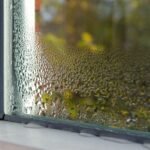
Damp towels, wet carpets, condensation, and poor ventilation can create a stale or musty smell.
- ✦ Food
Cooking, spills, old dishes, and food waste can leave strong smells in kitchens and nearby rooms.
- ✦ Soft fabrics
Carpets, curtains, bedding, and upholstery can trap smoke, sweat, pet odors, and food smells.
- ✦ Trash
A small amount of old food or waste can create a strong smell, especially in a warm room.
- ✦ Pets
Pet bedding, accidents, litter, and fur can hold odor unless they are cleaned often.
When a Bad Smell Needs More Than Deodorizing
A lasting musty smell can point to excess moisture or hidden mold. A sewage-like smell may point to a plumbing issue. Smoke odors can also settle deep into walls, fabrics, and furniture.
If a strong odor keeps returning after cleaning, look for the source instead of adding more fragrance. Fixing the cause is safer and more effective than trying to cover it.
- ✦ Look for damp areas
Check under sinks, around windows, near exterior walls, and around air-conditioning equipment for moisture.
- ✦ Check hidden fabrics
Inspect rugs, curtains, cushions, mattresses, pet beds, and laundry baskets for trapped odors.
How to Deodorize a Room Naturally in 30 Minutes
When you need a fast fix, focus on airflow and the main odor source. You do not need a shelf full of special products. A trash bag, clean cloths, a vacuum, and a simple odor absorber can do a lot.
Start by opening windows or doors when outdoor air conditions allow. Remove trash, dirty laundry, old food, and other obvious sources. Next, vacuum the floor and soft surfaces, then wipe hard surfaces that may have picked up the smell.
For a quick natural deodorizing routine, place an open bowl of baking soda in the room. If the room is damp, focus on drying it rather than adding fragrance. A dry room usually smells fresher than a damp room filled with scent.

- ✦ Step 1: Air out the room
Open windows and doors when practical to improve air exchange and move stale indoor air outside.
- ✦ Step 2: Remove the source
Take out trash, dirty dishes, damp towels, pet waste, and other items that may be causing the smell.
- ✦ Step 3: Clean surfaces
Wipe hard surfaces and vacuum floors, rugs, furniture, and other areas that collect dust and odor.
- ✦ Step 4: Absorb leftover odor
Place baking soda or another suitable dry odor absorber near the problem area.
- ✦ Step 5: Add a light scent if desired
Use a mild natural scent only after the room is clean and the main odor is gone.
Why Fresh Air Matters
Fresh air helps remove stale indoor air instead of simply covering it. Cross-ventilation works best when you can open two openings on different sides of a home.
Do not rely on open windows if outdoor air is smoky, polluted, very humid, or otherwise poor. In those cases, use normal home ventilation and focus on cleaning the odor source.
Use Baking Soda to Absorb Room Odors
Baking soda is one of the simplest natural options for odor control. It can help with mild smells in places such as carpets, rugs, trash areas, and refrigerators. It works best as an odor absorber, not as a substitute for cleaning.
For a room, place baking soda in a shallow, open container near the odor source. You can also sprinkle a small amount over a suitable carpet, let it sit for a short time, and vacuum it well. Always check the care instructions for the material first.
If you are wondering how to deodorize a room naturally without adding perfume, baking soda is a useful place to start. It leaves little scent behind, which can be helpful for bedrooms and other quiet spaces.

- ✦ Open container
Put baking soda in a shallow bowl and place it near a mild odor source. Replace it when it becomes soiled or no longer helps.
- ✦ Carpet treatment
Use a light layer on compatible carpet, allow it to sit briefly, and vacuum thoroughly.
- ✦ Trash area
A small amount of baking soda can help control odors around a clean, dry trash can.
A Simple Baking Soda Room Deodorizer
Fill a shallow bowl with baking soda and set it in a safe place where children and pets cannot easily reach it. Keep it away from fans and areas where the powder could spill into the air.
This method is best for mild background odors. For a strong smell, clean the source first and use the baking soda as a follow-up step.
Try Vinegar for Hard-Surface Odors
Plain white vinegar can help clean many hard surfaces and reduce some household odors. Its own sharp smell fades as it dries. This makes it useful when a room smells stale after cooking or when hard surfaces have picked up odor.
Never assume vinegar is safe for every surface. Avoid using it on natural stone such as marble or limestone, and follow the care instructions for finished wood and other sensitive materials.
Most important, **never mix vinegar with chlorine bleach**. The combination can create dangerous chlorine gas. Keep household cleaners separate and use good ventilation.

- ✦ Dilute for general cleaning
For compatible hard surfaces, a diluted vinegar solution can help clean away residue that contributes to odors.
- ✦ Use good airflow
Open a window or use normal ventilation while cleaning if the room allows it.
- ✦ Check the surface first
Test a small hidden area and follow the material maker’s cleaning guidance.
- ✦ Never mix with bleach
Keep vinegar and chlorine bleach separate to avoid producing dangerous fumes.
Vinegar Is Not a Perfume
Vinegar does not need to smell pleasant to be useful. Its role is to help clean and reduce some odors on suitable surfaces.
If you still smell vinegar after cleaning, give the area time to dry and air out. Do not respond by adding several strong scents at once.
Clean the Fabrics That Hold Odors
If a room smells clean right after you air it out but becomes stale again later, check the fabrics. Carpets, curtains, blankets, cushions, mattresses, and upholstered furniture can hold odor for a long time.
Wash removable fabrics according to their care labels. Vacuum carpets and upholstery well, and let damp items dry fully before putting them back in the room.
This step is often the missing part of learning how to deodorize a room naturally. A pleasant scent will not last if an old odor is still trapped in a rug or cushion.

- ✦ Bedding
Wash sheets, pillow covers, blankets, and other washable bedding on a regular schedule.
- ✦ Curtains
Clean curtains based on their care labels because they can collect smoke, cooking smells, and dust.
- ✦ Carpets and rugs
Vacuum slowly and often. Clean deeper when needed, then allow the material to dry completely.
- ✦ Upholstery
Vacuum cushions and use only cleaning methods approved for the fabric.
Do Not Leave Fabrics Damp
Damp fabric can develop a musty smell. After washing or cleaning, give fabrics enough airflow to dry fully.
If a carpet or cushion stays wet for too long, deal with the moisture source as well as the smell. Deodorizing alone will not solve a moisture problem.
How to Deodorize a Musty Room Naturally
A musty smell often means you should look for moisture. Check damp towels, wet carpets, condensation, leaks, and areas with weak airflow. A dehumidifier can also help when indoor humidity stays high.
Air out the room when outdoor conditions are suitable. Clean washable fabrics, dry wet areas, and keep furniture from blocking useful airflow.
If you see mold or the musty smell keeps returning, do not simply cover it with essential oils or sprays. Find and correct the moisture source, and consider professional help when the affected area is large or the problem keeps coming back.

- ✦ Find the moisture
Look for leaks, condensation, wet fabrics, damp flooring, or other sources of excess moisture.
- ✦ Dry the room
Use ventilation, air movement, or a dehumidifier when suitable to help lower excess moisture.
- ✦ Clean affected items
Wash or clean damp fabrics and dry them fully before returning them to the room.
- ✦ Address visible mold
Do not treat a persistent mold problem as a simple fragrance issue. Address the moisture source and seek suitable professional help when needed.
Why Musty Odors Keep Coming Back
A musty smell can return because the moisture source remains. A room may smell better after cleaning, but the odor can come back if damp materials or hidden moisture remain.
Think of odor as a clue. When the same smell returns again and again, search for the condition that creates it.
Use Natural Scents After You Remove the Odor
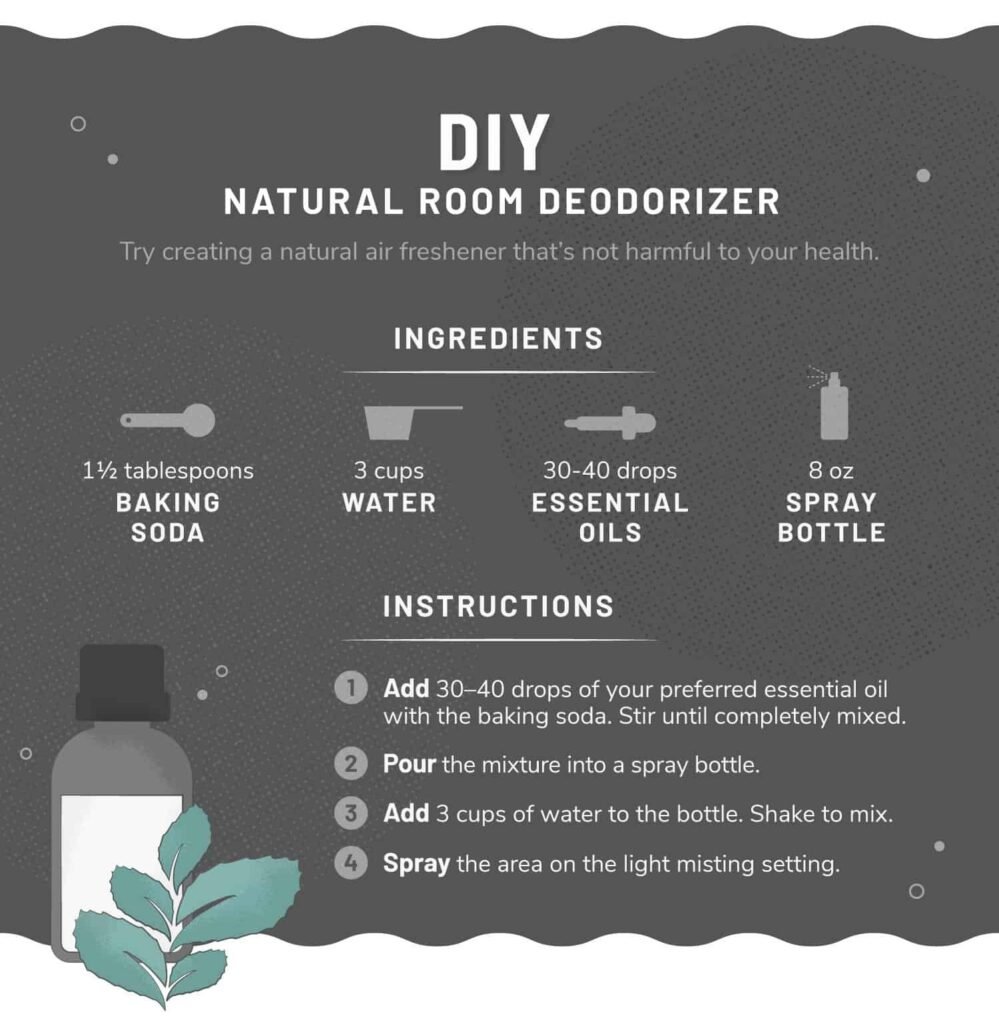
Once the room is clean, you may want a fresh natural scent. Citrus peels, herbs, or a small amount of essential oil can add fragrance, but scent should be the final step rather than the main odor treatment.
A simple stovetop method can use water with lemon peel or herbs. Keep the pot attended, use low heat, and stop if the room becomes too humid. Never leave a heated pot unattended.
Essential oils can also be strong. Use them with care around children, pets, and people who are sensitive to fragrances. Some oils can be harmful to pets, so check pet safety guidance before using them.

- ✦ Lemon peel
A small amount of lemon peel in warm water can provide a light citrus scent after the odor source has been removed.
- ✦ Fresh herbs
Herbs such as rosemary or mint can provide a mild natural aroma when used in a safe, controlled way.
- ✦ Essential oils
Use only a small amount and follow the product directions. Take extra care if children, pets, or fragrance-sensitive people share the home.
- ✦ Natural fragrance bowl
Dry citrus peels and herbs can provide a light scent when placed in a suitable open container.
Natural Does Not Always Mean Risk-Free
Natural ingredients can still cause irritation or other problems. Strong fragrances may bother people with scent sensitivity, and some essential oils are unsafe around certain pets.
Use less scent than you think you need. A room that smells simply clean is often more comfortable than one filled with a strong fragrance.
How to Deodorize Specific Rooms Naturally
Different rooms have different odor sources. A bedroom may need fabric care and airflow, while a kitchen often needs grease and food residue removed. The fastest natural method depends on what is creating the smell.
Use a targeted routine instead of treating the whole home with the same fragrance. This saves time and reduces the need for strong scented products.

- ✦ Bedroom
Wash bedding, air out the room, vacuum floors and upholstery, and check shoes, laundry, and damp fabrics.
- ✦ Kitchen
Remove food waste, clean grease from surfaces, wash dishes, empty the sink area, and improve ventilation while cooking.
- ✦ Bathroom
Keep surfaces dry, wash towels and bath mats, clean drains and fixtures as needed, and improve ventilation.
- ✦ Living room
Vacuum rugs and furniture, wash washable throws, clean hard surfaces, and check for pet or smoke odors.
- ✦ Basement
Focus on moisture control, airflow, damp materials, and possible leaks rather than masking the smell.
How to Deodorize a Bedroom Naturally
Start with bedding and laundry. Wash sheets, remove worn clothes from the floor, and let the mattress and room air when practical.
Then vacuum the floor and soft furniture. If the room still smells stale, check shoes, closets, rugs, and areas where air does not move well.
How to Deodorize a Kitchen Naturally
Kitchen odors often come from food residue and grease. Clean the stovetop, counters, sink, trash can, and nearby surfaces instead of relying on fragrance.
Ventilation also matters. Use the range hood when cooking and let the room air out when outdoor conditions are suitable.
Natural Deodorizing Mistakes to Avoid
Good odor control is less about using more products and more about using the right method. Several common shortcuts can make a room smell better for a short time while leaving the real problem untouched.
Avoid combining many cleaners or fragrances. More scent does not mean better odor control, and some cleaner combinations can release harmful fumes.
- ✦ Do not cover every smell with fragrance
Strong fragrance can hide an odor without removing its source. Find and clean the source first.
- ✦ Do not mix household cleaners
Never mix bleach with vinegar, ammonia, or other incompatible cleaners. Use one product at a time and follow its label.
- ✦ Do not ignore moisture
A recurring musty smell may signal a moisture problem. Drying the room and fixing the source matters more than adding scent.
- ✦ Do not overuse powders
Powders such as baking soda should not be allowed to become airborne. Apply them carefully and vacuum them thoroughly.
- ✦ Do not use unsafe heat methods
Never leave candles, simmering pots, or other heat sources unattended while trying to make a room smell fresh.
How to Keep a Room Smelling Fresh Naturally
The easiest way to avoid strong room odors is to prevent them from building up. Small daily habits can work better than occasional deep deodorizing.
Keep trash under control, wash fabrics on a regular schedule, clean spills quickly, and keep damp items from sitting in piles. Regular vacuuming also removes dust and particles that can hold odors.
For many homes, the best answer to how to deodorize a room naturally is not one special ingredient. It is a simple routine that keeps the room clean, dry, and well aired out.
- ✦ Air rooms regularly
Use suitable ventilation to reduce stale air and help control everyday household smells.
- ✦ Clean spills quickly
Food and drink spills can become strong odor sources when they sit on carpets, furniture, or floors.
- ✦ Wash soft fabrics
Keep bedding, towels, curtains, rugs, and pet fabrics clean and fully dry.
- ✦ Keep moisture under control
Fix leaks, dry wet areas, and use suitable ventilation or dehumidification when needed.
- ✦ Empty trash often
Do not let food waste sit for long periods, especially in warm indoor spaces.
A Simple Weekly Fresh-Room Routine
Once a week, check the room for trash, damp fabrics, old food, and clutter that blocks airflow. Vacuum floors and soft furniture, wash the fabrics that need it, and wipe dusty hard surfaces.
If the room still smells stale, use a mild natural odor absorber. Save natural fragrance for the final step, and use only enough to make the room comfortable.